

So, What Exactly Is Paneer?
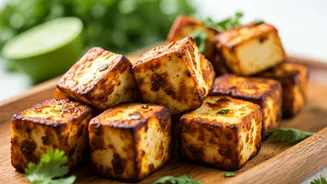
Think of paneer as India’s answer to firm tofu, but make it dairy. It’s a fresh, unaged cheese made by curdling hot milk with a food acid like lemon juice or vinegar. The resulting curds are strained and pressed into a solid block, creating a product
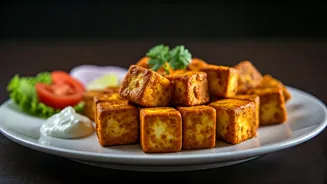
that’s firm, dense, and wonderfully spongy. Unlike most cheeses, paneer doesn't melt when heated. Instead, it holds its shape, making it perfect for cubing and adding to curries, skewering for the grill, or pan-frying until golden brown. Its flavor is mild, milky, and slightly sweet, which makes it a perfect canvas. It doesn’t overpower a dish; it absorbs the flavors of the spices and sauces it’s cooked in, becoming a tender, satisfying bite that provides texture and substance.
The Protein-Packed Powerhouse
The headline isn't exaggerating. For a cheese, paneer is a nutritional heavyweight, especially in the protein department. A 100-gram serving (about 3.5 ounces) can pack anywhere from 18 to 25 grams of protein, depending on whether it’s made from whole or low-fat milk. That’s comparable to the protein found in three large eggs or a similar serving of Greek yogurt. This makes it an invaluable resource in a country with a large vegetarian population and a cornerstone for anyone in the U.S. looking to build a satisfying, meat-free meal. Beyond protein, paneer is also a rich source of calcium, which is vital for bone health, and contains healthy fats that contribute to its satisfying, hearty quality. It’s the kind of ingredient that leaves you feeling full and energized, not weighed down.
The Undisputed Star of the Indian Kitchen
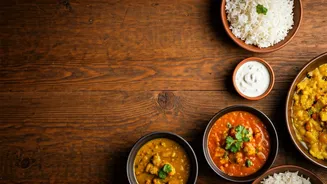
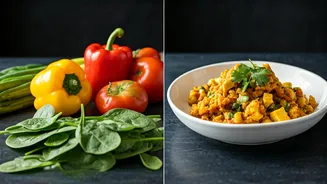
You can’t talk about vegetarian Indian food without celebrating paneer. It’s the star of countless iconic dishes. In Palak Paneer, cubes of the cheese are simmered in a creamy, vibrant spinach curry. For Paneer Tikka Masala, the cheese is marinated in yogurt and spices, grilled or pan-fried to get a smoky char, and then bathed in a rich, tangy tomato sauce. In Matar Paneer, it’s paired with sweet green peas in a lighter, tomato-based gravy. Its versatility is its greatest strength. It can be crumbled into flatbreads (paneer paratha), scrambled with spices like eggs (paneer bhurji), or even breaded and fried for an irresistible appetizer. Its ability to be grilled, fried, or simmered without falling apart makes it the most adaptable protein in the vegetarian arsenal.
Paneer vs. Tofu: The Showdown
For many Americans, the default vegetarian protein block is tofu. So how does paneer stack up? While both are mild-flavored, firm, and excellent at absorbing marinades, they have key differences. Tofu is made from soybeans and is entirely plant-based, while paneer is a dairy product. This gives paneer a richer, creamier mouthfeel and a higher fat content, making it feel more decadent. Texturally, paneer is firmer and more 'squeaky' or chewy, whereas tofu is smoother and softer, even in its 'extra-firm' state. Tofu can sometimes crumble if not handled carefully, but paneer’s dense, sturdy structure makes it almost foolproof for high-heat cooking like grilling and searing. You don’t need to press paneer to remove excess water, which simplifies prep time. Choosing between them often comes down to the desired texture and dietary preference—creamy and rich (paneer) versus silky and lean (tofu).