





More Than Just a Garden
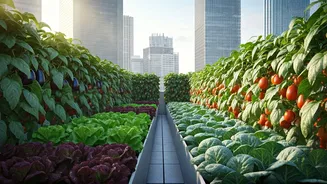
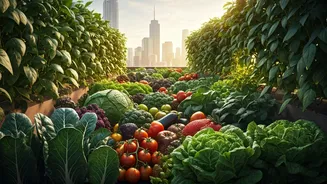
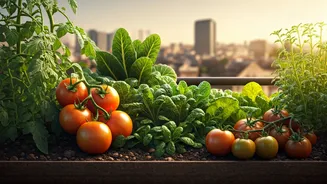
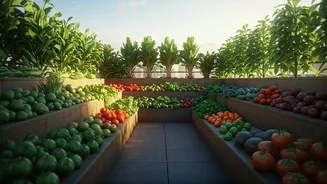
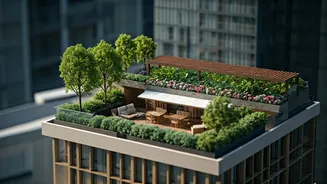
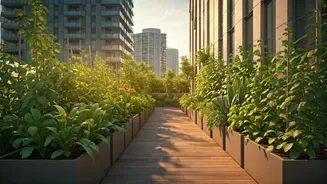
Forget the lonely pot of basil on a windowsill. The new wave of residential rooftop farms are meticulously planned, professionally managed agricultural spaces. In cities from New York to San Francisco, developers are partnering with urban farming companies
like Brooklyn Grange or Green City Growers to transform unused roof space into productive oases. These aren't just patches of dirt; they are programmed environments. Residents might participate in planting days, attend workshops on pickling and preserving, or simply enjoy hyper-local produce delivered to their door or used in building-hosted, farm-to-table dinners. The garden becomes a living, breathing extension of the building’s social life—a shared project that yields tangible, and delicious, results. It’s an amenity that asks residents to participate rather than just consume, and in doing so, it changes the social dynamic of the entire building.
The New Currency of Luxury
For decades, the pinnacle of luxury amenities was a state-of-the-art gym or a sparkling rooftop pool. While those are still common, the definition of luxury is evolving. Today’s affluent buyers, particularly millennials and Gen Z, increasingly prioritize wellness, sustainability, and authentic experiences. A rooftop farm speaks directly to these values. It signals a commitment to green living and offers a tangible connection to nature—a rare commodity in dense urban environments. For developers, it’s a powerful differentiator in a competitive market. It provides a compelling visual, a unique story to tell, and an answer to the growing problem of urban isolation. An infinity pool is for looking at; a community garden is for living in. This shift represents a deeper understanding that true luxury isn't just about private comfort, but about enriched, connected living.
Cultivating Social Connections
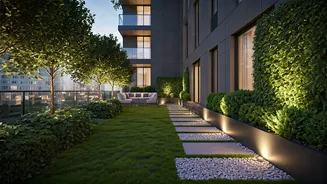
The true magic of the rooftop garden lies in its ability to dissolve the invisible walls that so often exist between neighbors in a high-rise. An elevator ride is an exercise in polite avoidance, but working side-by-side to weed a row of tomatoes creates an entirely different kind of interaction. Sociologists call these “third spaces”—places outside of home and work where informal community life unfolds. The rooftop garden becomes the ultimate third space, right upstairs. It facilitates casual, low-stakes encounters that build familiarity and trust. A conversation about the best way to stake a tomato plant can easily lead to a shared glass of wine, a playdate for the kids, or an offer to pet-sit. These gardens provide a common ground, a shared purpose that transcends differences in profession or background, allowing authentic relationships to blossom.
An Idea for Everyone?
While the most elaborate examples are found in “elite housing,” the principle behind them is universal. The success of these high-end gardens validates what community organizers have known for decades: shared green spaces build stronger neighborhoods. The lessons from these luxury projects can inform public and non-profit initiatives alike. The key ingredients—shared ownership, programmed activities, and a dedicated space for informal gathering—are not exclusive to high-rises with million-dollar views. As cities grapple with social fragmentation and a desire for more sustainable food systems, the humble vegetable patch, whether on a luxury rooftop or in a vacant neighborhood lot, offers a powerful model. It reminds us that sometimes, the best way to build a community is to give people a reason to get their hands dirty together.