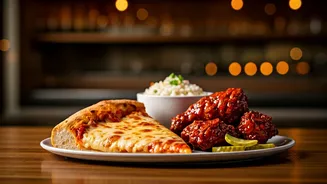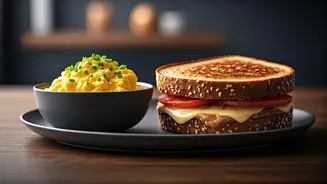





From Greasy Spoons to Gourmet Shots
Think back to the classic on-screen meal. It was often an agent of chaos. It was the frantic, overcooked Thanksgiving turkey sliding onto the floor in *Christmas Vacation*. It was the massive food fight in *Animal House*. In sitcoms, it was the comically
large sandwich or the burnt casserole used for a quick laugh. On reality TV, it was the plate of unidentifiable bugs a contestant had to eat or the wine thrown during a heated dinner on *The Real Housewives*. For a long time, food in film and television was defined by its relationship to conflict or comedy—it was messy, excessive, or a source of slapstick drama. The focus was on the human reaction to the food, not the food itself. It was functional, serving the plot in the most direct way possible, often by creating a mess that characters had to navigate.
When Food Became the Main Character
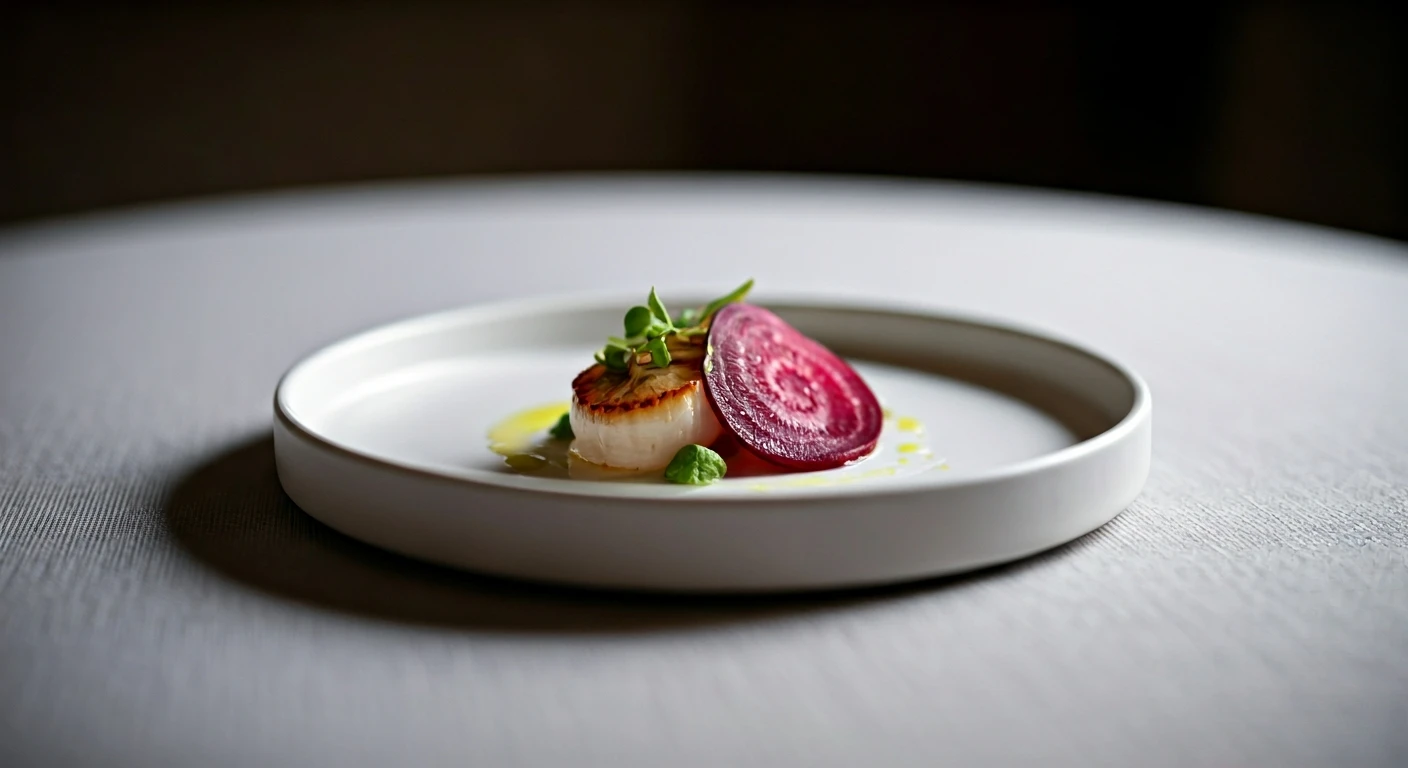
The shift began subtly, then all at once. Suddenly, food wasn't just in the background; it was the entire point. Shows like FX's *The Bear* are the new gold standard. Every shot of Carmy carefully tweezing microgreens onto a dish or Sydney perfecting the acidity in a sauce isn't just filler—it’s narrative. The discipline, artistry, and stress of the kitchen are central to the characters' emotional journeys. The perfect family meal isn't a chaotic mess; it's a tender, lovingly crafted braciole that carries generations of history in its recipe. This isn't just about making food look good; it's about using food to tell a story about ambition, grief, creativity, and connection. Other shows, from the opulent, terrifying culinary creations in *Hannibal* to the documentary-style reverence of *Chef's Table*, have taught audiences to see food as a form of high art and a powerful storytelling device.
The Food Stylist as Auteur
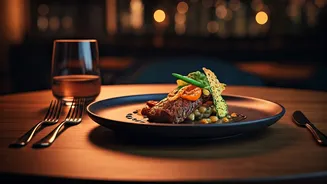
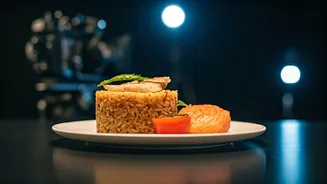
This evolution couldn’t have happened without the rise of the food stylist as a key creative force on set. It's no longer about just making a burger look edible under hot studio lights. Today’s food stylists are artists and collaborators who work closely with directors and production designers to ensure every crumb and drizzle serves the story. With the advent of high-definition and 4K cameras, every detail is visible, turning a simple plate into a microscopic landscape. This technical shift demanded a higher level of artistry. Stylists now consider the color palette of a scene, the emotional state of a character, and the symbolic meaning of an ingredient. Is the meal supposed to convey comfort, intimidation, aspiration, or despair? The answer determines not just what's on the plate, but how it’s cooked, cut, and arranged. They are the unseen hands making the food as compelling as the actors.
A Mirror to Our Own Feeds
This on-screen transformation is also a reflection of a massive cultural shift happening off-screen. We live in the age of the foodie. Thanks to social media platforms like Instagram and TikTok, we’ve all become amateur food photographers and critics. We don’t just eat our brunch; we curate it, light it, and post it. A perfectly composed latte art or a glistening ramen bowl can go viral, turning chefs into celebrities and restaurants into destinations. This constant exposure to beautiful, highly stylized food has trained our eyes. Audiences now have a sophisticated visual palate; we expect and appreciate the artistry of a well-made dish because we’re trying to create it in our own lives. When a show like *The Bear* dedicates a full minute to the cross-section of a gourmet donut, it's speaking a visual language its audience already understands and values.