
The New Definition of 'Hearty'
For generations, 'hearty' was a synonym for heavy. Think pot roast, dense casseroles, or anything swimming in a cream-of-mushroom-soup-based sauce. These meals were designed to fill you up, often after a day of manual labor that most of us no longer do.
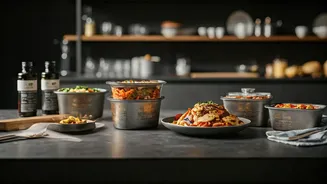
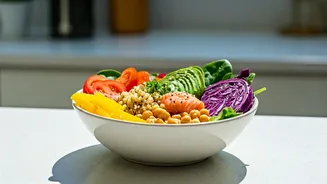
Today, the definition of a satisfying meal is changing. It's less about sheer density and more about a complex interplay of textures and flavors. A grain bowl packed with roasted sweet potatoes, crunchy chickpeas, fresh kale, and a tangy tahini dressing can be profoundly more satisfying—and energizing—than a meal that leaves you feeling sleepy and overstuffed. We're learning that feeling good *after* a meal is just as important as how it tastes during.
It’s Not Diet Food, It’s Flavor-Forward
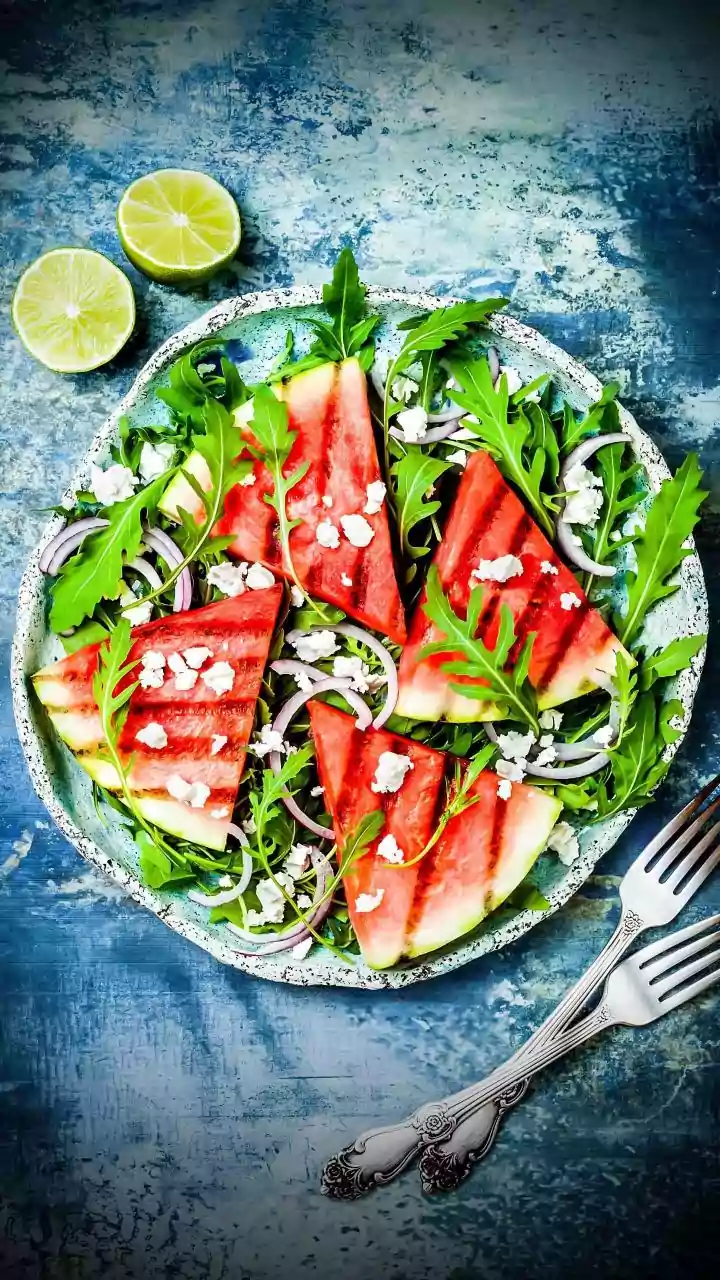
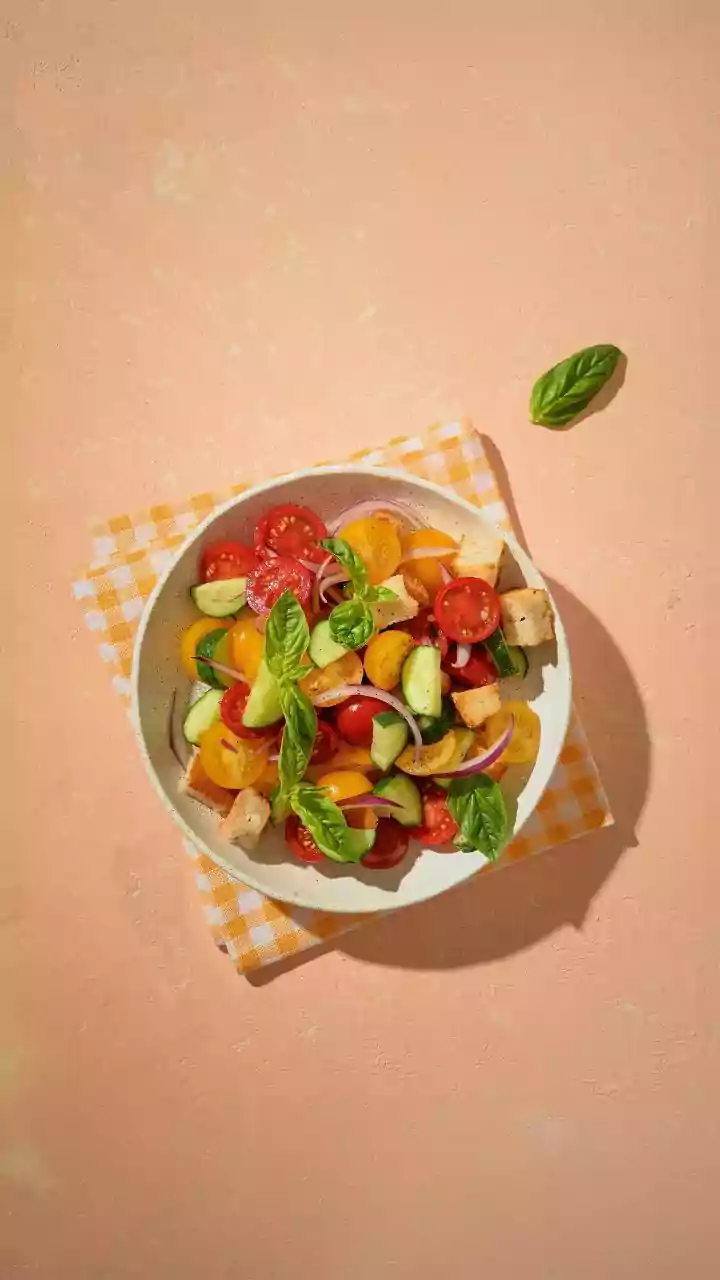
Let's be clear: this shift isn't about a nationwide diet. 'Light' in this context doesn't mean low-calorie or flavorless. In fact, it’s the opposite. This new wave of home cooking is intensely flavor-forward. Instead of relying on fat and heavy starches for taste, the modern light recipe builds flavor through other means. A squeeze of lemon or a splash of vinegar can brighten an entire dish. A handful of fresh herbs like cilantro, parsley, or basil adds a vibrant, aromatic punch. Spices—from the warmth of cumin and coriander to the smoky heat of paprika—create depth without adding weight. This approach, often seen in Mediterranean, Southeast Asian, and modern Californian cuisines, prioritizes fresh produce and lets the ingredients shine.
The Speed and Convenience Factor
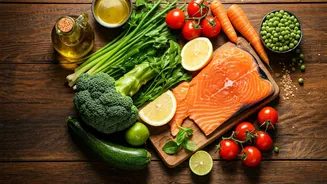
Heavy meals are often a commitment. A pot roast needs hours. A multi-layered lasagna is a project. In our time-crunched reality, lighter cooking is often simply faster cooking. Sautéing, roasting vegetables, and grilling fish are all techniques that deliver a delicious meal in under 30 minutes. The prep is simpler, too. There’s less simmering, less reducing, and fewer long-term relationships with your oven. A pan-seared piece of salmon with a quick cucumber-dill salad is a perfect example. It's elegant, delicious, and can be on the table faster than a delivery pizza. This efficiency makes cooking at home more approachable on a Tuesday night, not just a Sunday afternoon.
Wellness Culture Enters the Kitchen
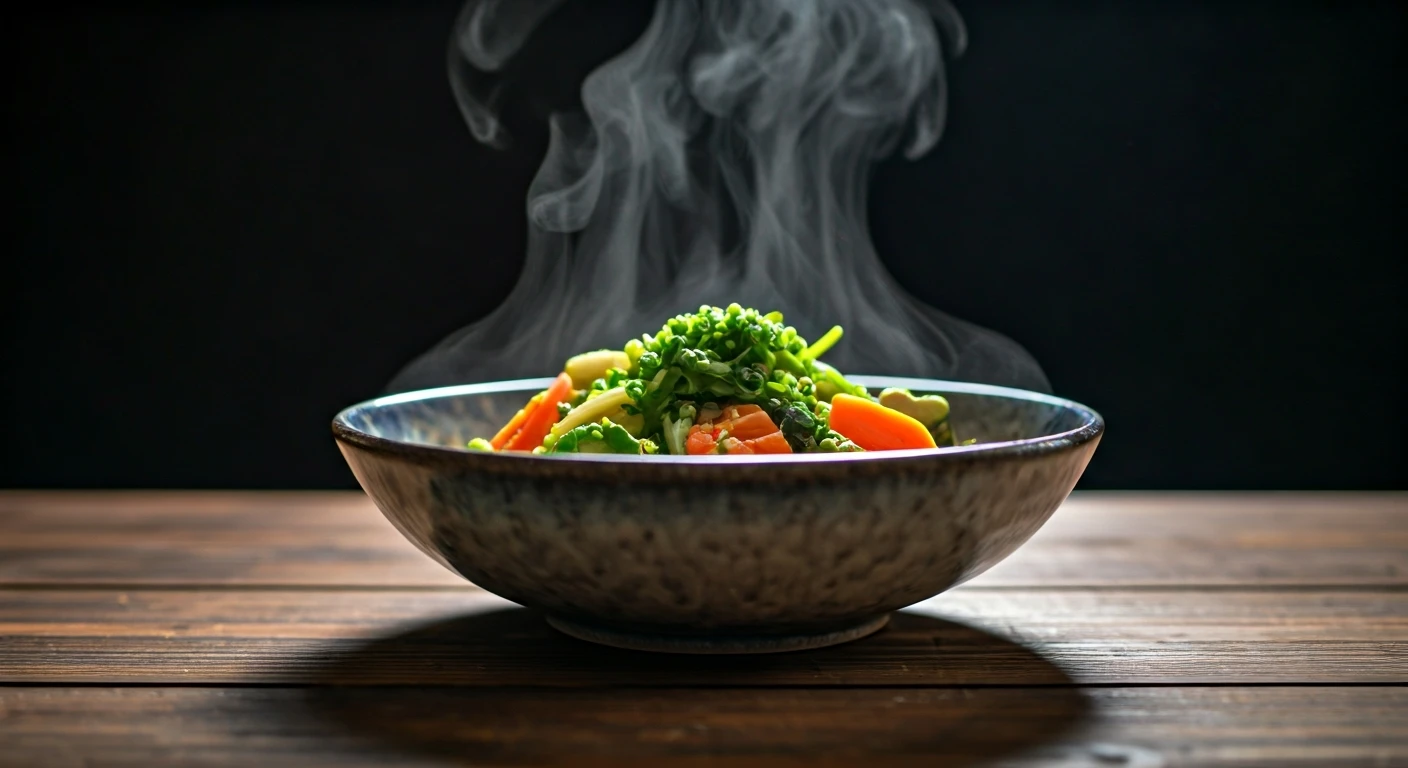
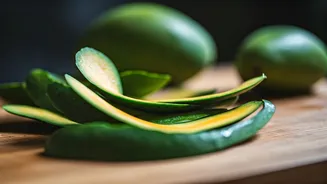
The broader cultural shift toward wellness has officially made its way to the dinner table. We’re more informed than ever about the connection between food and overall health—from gut health to mental clarity. This isn't about obsessive calorie counting but a general awareness of what makes our bodies feel and function best. Heavy, highly processed meals can contribute to inflammation and energy slumps. Lighter, nutrient-dense foods do the opposite. Home cooks are increasingly seeking recipes that not only taste good but also support their well-being. They're stocking their pantries with whole grains like quinoa and farro, cooking with healthy fats like olive oil and avocado, and making vegetables the star of the plate, not a reluctant afterthought.
How to Make the 'Light' Shift
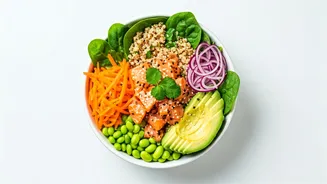
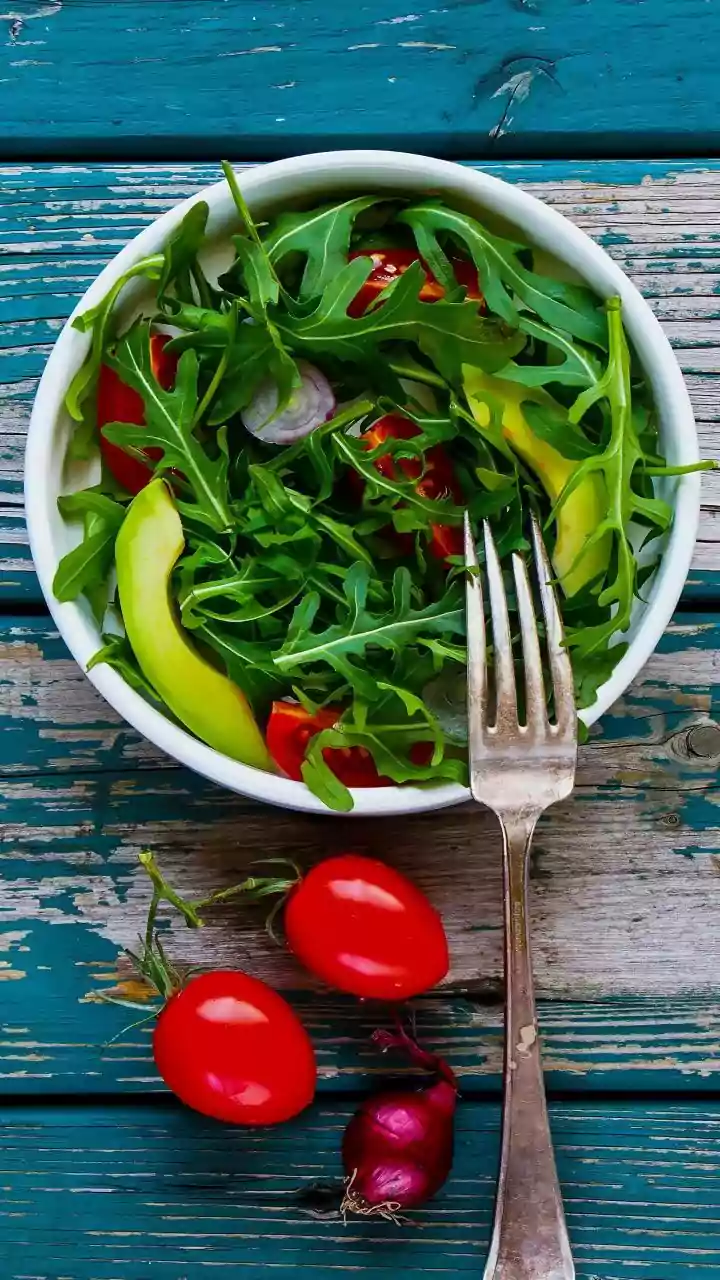
Pivoting your cooking style doesn't require a complete overhaul. Start small. Instead of a heavy cream sauce for your pasta, try a simple dressing of good olive oil, garlic, chili flakes, and a squeeze of lemon. When you make a soup, leave out the heavy cream and finish it with a swirl of plain yogurt and fresh herbs. Make 'big salads' for dinner, loading them up with protein (grilled chicken, chickpeas, hard-boiled eggs) and interesting textures (toasted nuts, seeds). The most powerful tool in your light-cooking arsenal? Acidity. A little bit of citrus or vinegar at the end of the cooking process can wake up an entire dish, making it taste brighter and more complex without adding a single gram of fat.