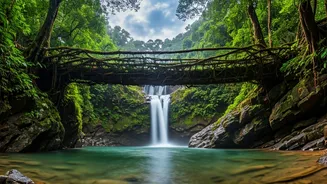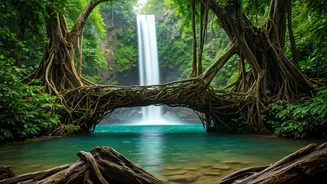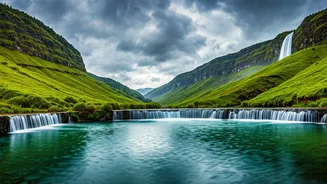


Why This Corner of India Is a Waterfall Paradise
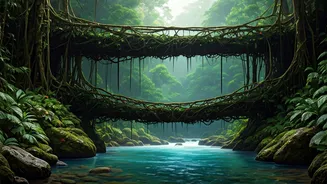
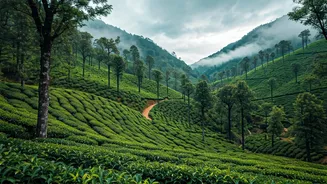
Tucked away in northeastern India, Meghalaya is a state unlike any other. Its name translates to “abode of clouds” in Sanskrit, a fitting title for a region dominated by rolling hills, dense subtropical forests, and an astonishing amount of rainfall.
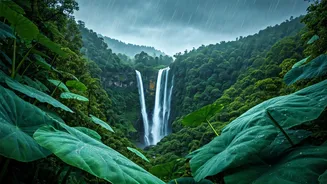
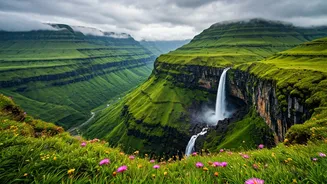
The town of Cherrapunji (now officially Sohra) was once the wettest place on Earth, a title it often trades with nearby Mawsynram. This constant moisture carves the limestone and sandstone plateau into a dramatic landscape of deep gorges and steep cliffs, creating the perfect conditions for waterfalls. During the monsoon season, typically from June to October, this entire region transforms. What are mere trickles in the dry season become thundering torrents, and new, ephemeral falls appear on almost every cliff face, turning a drive through the state into a mesmerizing spectacle.
The Must-See Falls at Full Power
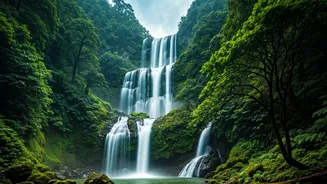
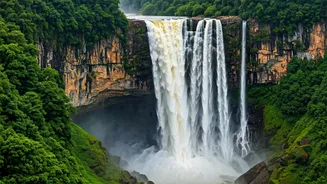
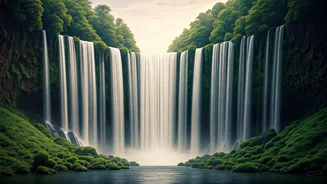
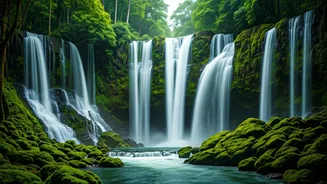
While you can’t go wrong with any waterfall here, a few standouts define the Meghalaya experience. Start with Nohkalikai Falls, India's tallest plunge waterfall. During the monsoon, it’s not just a stream but a massive, deafening column of water crashing over 1,100 feet into a turquoise pool below. Its power is palpable, and its backstory, a tragic local legend, adds to its mystique. Next, head to the Seven Sisters Falls (Nohsngithiang Falls). This seven-segmented cascade streams over the limestone cliffs of a wide gorge. At peak volume, the seven streams merge into a single, formidable curtain of water, best viewed from the opposite side of the valley. For a different kind of magic, seek out the three-tiered Wei Sawdong Falls. Reaching it requires a short but steep trek down bamboo ladders, but the reward is a surreal, terraced cascade of aquamarine water that feels like a hidden world.
When to Go and What to Expect
The phrase “peak volume” points directly to the monsoon season (June to September). This is when you'll witness the falls in their most ferocious and magnificent state. The clouds hang low, mist is everywhere, and the landscape is a brilliant, saturated green. However, travel during this time requires patience. Rain is a constant, roads can be slippery, and fog can reduce visibility. If you want a slightly more comfortable experience, consider the “shoulder season” from late September to November. The monsoon rains are subsiding, but the waterfalls are still impressively full. The skies are clearer, offering better views and making trekking more manageable.
Getting There and Getting Around
For U.S. travelers, the journey is part of the adventure. The main gateway to Meghalaya is Lokpriya Gopinath Bordoloi International Airport (GAU) in Guwahati, Assam, which is well-connected to major Indian hubs like Delhi and Mumbai. From Guwahati, it’s a scenic but winding 3-4 hour drive to Shillong, the capital of Meghalaya. Shillong serves as the perfect base for exploring the region. While you can take shared taxis or buses, the most efficient and flexible way to see the waterfalls is by hiring a local driver and car for a few days. They know the roads intimately, understand the best times to visit specific viewpoints, and can often point you to hidden gems not found in every guidebook. Negotiate a daily rate upfront, which typically includes the driver, car, and fuel.
Essential Packing and Safety Tips
Packing for a Meghalayan monsoon is all about one word: waterproof. A high-quality rain jacket and rain pants are non-negotiable. Bring a waterproof cover for your backpack and a dry bag for electronics. Footwear is critical; choose sturdy, non-slip hiking shoes with excellent grip, as trails and steps near the falls become extremely slippery. An umbrella is useful for city strolling, but less so on windy viewpoints. When visiting the falls, always respect safety railings and warnings. The ground can be unstable, and the force of the water is immense. Don’t risk a photo by getting too close to the edge. Finally, embrace the damp. Things will get wet, but with the right gear, you can stay comfortable while witnessing one of nature's most spectacular shows.