




The Old Guard: Aesthetics Above All
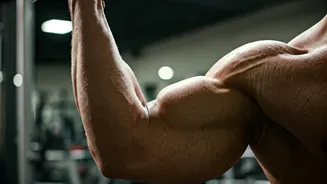
Remember the fitness culture of the 90s and 2000s? It was a world dominated by before-and-after photos, six-pack abs, and the elusive “thigh gap.” Workouts were often framed as punishment for what you ate, with hours of cardio seen as the primary tool
for “burning off” calories. The goal was, overwhelmingly, cosmetic. Success was measured in inches lost and pounds dropped. Magazine covers and advertisements presented a narrow, often unattainable, physical ideal. This approach tied exercise directly to appearance and body weight, creating a cycle where motivation was high before a vacation but often vanished once the aesthetic goal was met—or, more commonly, when frustration set in.
The New Focus: Performance and Longevity
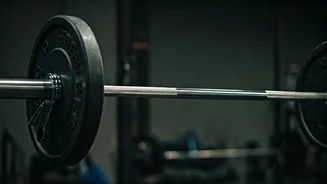
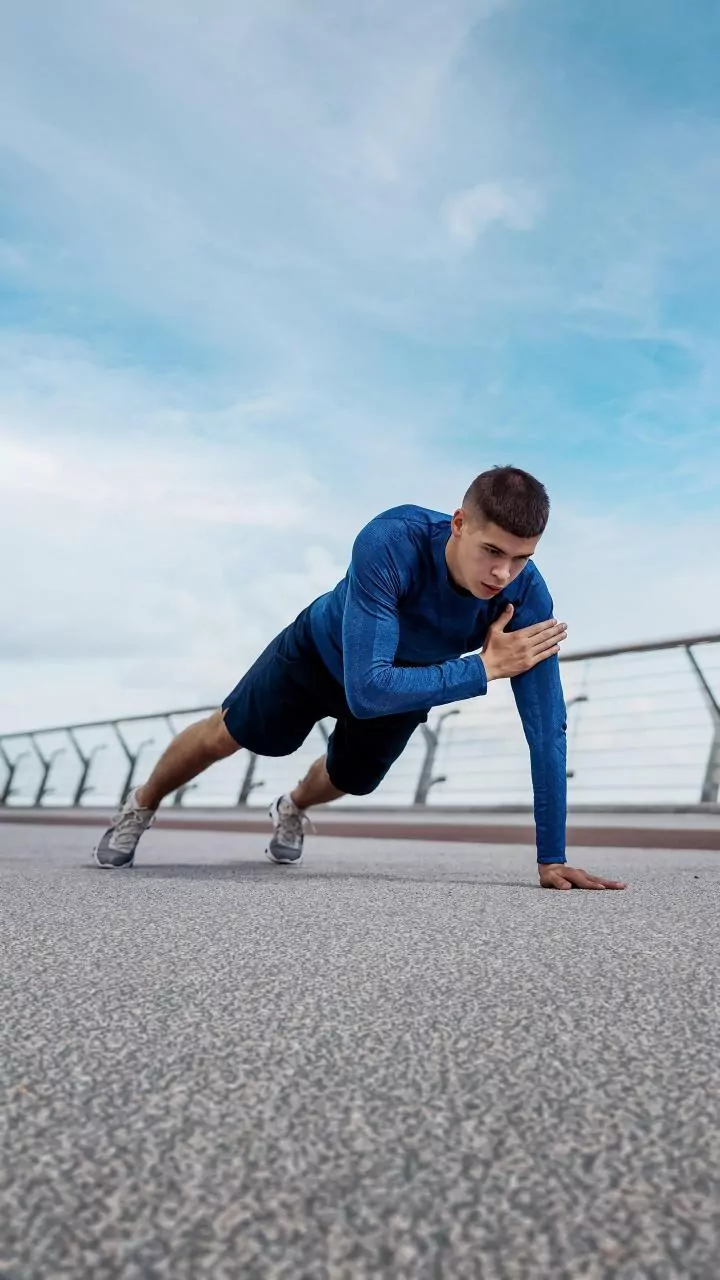
Today, a new and far more empowering philosophy is taking hold. For a growing number of people, the primary goal of fitness is no longer about how the body looks, but what it can do. The conversation has pivoted from aesthetics to ability. People are lifting weights not to get “toned” but to feel strong enough to carry their groceries, lift their kids, or move furniture without help. They’re practicing yoga and mobility exercises not just to be flexible, but to be able to sit on the floor and play with their grandchildren in 30 years. This new mindset frames fitness as a tool for enhancing life. The key metrics have become performance-based and feeling-based: Can you run a faster mile? Do you have more energy during the day? Does movement reduce your anxiety? It’s a shift from wanting to be smaller to wanting to be more capable.
What's Driving the Change?
This isn't a random change; several cultural currents are feeding it. The body positivity and body neutrality movements have powerfully challenged the idea that only one type of body is healthy or beautiful. At the same time, social media, once a hotbed of toxic comparisons, has also given rise to a new generation of trainers and influencers who champion strength, skill, and intuitive movement over restrictive diets and punishing routines. Furthermore, the global pandemic served as a profound wake-up call. Faced with a health crisis, many people began to prioritize genuine well-being and resilience over surface-level appearance. The focus shifted to building a strong immune system, managing stress, and developing a body that felt robust and dependable. The goal became less about looking good on the beach and more about being healthy enough to navigate an uncertain world.
How to Redefine Your Own Goals
If this new approach resonates with you, making the switch is about asking different questions. Instead of starting with “How much weight do I want to lose?” try asking yourself:
* What activities do I want to do without pain or limitation? * How do I want to feel when I wake up in the morning? * What physical skills would make my daily life easier or more enjoyable? * What kind of physical health do I want to have in 10, 20, or 30 years?
Answering these questions can help you find a “why” that’s deeply personal and sustainable. Your goal might be to hike a challenging trail, keep up with your dog at the park, or simply have the energy to pursue your hobbies after work. When your motivation is tied to improving your quality of life, exercise transforms from a chore into an act of self-care.