

Verifying Your Extra-Virgin Olive Oil
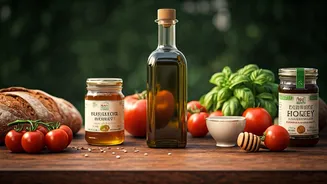
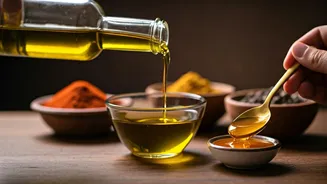
The world of extra-virgin olive oil (EVOO) is notoriously plagued by fraud, with expensive bottles sometimes diluted with cheaper oils like canola or sunflower. While you can't run a full chemical analysis at home, you can train your palate to spot the
difference. A true EVOO should have a distinct, fresh flavor profile—often described as grassy, peppery, or even bitter. Pour a small amount into a glass, warm it with your hands, and inhale deeply. It should smell fresh, not greasy or stale. Then, take a sip. A good quality olive oil will often create a pungent, peppery sensation in the back of your throat, which is a sign of healthy polyphenols. The persistent myth of putting oil in the fridge to see if it solidifies is unreliable, as many types of oil will become cloudy when chilled. Your best tools are taste and smell, combined with buying from reputable producers with clear harvest dates on the bottle.
Spotting Adulterated Honey
That golden jar of honey might contain more than just nectar. It's one of the most commonly faked foods, often bulked up with cheap high-fructose corn syrup, rice syrup, or beet syrup. Pure honey has a complex floral scent and flavor that syrups lack. One of the simplest at-home methods is the water test. Drop a spoonful of honey into a glass of water. Real, dense honey will sink to the bottom in a cohesive lump. Adulterated, syrup-laden honey will often start dissolving and diffusing into the water almost immediately. Another clue is crystallization. While many people think crystallization is a flaw, it's actually a hallmark of raw, natural honey. If a honey has been 'laundered' with syrups or ultra-filtered, it's less likely to crystallize. So, don't fear the graininess—it’s often a sign of authenticity.
Checking Spices for Fillers and Freshness
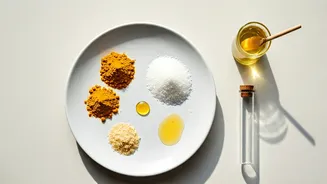
Your spice rack is another area where quality can vary wildly. Ground spices, in particular, can be cut with inexpensive fillers like flour, salt, or even sawdust to increase profits. For spices like paprika or chili powder, a common adulterant is brick dust to enhance the color. A simple test is to sprinkle a pinch of the spice onto the surface of a glass of water. Pure spices will often float or dissolve slowly, coloring the water gradually. Fillers and dyes tend to separate and sink more quickly, sometimes leaving a trail of artificial color. Beyond purity, the most practical check is for freshness. Crush a small amount of the spice between your fingers. A potent, vibrant aroma indicates fresh, high-quality spice. If the scent is faint, dusty, or non-existent, the spice has lost its essential oils and won't add much flavor to your cooking.
Gauging Produce Freshness and Safety
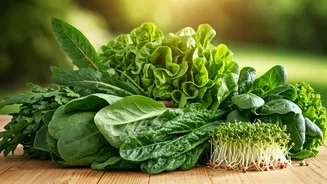
We all know to avoid wilted lettuce, but understanding produce goes deeper. The best check for freshness is often by weight and smell. A ripe melon, citrus fruit, or tomato should feel heavy for its size, indicating high water content. Many fruits will have a distinct, sweet aroma at the stem end when they are perfectly ripe. When it comes to safety, especially regarding pesticides on non-organic produce, a thorough wash is your best first line of defense. Soaking produce in a solution of water and baking soda (about one teaspoon per two cups of water) for 12-15 minutes has been shown to be more effective at removing certain surface pesticide residues than rinsing with tap water alone. Afterward, rinse thoroughly. This practical step doesn't require any special gadgets and can significantly reduce your exposure to surface chemicals.
The Rise of Kitchen Tech
For those willing to invest, a new generation of consumer gadgets promises to take the guesswork out of food purity. Handheld devices are emerging that claim to detect everything from gluten in a restaurant dish to pesticide levels on an apple. While promising, the technology is still in its early stages for home use. The accuracy can be inconsistent, and the cost is often prohibitive for the average household. For now, these tools are more of a glimpse into the future of the 'quantified kitchen' than a practical everyday solution. Until they become more reliable and affordable, your own senses—taste, smell, sight, and touch—remain the most practical and accessible tools for ensuring the quality and purity of your food.