

An Overdose for the Senses
Imagine walking into a space where the air itself is thick with the sweet, intoxicating perfume of ripe mangoes. This is the Delhi International Mango Festival, an annual event typically held at Dilli Haat, a sprawling outdoor market designed to feel
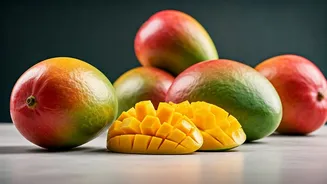
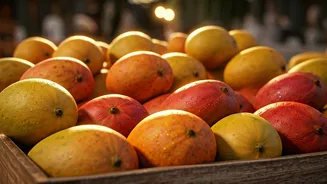
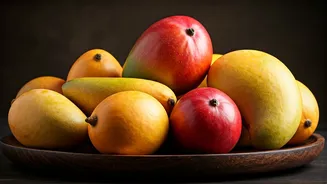
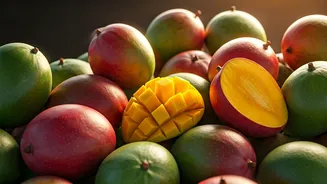
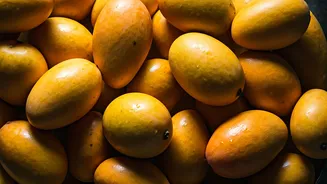
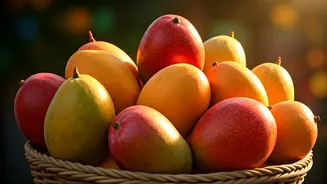
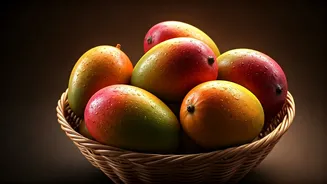
like a traditional village bazaar. Forget the minimalist aesthetic of your local coffee shop; this is a maximalist explosion of color and scent. Tables groan under the weight of hundreds of varieties of mangoes, a spectacle of gold, crimson, and every shade of green. There’s the world-famous Alphonso, with its buttery flesh and floral notes; the greenish, fiberless Langra, intensely sweet and tangy; the slender, fragrant Dasheri; and the late-season Chausa, so syrupy you’d think it was pure sugar. Farmers and growers from across India converge here to showcase their prized harvest, creating a living museum of the country's most beloved fruit.
More Than Just a Fruit
For an American, the obsession might seem puzzling. A mango is a mango, right? In India, it’s so much more. The mango is the undisputed king of fruits, a cultural icon woven into the fabric of summer itself. Its arrival signals the end of the school year, the promise of holidays, and a sweet, sticky respite from the oppressive heat. Every family has their preferred variety, their specific way of cutting and eating it, and their nostalgic childhood stories tied to climbing mango trees. The festival isn’t just a market; it’s a tribute to this shared cultural touchstone. It’s a place where grandparents teach their grandchildren to identify different types by smell alone and where heated, friendly debates break out over which state grows the superior fruit. It’s a celebration of agricultural heritage and regional pride, all disguised as a fruit festival.
The Joy of Competition
The festival is also about pure, unadulterated fun. While some visitors are serious connoisseurs, carefully selecting boxes of mangoes to take home, others are there for the spectacle. The highlight for many is the mango-eating competition. Forget dainty bites; this is a messy, hilarious, and surprisingly fierce contest to see who can devour the most mangoes in a set time. Juice runs down chins and elbows as participants abandon all pretense of etiquette in their quest for glory. Beyond the eating contests, you’ll find mango-themed quizzes, slogan-writing competitions, and intricate fruit-carving demonstrations where chefs transform mangoes into delicate flowers and exotic birds. It’s interactive and joyful, encouraging participation over passive observation.
Beyond the Perfect Slice
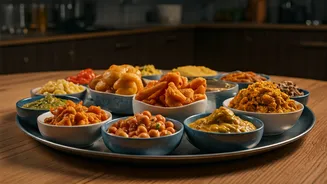
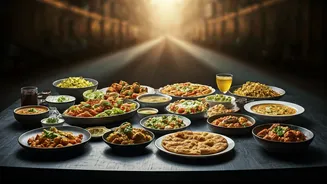
While sampling perfectly ripe, unadorned mangoes is the main event, the festival showcases the fruit's incredible versatility. Food stalls offer an entire universe of mango-based creations. You can cool down with a glass of *aam panna*, a tangy, savory drink made from raw green mangoes and spices, or indulge in a scoop of rich, creamy mango *kulfi* (a traditional Indian ice cream). You’ll find jars of chutneys, pickles (*achar*), and jams, each with a unique family recipe. There are mango pies, mango tarts, mango smoothies, and even savory dishes like mango-infused curries. It’s a culinary masterclass in how one ingredient can be interpreted in dozens of ways, from sweet to savory, refreshing to rich.
Why It Beats the Cafe
And that brings us back to the weekend cafe crawl. A cafe offers comfort, consistency, and Wi-Fi—a predictable experience you can find in any city in the world. The Mango Festival offers the opposite. It’s a hyper-local, deeply cultural, and gloriously chaotic experience. It’s about connection—to the food, to the farmers who grow it, and to the hundreds of other people sharing in a moment of collective, seasonal joy. You won’t find anyone silently typing on a laptop. Instead, you’ll find families laughing, friends bargaining playfully with vendors, and strangers bonding over a shared love for a piece of fruit. It’s a reminder that the most memorable experiences aren’t always the most polished, but the ones that are most alive.