

1. Think Vertically, Not Horizontally
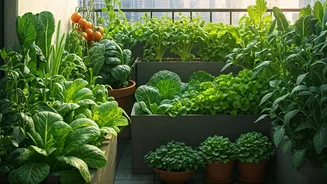
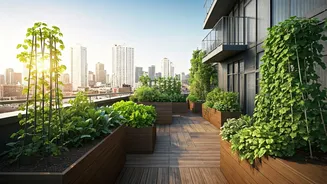
The single biggest mistake in balcony gardening is thinking only about floor space. Your most valuable real estate goes up. Modern balcony gardens thrive on verticality. This means embracing trellises for vining plants like cucumbers, pole beans, and
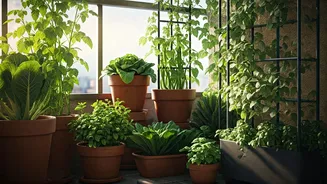
indeterminate tomatoes, which will happily climb towards the sun. Stacking planters are another game-changer, allowing you to grow strawberries, herbs, and lettuces in layers, effectively multiplying your square footage. Wall-mounted pocket planters can turn a bare, sun-facing wall into a living tapestry of fresh greens. By training your eyes to look upward, you unlock a whole new dimension of growing potential that was there all along.
2. Choose High-Yield, Compact Varieties
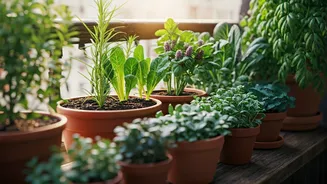
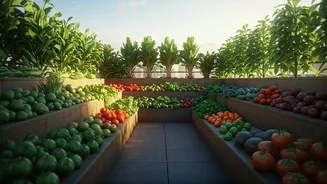
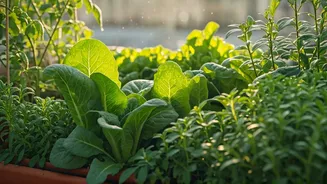
Not all plants are created equal for small spaces. To make your balcony work hard, you need to be a savvy selector. Look for varieties specifically bred for containers, often labeled as 'patio,' 'bush,' or 'dwarf.' A sprawling pumpkin vine is a fantasy, but a compact zucchini plant can be incredibly productive. Prioritize crops that offer a continuous harvest. 'Cut-and-come-again' lettuces, spinach, and kale will provide fresh salads for weeks from a single planting. Herbs like basil, mint, and parsley are the ultimate workhorses, growing more vigorously the more you harvest them. A single cherry tomato plant can yield hundreds of fruits over a season, offering far more value per square inch than a large, single-harvest cabbage.
3. Master the Art of Succession Planting
A truly productive balcony garden is never idle. Succession planting is the practice of staggering your crops to ensure a continuous harvest and to make sure no container sits empty for long. It’s like running a tiny, efficient farm. When your early spring radishes are done, have a bush bean seedling ready to take their place. As your summer basil starts to fade, plant some cool-weather-loving spinach for the fall. This requires a bit of planning but pays off immensely. Keep a simple calendar and start seeds indoors every few weeks for heat-loving plants like basil or fast-growing crops like lettuce. This ensures you always have a 'next in line' ready to go, maximizing your growing season from the first thaw to the first frost.
4. Utilize Every Nook and Railing
A hardworking balcony has no wasted space. Look beyond the main floor area and see the hidden opportunities. Balcony railings are prime real estate for specially designed planters that can hold a surprising number of herbs, flowers, or even trailing strawberries. The space under your benches or tables can house shade-tolerant plants like mint or parsley. Consider hanging baskets for cascading plants like cherry tomatoes or nasturtiums. Even the 'air space' can be used; a simple clothesline-style wire can support lightweight pea vines. This mindset turns your entire balcony, not just the floor, into a potential growing zone, adding layers of both productivity and lush, green beauty.
5. Grow Plants That Do Double Duty
Efficiency is key, and that means choosing plants that offer more than one benefit. This is where edible flowers shine. Nasturtiums, for example, are beautiful trailing plants whose leaves, flowers, and even seed pods are all edible with a peppery kick. They also act as a 'trap crop' for aphids, luring pests away from your precious vegetables. Borage produces stunning blue flowers that are delicious in drinks and attract pollinators to help fruit-bearing plants like tomatoes and cucumbers. Calendula and marigolds add bright pops of color while also being edible and helping to deter nematodes in the soil. By planting these multi-taskers, you create a more resilient, beautiful, and productive ecosystem in one pot.