







The Entire Landscape Turns Emerald Green
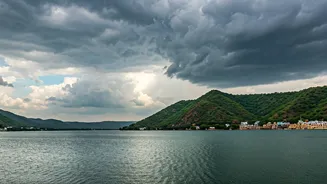
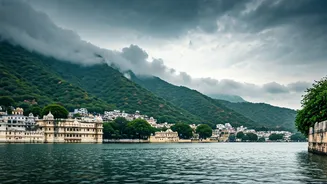
For most of the year, the ancient Aravalli Hills that cradle Udaipur are a study in dusty brown and ochre. They’re majestic but arid. The monsoon changes everything. The first rains awaken the sleeping landscape, blanketing the hills in a vibrant, almost
electric green. The best place to witness this transformation is from the Sajjan Garh Palace, aptly nicknamed the Monsoon Palace. Perched high above the city, it was originally built to watch the storm clouds roll in. From its terraces, you can see the entire valley shift from a parched desert palette to something resembling the Irish countryside, with mist clinging to the newly verdant peaks. It’s a visual feast that redefines what you think a desert state can look like.
The Lakes Are Full and Glorious
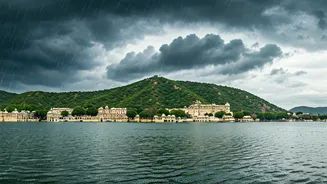
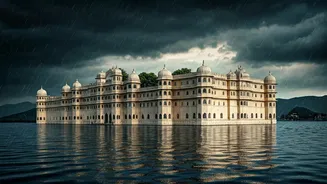
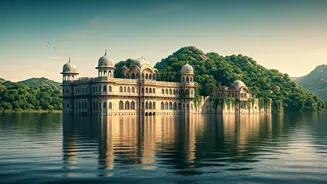
Udaipur is the “City of Lakes,” but during the dry pre-monsoon months, those lakes can recede, leaving exposed shorelines. The monsoon season, however, is when the city truly lives up to its name. Lake Pichola and Fateh Sagar Lake swell with fresh rainwater, their surfaces reflecting the dramatic, cloud-filled skies. This is when a boat ride on Lake Pichola becomes an essential, almost mystical experience. Gliding past the now-gleaming white marble of the Lake Palace (Taj Lake Palace) and Jag Mandir, which seem to float effortlessly on the replenished waters, feels like stepping into a painting. The sound of the boat cutting through the water, combined with the cool, rain-scented air, is a sensory experience far removed from the bustling heat of peak tourist season.
You Escape the Overwhelming Crowds
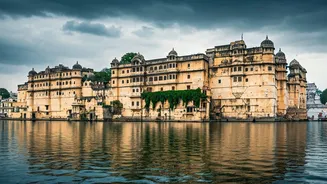
October to March is peak season in Udaipur, and for good reason: the weather is perfect. But that perfection comes with a price—packed palaces, sold-out hotels, and crowded alleyways. Visiting during the monsoon is like having a VIP pass to a more serene version of the city. You can wander through the sprawling City Palace complex without jostling for space, finding quiet corners to admire the intricate architecture. The famous rooftop restaurants are less frantic, allowing you to linger over a cup of chai while watching the rain fall over the lake. This relative quiet allows the city's romantic atmosphere to truly sink in, offering a more personal and intimate connection to the place.
It’s a Paradise for Cozy Foodies
There's a special kind of comfort food culture that emerges across India during the monsoon, and Udaipur is no exception. The cooler, damp weather is the perfect excuse to indulge in hot, crispy snacks. Imagine sitting in a lakeside café, the air misty and cool, while you sip on a steaming glass of masala chai and bite into a plate of hot pakoras (fried vegetable fritters) or spicy corn on the cob roasted over coals. The rain provides the perfect soundtrack for a cozy culinary experience. It’s a chance to enjoy the local food culture not as a tourist attraction, but as the locals do—as a simple, soul-warming pleasure on a rainy day.
The Dramatic Skies and Moody Light
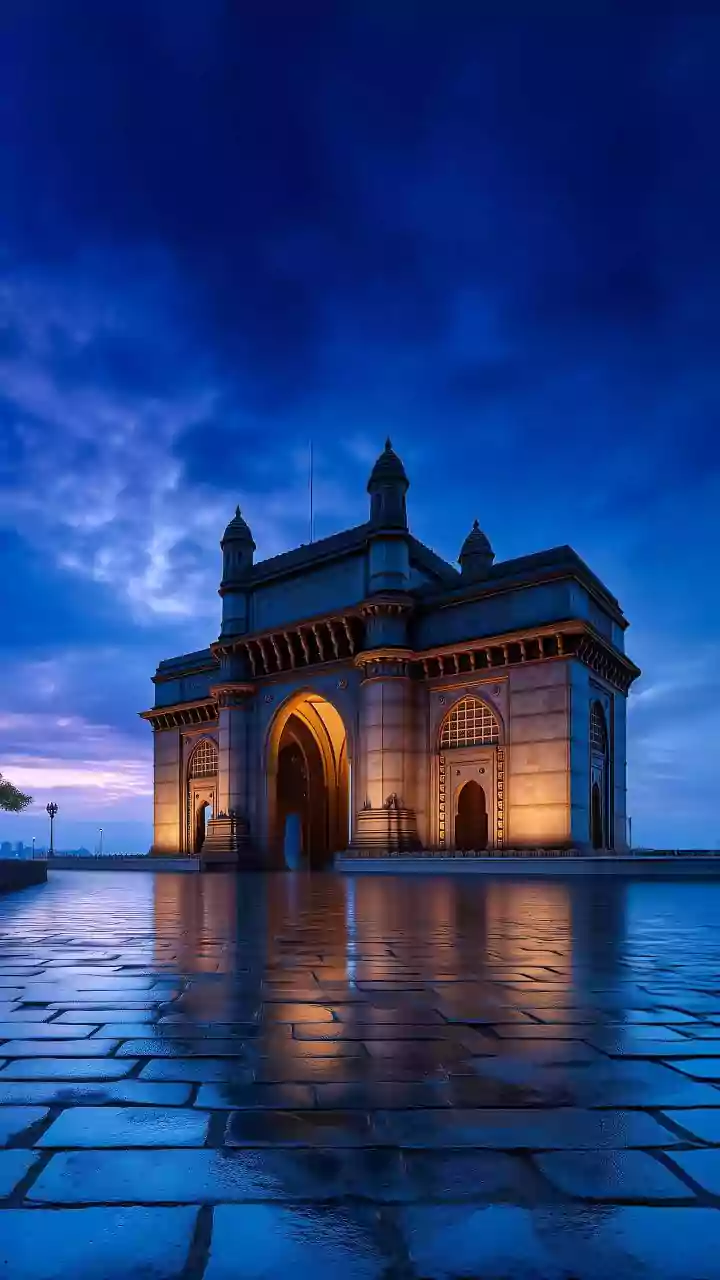
Forget endless blue skies. The monsoon brings drama. The sky becomes a constantly shifting canvas of dark, heavy clouds, sudden bursts of golden sunlight, and the occasional rainbow arching over the palaces. This moody, atmospheric light is a photographer's dream. The rain washes the dust from the city, making the colors of the buildings, saris, and market stalls pop with incredible vibrancy. The wet marble of the palaces glistens, and the streets reflect the stormy sky like dark mirrors. It’s this specific “mood” that is so underrated—a pensive, romantic, and deeply beautiful side of Udaipur that you can only experience when the heavens open up.