




The Trend: Skinification of Hair
The single biggest trend that dermatologists are championing isn't a specific haircut or color—it's a philosophy: the 'skinification' of hair. The term refers to treating the skin on your scalp with the same care and targeted ingredients you use on your face.
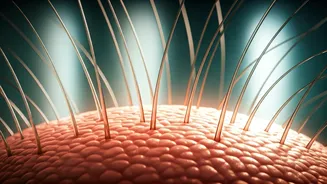
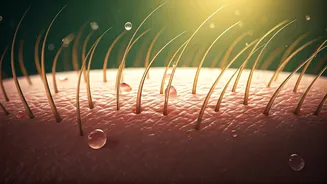
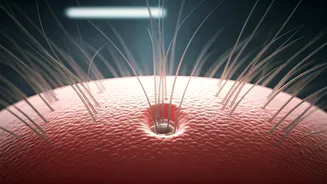
Instead of focusing solely on the strands of hair (which are technically dead cells), this approach prioritizes the living ecosystem at the root. The scalp is skin, after all. It has pores, produces oil, and requires cleansing, balancing, and protection to function optimally. A healthy scalp is the foundation for healthy hair, and this idea is finally moving from the dermatologist’s office into the mainstream.
Why Experts Endorse the Scalp-First Approach
For years, dermatologists have treated conditions like dandruff, psoriasis, and hair loss by focusing on scalp health. Now, they're endorsing it as a proactive wellness strategy. An unhealthy scalp—whether it’s inflamed, clogged with product buildup, or overly dry—cannot produce strong, resilient hair. Inflammation can shrink hair follicles, leading to thinning over time. Product and oil buildup can impede growth and cause irritation. In contrast, a balanced, well-cared-for scalp provides the ideal environment for the hair growth cycle. This approach directly counters the damage caused by other trends. While ultra-tight hairstyles can lead to traction alopecia and harsh chemical treatments can cause scalp burns, 'skinification' is fundamentally about gentle, restorative care.
How to Adopt a Scalp-Care Routine
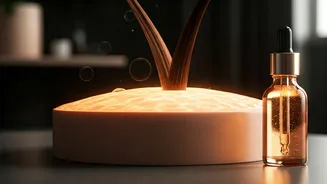
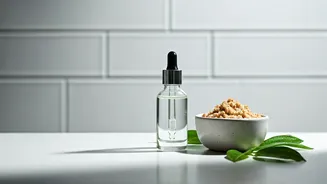
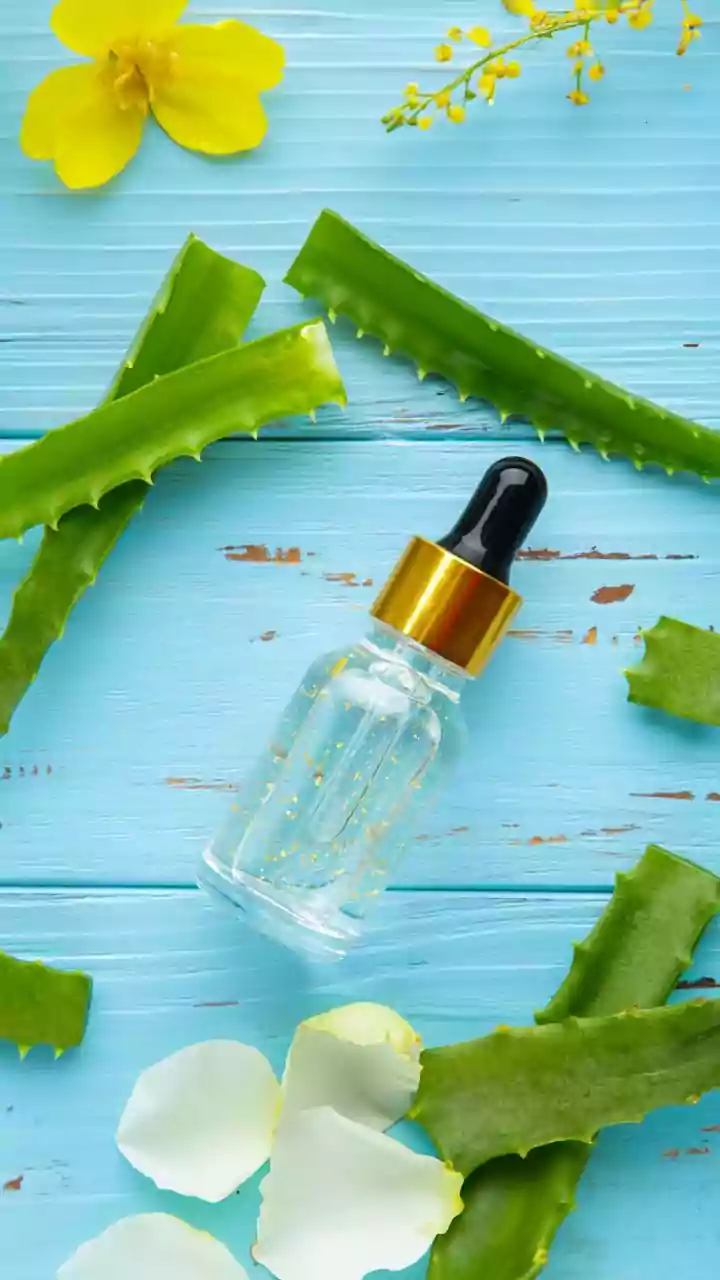
Integrating this trend into your life doesn’t require a complete overhaul. It's about adding a few intentional steps. Start by choosing a shampoo formulated for your scalp type (oily, dry, sensitive), not just your hair type. Consider incorporating a weekly scalp treatment. This could be a gentle physical exfoliant (like a scalp scrub) or a chemical exfoliant with ingredients like salicylic acid to dissolve oil and dead skin cells. Just as you’d use a serum on your face, scalp serums are now widely available. Look for formulas with hydrating ingredients like hyaluronic acid, soothing agents like niacinamide, or stimulating components like caffeine and peptides to nourish the follicles directly.
The Result: Healthy, Minimalist Styles
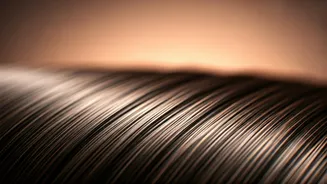
So what does this trend actually look like? The aesthetic result is hair that looks effortlessly healthy. Think high shine, softness, and natural movement—sometimes called 'liquid hair' or 'glass hair.' Because the foundation is so strong, less styling is required. This philosophy pairs perfectly with minimalist styles that don't put stress on the hair shaft or follicles. Soft waves, loose low buns, and simple, air-dried textures are the visual hallmark of a scalp-first routine. It’s a shift away from styles that mask damage and toward a look that telegraphs genuine hair health from the root up. The ultimate goal is hair that looks good on its own, without relying on an arsenal of heat tools and heavy styling products.