

The Green Awakening
For most American travelers, Goa conjures images of palm-fringed coastlines, vibrant nightlife, and yoga retreats under a perpetually sunny sky. But from June to September, a dramatic transformation occurs. The monsoon rains arrive, washing over the Indian
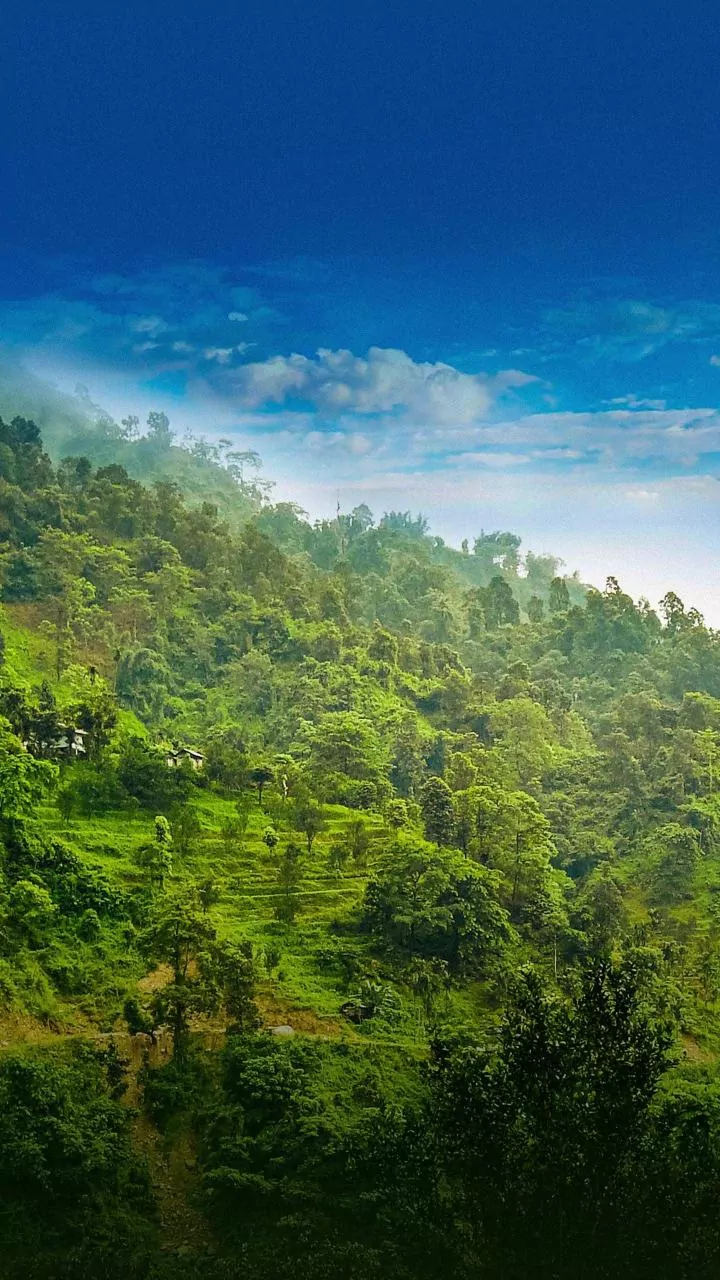
state, trading crowded beaches for a quieter, intensely green, and deeply atmospheric experience. This is the “other” Goa, a time when the state’s lush hinterland comes alive. The air grows heavy with the smell of wet earth, paddy fields turn a shocking shade of emerald, and the focus of life shifts from the Arabian Sea to the dramatic beauty of the Western Ghats mountains.
Enter the Sea of Milk
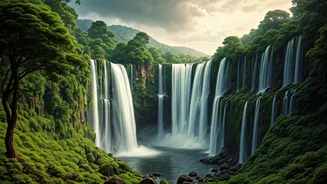
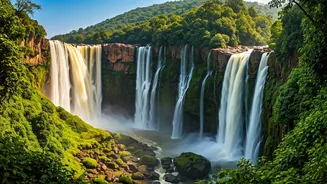
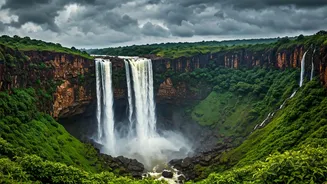
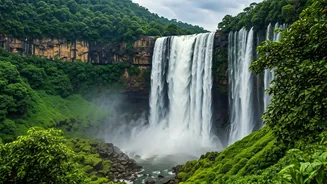
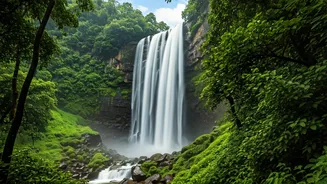
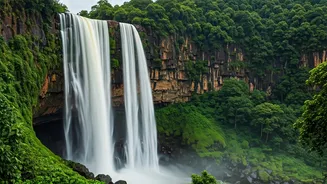
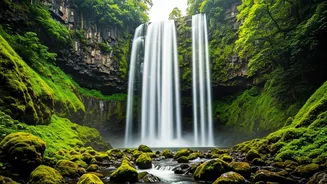
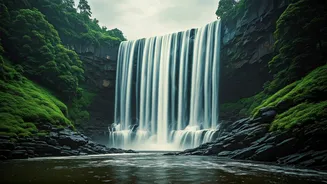
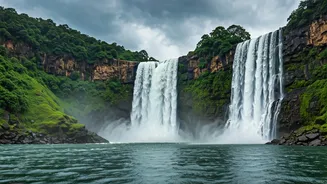
At the heart of this seasonal rebirth is Dudhsagar Falls. The name itself, in the local Konkani language, means “Sea of Milk,” and it’s a descriptor that feels less like a metaphor and more like a statement of fact during the monsoon. Located on the Mandovi River on the border of Goa and Karnataka, this four-tiered waterfall isn’t a gentle cascade; it's a ferocious display of natural power. Plunging over 1,000 feet, the sheer volume of water kicked up by the monsoon rains creates a churning, white torrent so dense and foamy it truly resembles a river of milk pouring down the mountainside. While impressive year-round, the monsoon is when Dudhsagar sheds its gentle demeanor and becomes a roaring, awe-inspiring behemoth.
A Journey Through the Jungle
Reaching the falls is an adventure that primes you for the spectacle. The most common route is a bone-rattling but exhilarating jeep safari through the Bhagwan Mahaveer Sanctuary and Mollem National Park. These 4x4s navigate muddy tracks, cross streams, and plunge deep into a jungle teeming with life. The air cools, the light filters through a dense canopy, and the distant roar of the falls grows from a faint hum to a ground-shaking tremor. This journey strips away the modern world, preparing your senses for something primal and immense. It’s a necessary pilgrimage, a rite of passage that makes your first glimpse of the waterfall feel truly earned.
The Iconic Train Crossing
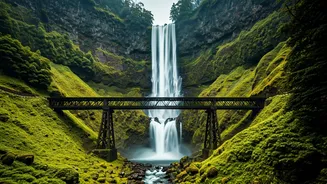
There is another, perhaps more famous, view of Dudhsagar. A railway line connecting the states of Goa and Karnataka slices daringly across the face of the waterfall, passing over a stone bridge that seems impossibly placed. For those on the train, it’s a fleeting, heart-in-your-throat moment as the world outside the window becomes a blur of white spray and green cliffs. For those watching from the base of the falls, the sight of a train slowly inching its way across the roaring cascade is one of India’s most iconic and surreal travel images. It’s a stunning juxtaposition of human engineering and untamable nature, a picture that perfectly captures the dramatic spirit of the region.
Feeling the Power
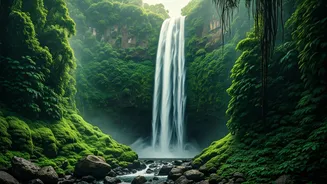
Standing at the viewing area near the plunge pool, the experience is all-encompassing. The roar is deafening, a constant, thunderous bass note that vibrates through your chest. A fine, cool mist blankets everything, clinging to your skin and clothes. You have to shout to be heard over the sheer force of millions of gallons of water crashing into the pool below. It’s a humbling sight, a powerful reminder of nature’s scale. Swimming in the plunge pool, which is sometimes permitted depending on the water levels and safety conditions, offers a bracing and unforgettable way to connect with the falls’ raw energy.