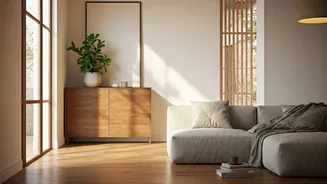


1. It’s About Feeling, Not Just Looks
The shift towards calm design is a direct response to our overstimulated lives. Where previous trends might have prioritized a specific 'look'—like sterile minimalism or loud, eclectic maximalism—the 2026 mood is about how a space makes you feel. Designers
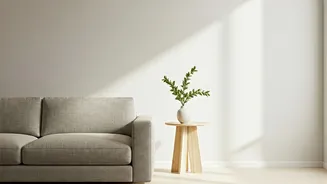
and trend forecasters are pointing towards 'neuroaesthetics,' the study of how our environment impacts our brain and nervous system. A calm home is one that reduces our cognitive load. It’s not empty; it’s intentionally serene. It replaces visual clutter with visual quiet, allowing the mind to relax and recharge the moment you walk through the door.
2. Embrace Earthy, Grounding Palettes
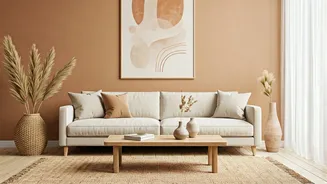
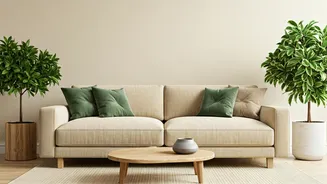
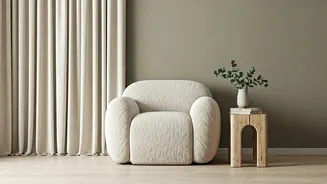
This isn't a return to the bland, monotonous beige of the 90s. The new calm palette is sophisticated, warm, and deeply connected to nature. Think of the colors you’d find on a walk in the woods or along a quiet coast: muted greens, soft terracottas, gentle grays, and rich, creamy whites. These hues are less about making a bold statement and more about creating a cohesive, comforting backdrop. They have a grounding effect, working to create a sense of stability and peace. Accent colors are still welcome, but they tend to be drawn from the same natural palette—a deep navy, a mossy green, or a dusty rose—rather than a jarring, high-contrast pop.
3. Texture Is the New Pattern
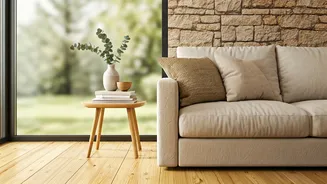
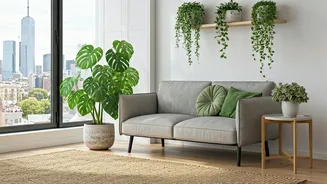
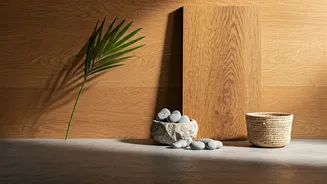
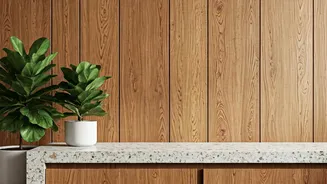
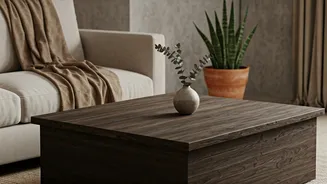
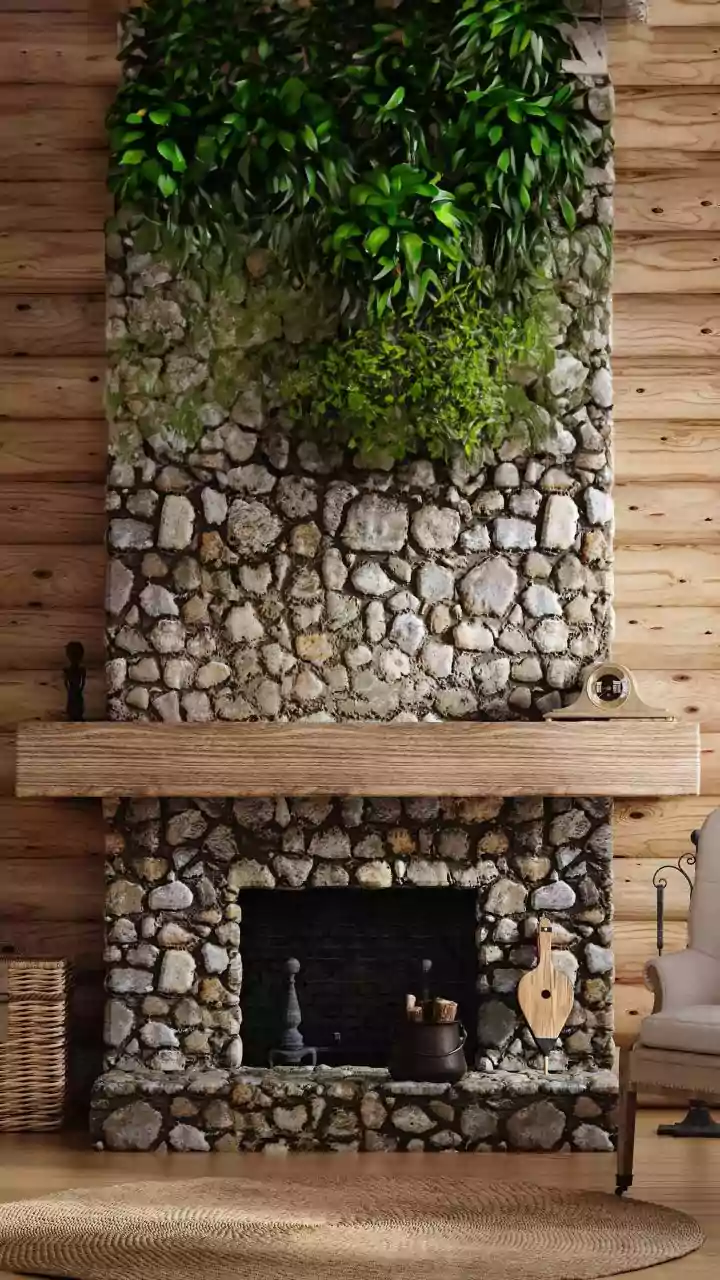
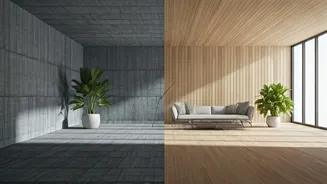
In a calm interior, visual interest comes from texture rather than busy patterns. Think about the tactile experience of your home. A chunky wool throw, a smooth ceramic vase, a rough-hewn wooden bench, and soft linen curtains all contribute to a rich, sensory landscape. Mixing these textures adds depth and warmth without creating visual noise. The interplay of smooth and rough, soft and hard, is what makes a room feel layered and lived-in. This focus on natural materials—wood, stone, rattan, clay—not only provides texture but also reinforces our connection to the natural world, a core tenet of biophilic design.
4. Light It Right: Soft and Layered
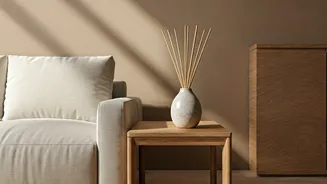
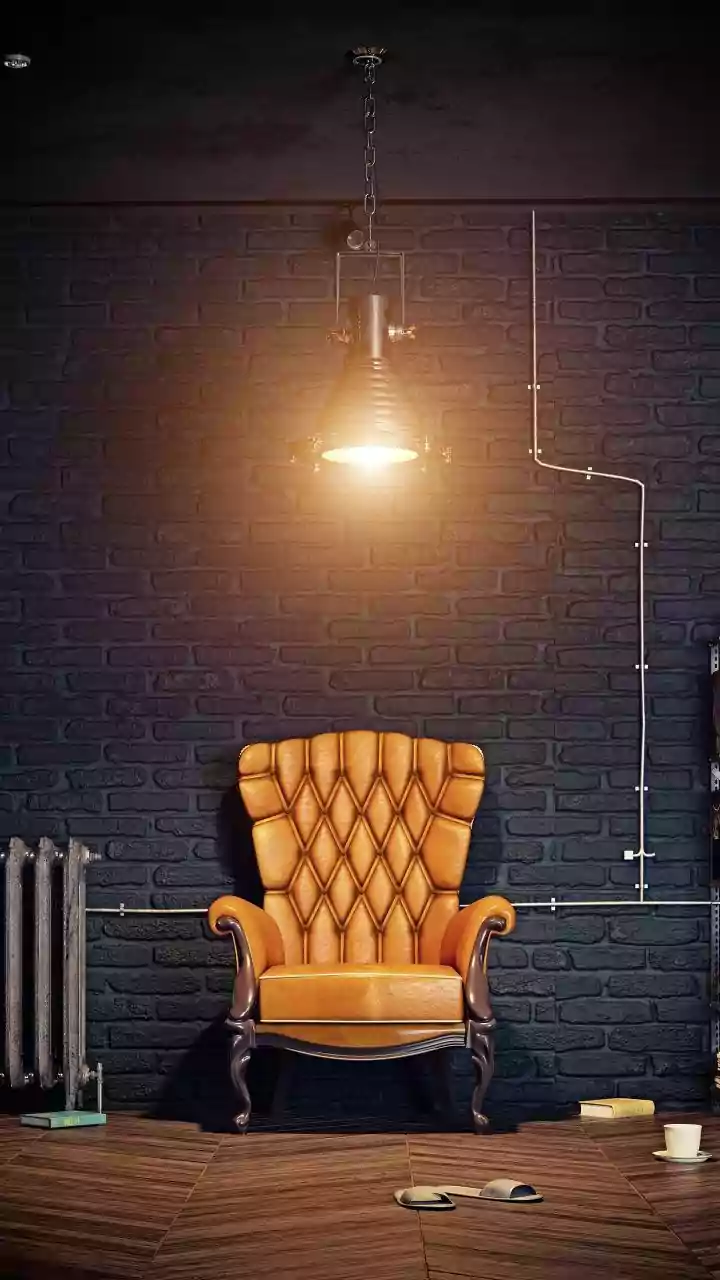
Nothing shatters a calm mood faster than harsh, overhead lighting. The goal is to mimic the gentle, shifting light found in nature. This means layering your light sources. Instead of relying on a single, central fixture, combine ambient, task, and accent lighting. Use floor lamps to create warm pools of light in corners, table lamps for reading nooks, and dimmers on everything. Prioritize warm-toned bulbs (around 2700K) to create a cozy, inviting glow that’s easier on the eyes. Maximizing natural light is also key. Keep window treatments simple to let in as much daylight as possible, connecting your indoor space with the rhythms of the day.
5. Declutter with Purpose, Not Perfection
Calm design should not be confused with empty, impersonal minimalism. It’s about conscious curation. The idea isn't to get rid of all your possessions, but to create breathing room around the objects you truly love and use. This is 'quiet luxury' applied to your life: valuing quality over quantity. Every item in your home should have a purpose, whether it’s functional or simply brings you joy. By editing your space down to the essentials—essentials defined by you—you reduce distractions and create a home that is a true reflection of your values, not just an accumulation of stuff.