





1. Treat All Floodwater as Contaminated
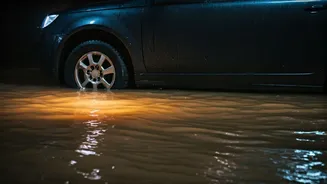
The single most important rule is to assume that all floodwater is hazardous. It’s not just rainwater; it's a toxic soup. When storm drains and sewage systems overflow, floodwater becomes contaminated with human and animal waste, which can carry bacteria
like E. coli, Salmonella, and Vibrio. It also picks up agricultural and industrial chemicals, gasoline, and pesticides. Furthermore, floodwater hides dangers you can't see, including downed power lines that can create an electrocution risk, sharp objects like broken glass and metal, and displaced wildlife. The CDC’s advice is clear: avoid contact with floodwater whenever possible. If you must enter it, wear waterproof boots and gloves to protect your skin.
2. Secure a Safe Source of Drinking Water
After a major storm or flood, your municipal water supply may no longer be safe to drink. Power outages can disrupt water treatment facilities, and broken pipes can allow contaminants to enter the system. Pay close attention to local announcements for a “boil water advisory.” If one is issued, it means you must bring all water intended for drinking, cooking, or brushing teeth to a rolling boil for at least one minute (or three minutes at elevations above 6,500 feet). If you don't have power, you can disinfect water using unscented household bleach. The EPA recommends adding 1/8 teaspoon of bleach per gallon of clear water, stirring, and letting it stand for 30 minutes. Having a stored supply of bottled water (one gallon per person, per day) is the best form of preparation.
3. Protect Yourself During Cleanup
The health risks don't end when the water recedes. Cleaning up after a flood exposes you to contaminated mud and the potential for mold growth. Always wear heavy-duty gloves, waterproof boots, and eye protection. Any cuts or open sores are potential entry points for dangerous bacteria, including Tetanus. If you get a cut, wash it immediately with soap and clean water and apply an antiseptic. Be mindful of respiratory health, too. Damp environments are a breeding ground for mold, which can trigger allergic reactions and asthma attacks. When cleaning indoors, wear an N95 respirator to avoid inhaling mold spores, and increase ventilation by opening windows and using fans.
4. Take Extra Care with Well Water
For the millions of Americans who rely on private wells, floods pose a unique threat. If floodwater has covered or come near your wellhead, it's highly likely your well is contaminated. Do not use the water for drinking, cooking, or even bathing until you have it professionally tested. Look for signs of trouble, such as a change in water color, taste, or smell. After the floodwaters recede, you will need to disinfect the well and the entire water system, a process often called “shock chlorination.” Your local health department or a licensed well contractor can provide specific instructions and assistance. Until you have confirmation that your water is safe, rely on bottled water or water you have properly disinfected.
5. Prevent Mosquitoes and Other Pests
Standing water, even in small amounts, creates a perfect breeding ground for mosquitoes, which can transmit diseases like West Nile virus and Zika. After a storm, walk your property and drain any standing water from buckets, old tires, birdbaths, and clogged gutters. Keeping your yard free of stagnant pools is a crucial public health measure for your entire neighborhood. Floods can also displace rodents and other pests, driving them to seek shelter in homes. As you clean up, be sure to seal any new cracks or holes in your foundation and walls to prevent them from getting inside.