





Tidy Up Spring-Flowering Shrubs
Remember those glorious lilacs, forsythias, and viburnums that were the stars of your April and May garden? Now that their floral show is over, it’s their time for a haircut. This is perhaps the most critical pruning task of the month. Spring-flowering
shrubs form their flower buds for next year on old wood during the summer. If you wait until fall or winter to prune them, you’ll be cutting off next spring’s blossoms. Immediately after the last flowers fade is the perfect window. Your goal is threefold: remove any dead or crossing branches, thin out the interior to improve air circulation, and lightly shape the plant. For overgrown shrubs like lilacs, you can remove up to one-third of the oldest, thickest stems at the base to encourage vigorous new growth.
Perform the 'Chelsea Chop'
This classic technique gets its name from the famous Chelsea Flower Show in the U.K., which happens in late May—the ideal time for this task. The 'Chelsea Chop' is for late-summer and fall-blooming perennials that tend to get tall, leggy, and floppy by the time they flower. Think bee balm (Monarda), phlox, asters, and tall sedums. The method is simple: use your shears to cut the entire plant back by about one-third to one-half. It feels brutal, but the result is a sturdier, bushier plant with more stems, which means more flowers. It also delays the bloom time slightly, so you can even get creative by chopping only the front half of a clump to stagger the blooms and create a longer-lasting display. This one act prevents the need for staking later in the season.
Deadhead for Non-Stop Color
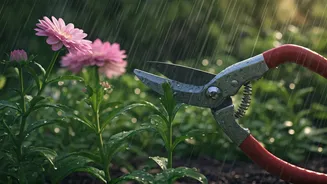
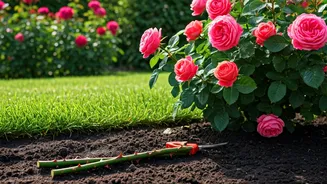
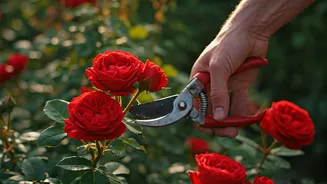
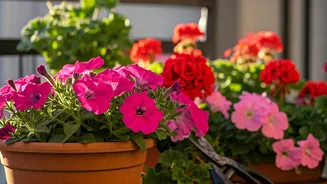
Deadheading is the simple act of removing spent flowers, and it’s the secret to keeping your garden colorful all summer. For many plants, the biological goal of a flower is to produce seed. Once it does, the plant has no incentive to create more blooms. By snipping off the old flowers, you trick the plant into trying again. This is especially true for annuals like petunias, marigolds, and zinnias, as well as repeat-blooming perennials like salvia, coreopsis, and shasta daisies. For roses, deadheading not only encourages more flowers but also helps prevent diseases by removing old, decaying petals. You can use your fingers for soft-stemmed plants, but a clean cut from pruning shears is better for tougher stems and gives a tidier look.
Shape Hedges and Evergreens
By June, many hedges and evergreen shrubs have put on a big flush of new growth. Now is a good time for a light shearing to refine their shape. For formal hedges like boxwood, yew, or privet, a light trim will keep them looking neat and dense. The key is to always prune so the base of the hedge is slightly wider than the top; this ensures sunlight can reach the lower branches, preventing that bare, leggy look at the bottom. For evergreens that grow in a more natural form, like arborvitae, you can selectively prune back any stray branches that disrupt the plant’s silhouette. Avoid heavy pruning in the summer heat, as it can stress the plant. This is a maintenance trim, not a major renovation.
A Quick Word on Tools
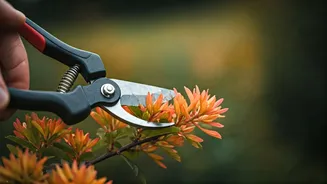
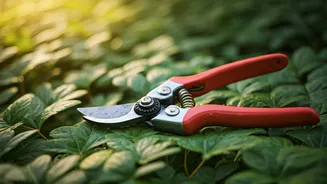
The headline isn’t just a catchy phrase—your success depends on your pruning shears. Before you start, make sure they are sharp and clean. A sharp blade makes a clean cut that heals quickly, while a dull blade crushes stems, leaving a ragged wound that invites pests and diseases. Likewise, cleaning your shears with a simple solution of 10% bleach or rubbing alcohol, especially when moving between plants, is crucial. This prevents the spread of fungal spores and bacteria from a diseased plant to a healthy one. Using the right tool—bypass pruners for live stems, loppers for thicker branches, and hand shears for hedges—makes the job easier on both you and your plants.