

From Lunchbox to Luxe
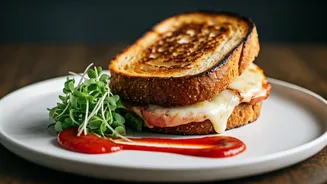
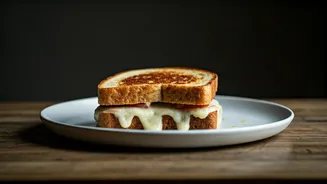
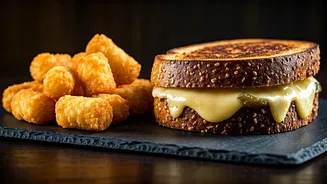
Scan the menu at a trendy bistro or gastropub today, and you’ll find familiar ghosts of childhoods past. We’re not talking about a kids' menu. We’re talking about a $22 grilled cheese made with artisanal sourdough, Gruyère, and a schmear of fig jam. We’re talking about tater
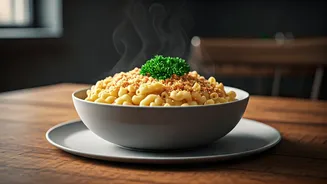
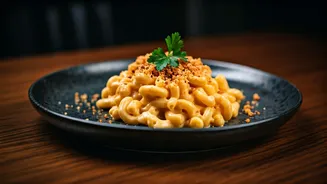
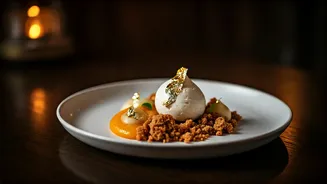
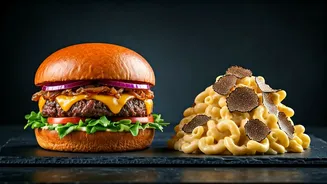
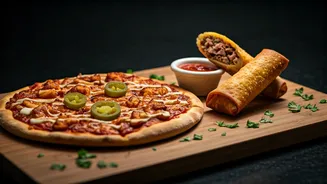
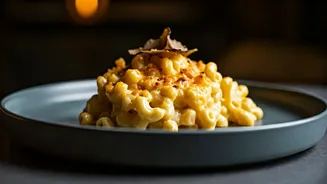
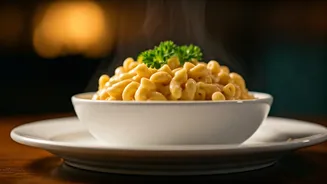
tots, not from a freezer bag, but hand-shredded, fried in duck fat, and served with a side of truffle aioli. Across the country, chefs are mining our collective past for inspiration, transforming simple, often-processed staples into sophisticated, crave-worthy dishes. Think mac and cheese elevated with lobster and a five-cheese béchamel, or a s'mores dessert deconstructed into a chocolate sphere filled with graham cracker foam and torched marshmallow meringue. These aren't just homages; they are full-throated reinterpretations, applying classical technique and premium ingredients to the foods that once defined after-school snacks and lazy Saturday lunches.
The Powerful Pull of Nostalgia
So, why are we suddenly willing to pay a premium for the foods our parents made for pocket change? The answer, in a word, is nostalgia. For millennials—now the largest dining demographic—and Gen Xers, these foods are edible time machines. They evoke a sense of comfort, safety, and simplicity in an increasingly complex and anxious world. Ordering a gourmet hot dog or a high-end Pop-Tart isn't just about the taste; it's about buying a feeling. It's a small, accessible indulgence that provides a direct line to a less complicated time. In a post-pandemic era where “comfort” has become a primary driver of consumer behavior, restaurants have found that tapping into these powerful emotional memories is a reliable way to connect with diners. The familiar becomes a safe and exciting foundation for culinary exploration.
A Chef's Secret Weapon
This trend isn't just driven by diner demand; it’s a smart business move for chefs and restaurateurs. The core ingredients for most childhood classics—potatoes, bread, cheese, pasta—are relatively inexpensive and have high profit margins. A potato is a potato, but when you transform it into “pommes frites tots with Parmesan and rosemary,” you can justify a much higher price point. This strategy allows chefs to balance their food costs, making the more expensive, experimental dishes on their menus financially viable. Furthermore, these dishes are often less intimidating to diners than, say, sweetbreads or uni. An upscale grilled cheese is an easy “yes.” It allows chefs to showcase their skill and creativity on a familiar canvas, proving that technique and quality ingredients can make even the simplest dish extraordinary. It’s a win-win: the restaurant makes a healthy margin, and the customer gets a dish that is both comforting and impressive.
Redefining 'Good' Food
Ultimately, the rise of the premium childhood classic signals a broader shift in food culture. The rigid lines that once separated “high-brow” (foie gras, caviar) from “low-brow” (hot dogs, pizza pockets) have all but disappeared. Today, the mark of a great chef isn't just their ability to handle luxury ingredients, but their capacity to bring out the absolute best in any ingredient. The focus has shifted from exclusivity to execution. Diners are no longer judging a dish based on the pedigree of its components but on a simpler, more honest metric: Does it taste amazing? This democratization of the menu proves that a perfectly executed bowl of tomato soup served with a cheddar-crusted sandwich can be just as valid, and just as satisfying, as a complex dish with a French name. It’s a recognition that deliciousness can be found anywhere, even in the flavors we loved when we were eight years old.