




From 'Farm-to-Table' to 'Place-to-Plate'
For years, the gold standard of conscientious cooking was 'farm-to-table.' It was a noble and necessary correction, pulling us away from processed, trucked-in homogeneity and reconnecting restaurants with their immediate agricultural surroundings. But
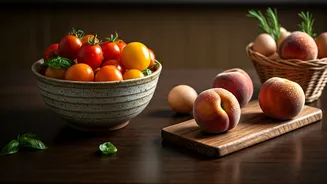
a new generation of chefs is pushing past this baseline. They’re asking a more profound question: not just 'where did this food come from?' but 'what does the food of this specific place *taste* like?' This isn't just about using a tomato from a nearby farm; it’s about using the specific heirloom tomato that has grown in that valley for 200 years. The focus has shifted from simple proximity to a deeper sense of terroir—a French term for the way a region's specific soil, climate, and culture shapes the taste of its food and wine. The result is a cuisine that doesn’t just feel fresh; it feels anchored in history and geography.
Reviving America's Forgotten Pantry
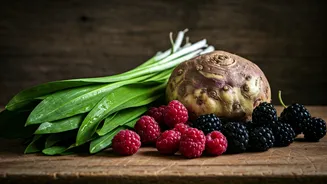
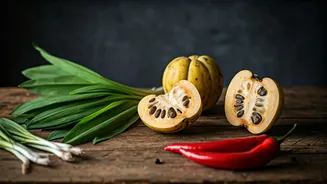
This movement is most visible in the ingredients themselves. Chefs are acting as culinary archaeologists, unearthing and championing foods that were once staples of American regional diets but were nearly lost to industrial agriculture. In the South, you see the revival of Carolina Gold rice, a nutty, flavorful grain that formed the basis of the pre-Civil War low-country economy. In the Appalachians, chefs are foraging for ramps, wild onions with a potent funk, and celebrating the pawpaw, America’s largest native fruit, which tastes like a tropical custard. Across the Midwest, menus feature heritage hog breeds, while in the Pacific Northwest, chefs build dishes around specific, lesser-known varieties of salmon and oysters. By putting these ingredients on a modern plate, they aren’t just creating a delicious meal; they are creating a living market for foods that might otherwise have become extinct, preserving biodiversity one menu at a time.
The Chef as Storyteller
In this context, the chef becomes more than a cook; they become a historian and a storyteller. Take the work of Chef Sean Brock, whose early work at Husk in Charleston, South Carolina, was a masterclass in this philosophy. He famously declared that if an ingredient wasn't from the South, it wouldn't be in his kitchen. This wasn't a gimmick; it was a rigorous creative constraint that forced a deep dive into Southern foodways, from heirloom corn varieties for grits to traditional preservation methods like pickling and smoking. Similarly, Chef Mashama Bailey at The Grey in Savannah, Georgia, explores the rich, complex history of Gullah Geechee and Southern cuisine, telling the story of the African diaspora through dishes that are both elegant and deeply soulful. The plate becomes a narrative, connecting diners to the people, struggles, and triumphs that shaped the region’s culinary identity.
An Antidote to Global Sameness
Ultimately, this embrace of regional flavors is a powerful antidote to the feeling of globalized sameness that can pervade modern life. In an era where you can get a decent bowl of ramen or a flat white in almost any city in the world, these intensely local menus offer something unique and untranslatable. They provide a powerful sense of place. Eating a dish built around ingredients and traditions from coastal Maine tastes fundamentally different from one celebrating the high desert of New Mexico, as it should. This isn't about closing off to outside influences. Instead, it’s about building a stronger, more confident American culinary identity from the ground up, one rooted in the incredible diversity of its own land and history. It’s a quiet rebellion against the idea that the best food always comes from somewhere else.