


Prioritize Sleep, Even on Long Days
It’s tempting to burn the candle at both ends when the sun doesn’t set until 9 p.m., but skimping on sleep is one of the fastest ways to weaken your body's defenses. During deep sleep, your immune system releases proteins called cytokines, some of which
help promote sleep while others need to increase when you have an infection or inflammation. Sleep deprivation can decrease the production of these protective cytokines, as well as infection-fighting antibodies and cells. Summer presents unique challenges to our sleep schedules. Travel across time zones, late-night barbecues, and lighter mornings can all disrupt our natural circadian rhythms. The solution isn’t to miss out on summer fun, but to be more intentional about rest. Aim for 7-9 hours of quality sleep per night. If your schedule is thrown off one night, try to get back on track the next. Simple strategies can help: use blackout curtains to block out the early morning sun, establish a relaxing pre-bed routine away from screens, and keep your bedroom cool, as a lower body temperature facilitates deeper sleep.
Hydration Is Your Non-Negotiable
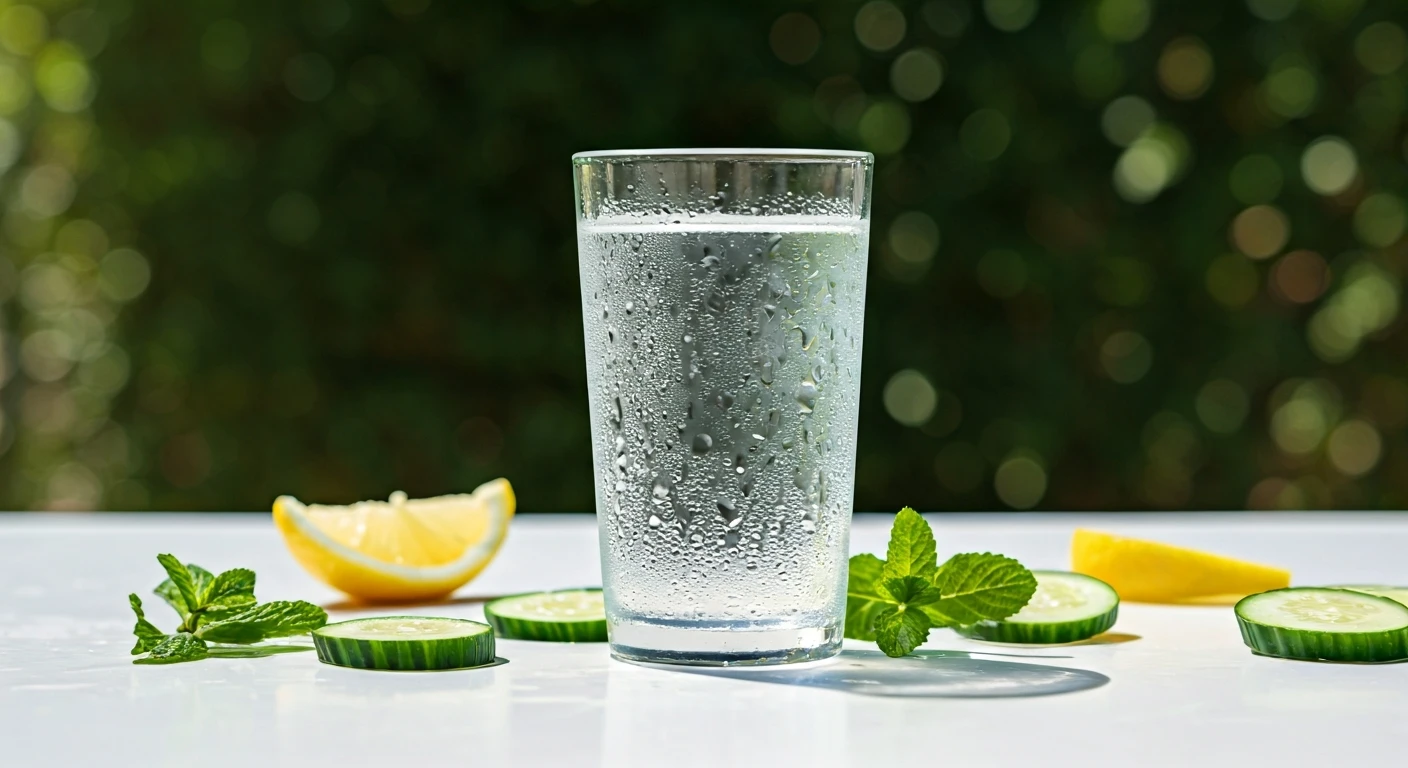
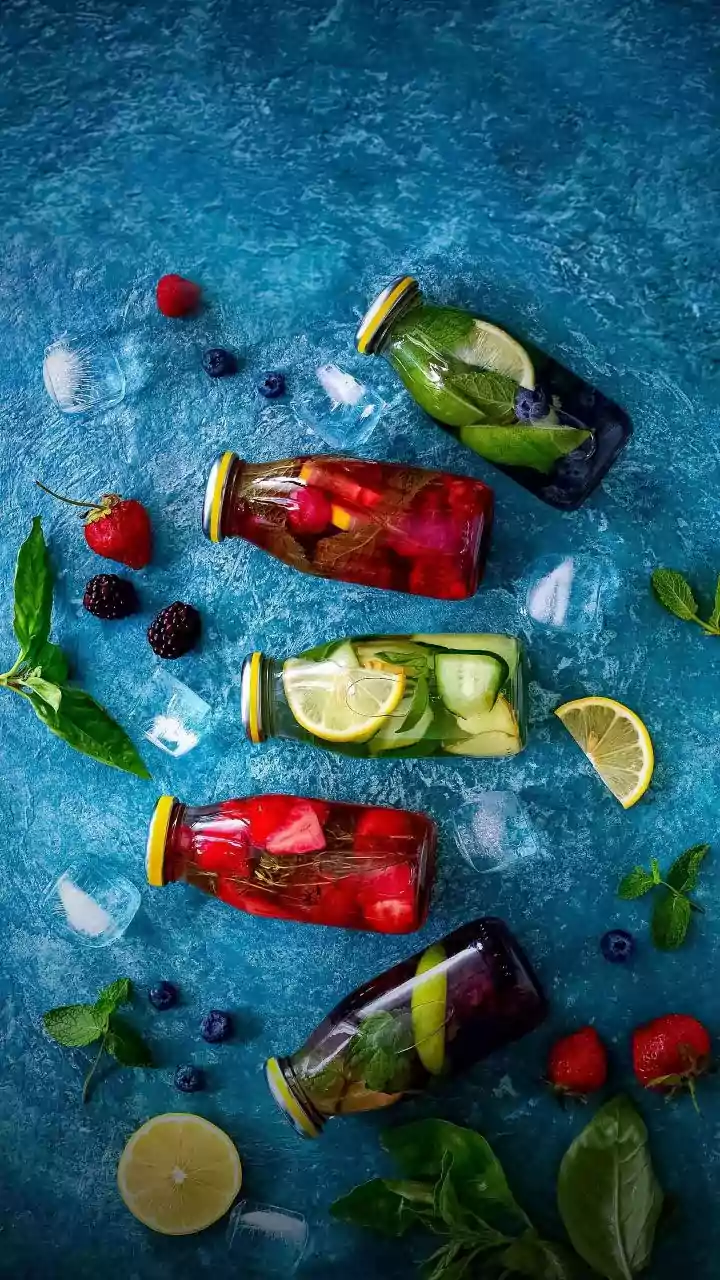
We all know we should drink more water, but in the summer, it’s not just advice—it’s critical. Dehydration is a significant stressor on the body, and a stressed body has fewer resources to fight off germs. Water is essential for carrying oxygen to your body cells, which results in properly functioning systems. It also helps flush toxins from the body and is a key component of the mucus lining our nose and lungs, which acts as a first-line defense against inhaled pathogens. When you’re dehydrated, that mucus can dry out and become less effective. Hotter weather, increased activity, and time spent in the sun all raise your daily fluid needs. Don't wait until you feel thirsty; by then, you're already on your way to being dehydrated. Keep a reusable water bottle with you at all times. If you find plain water boring, infuse it with summer fruits like lemon, cucumber, mint, or berries. You can also get hydration from foods. Watermelon, cantaloupe, strawberries, and cucumbers are all packed with water and can contribute to your daily intake. Limiting dehydrating drinks like alcohol and excessive caffeine is also a smart move for keeping your system in balance.
Fuel Up With Summer's Bounty
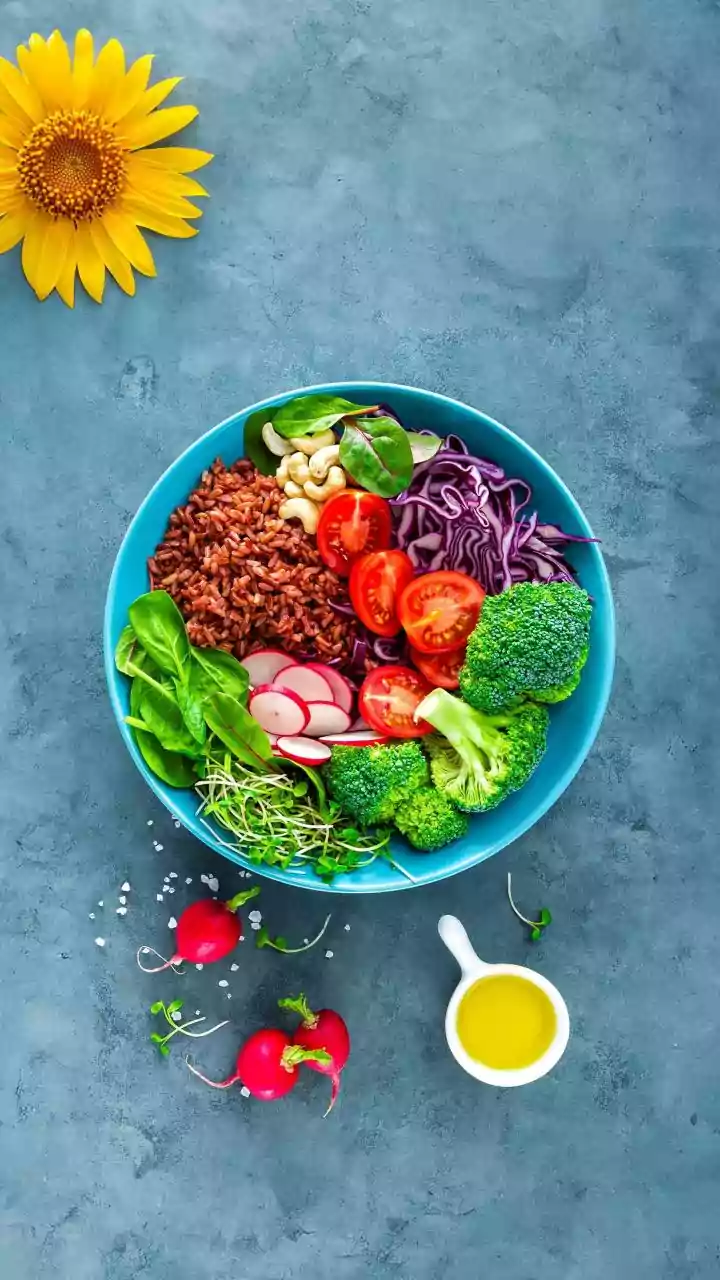
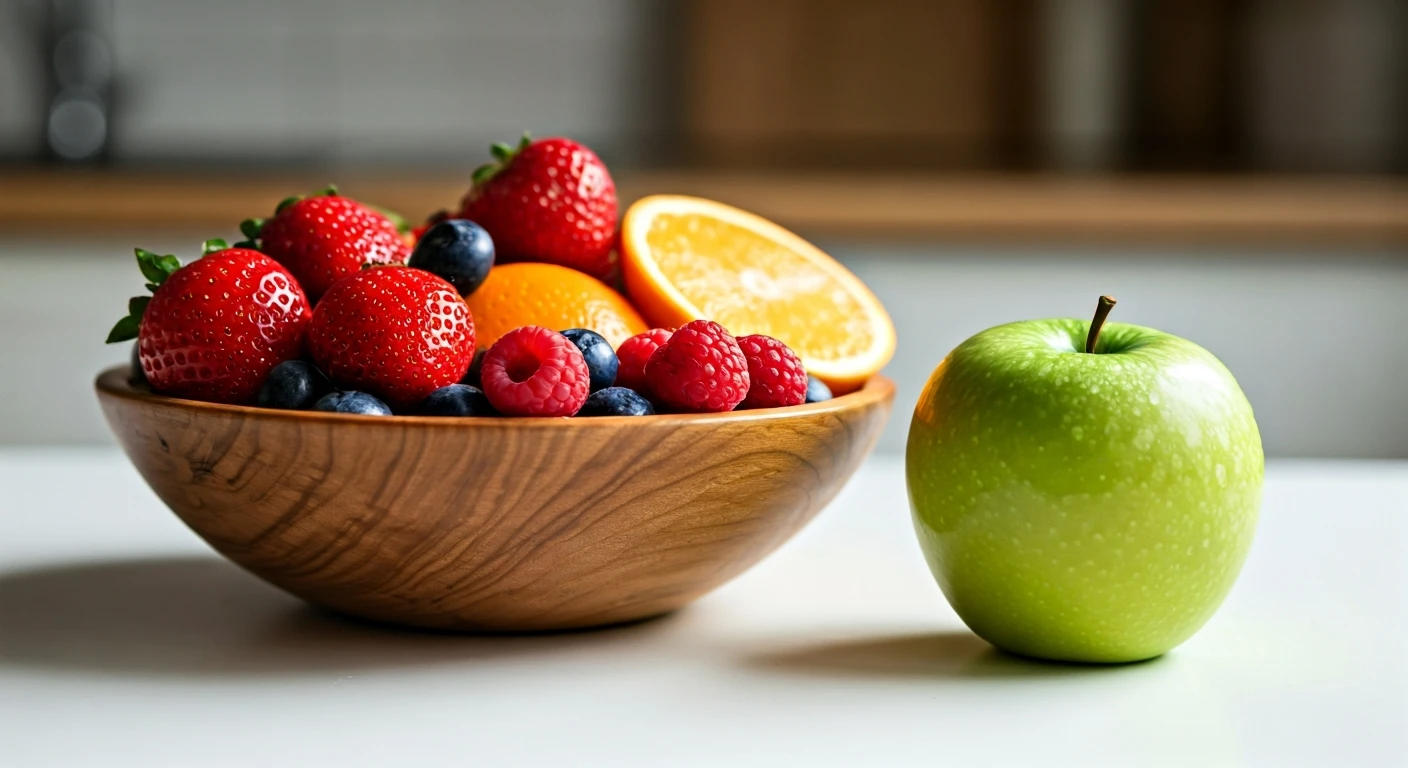
The food you eat provides the building blocks for your immune cells. Luckily, summer is peak season for some of the most nutrient-dense, immune-supporting foods you can find. Instead of thinking about complex supplements, focus on filling your plate with a colorful variety of fresh produce. Berries like blueberries, raspberries, and strawberries are loaded with antioxidants, particularly anthocyanins, which have been shown to have antimicrobial properties and support respiratory tract defense. Load up at the farmers' market. Citrus fruits, bell peppers, and broccoli—all readily available in summer—are packed with Vitamin C, a well-known immune booster that can help encourage the production of white blood cells. Zinc, found in lean meats, chickpeas, and seeds, is also crucial for immune cell development. A classic summer meal of grilled chicken or fish with a large, colorful salad and a side of watermelon isn't just delicious; it’s a masterclass in fueling your immune system for the season.