

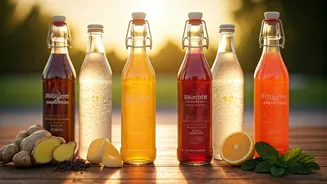

The New England Switchel: Farm Fuel to Gut-Health Hero
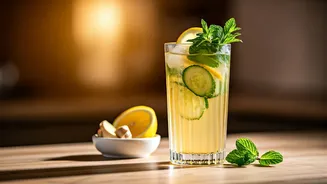
Long before kombucha was a household name, New England farmers were chugging switchel—or “haymaker’s punch”—to stay hydrated during long summer harvests. The original recipe was a pragmatic mix of water, apple cider vinegar, ginger, and a sweetener like
molasses or maple syrup. It was tart, spicy, and deeply refreshing. Today’s wellness glow-up keeps the core concept but refines the details. Artisanal brands and home brewers are swapping out molasses for raw honey or low-glycemic monk fruit. They’re using unfiltered apple cider vinegar “with the mother” for its probiotic benefits and upping the ante with fresh-pressed ginger and turmeric for anti-inflammatory power. It’s the original functional beverage, now repackaged for the yoga-and-farmers-market crowd as a complex, gut-friendly alternative to sugary sodas.
Southern Sweet Tea: Less Sugar, More Soul
In the South, sweet tea isn't just a drink; it's a cultural institution, often brewed strong and shockingly sweet. But as health consciousness rises, even this beloved staple is getting a rethink. The glow-up isn’t about eliminating tradition but refining it. The new school of sweet tea focuses on quality over quantity. Instead of a cup of refined white sugar per pitcher, modern recipes call for a fraction of that, using high-quality loose-leaf black tea whose natural complexity doesn't need to be masked. Many are turning to natural alternatives like a touch of honey, stevia, or allulose. Others are cold-brewing their tea to extract a smoother, less bitter flavor that requires less sweetening. Infusions are also key, with fresh mint, basil, peach slices, or lavender sprigs adding aromatic notes and natural sweetness, transforming the classic into something lighter, brighter, and far more sophisticated.
The Shrub: A Colonial Staple’s Craft Cocktail Comeback
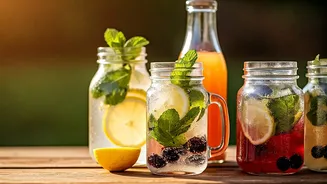
Before refrigeration, colonists preserved summer fruit by packing it in sugar and letting it macerate. The resulting fruit-infused syrup was then mixed with vinegar, creating a “shrub” that could be diluted with water or spirits. For decades, this technique was all but forgotten. Now, it’s back with a vengeance at the forefront of the craft cocktail and mocktail scene. The wellness angle is built-in: shrubs are naturally lower in sugar than commercial syrups and use vinegar, which is lauded for its digestive benefits. Today’s shrubs are culinary creations, pairing seasonal fruits like blackberries or plums with artisanal vinegars—think balsamic, champagne, or raw apple cider. They’re used to create complex, non-alcoholic drinks with adult flavor profiles or to add a tangy, fruity depth to cocktails, replacing sugary mixers with something vibrant and preservative-free.
Agua Fresca: Fresh Water Gets a Superfood Boost
A staple in Mexico and the American Southwest, aguas frescas (“fresh waters”) are light, non-alcoholic drinks made from blending fruit, flowers, or seeds with water and a touch of sugar. Classics like horchata (rice milk) and jamaica (hibiscus) are fixtures at taquerias. The wellness wave has embraced the agua fresca’s simple, whole-ingredient premise and pushed it further. The modern take minimizes or eliminates added sugar, relying on the natural sweetness of ripe watermelon, cantaloupe, or pineapple. Beyond that, they’re being boosted with functional ingredients. You’ll now find chia seeds added for fiber and omega-3s, creating a texture similar to bubble tea. Splashes of lime juice, fresh mint, and even a hint of cayenne are being used to create more dynamic flavor profiles. Some cafes are even blending in adaptogens or a splash of kombucha, turning this humble refresher into a full-blown health elixir.