



A Festival of Fertility and Faith
Every year during the summer monsoon, the Ambubachi Mela transforms the city of Guwahati in the northeastern Indian state of Assam. It's one of the most significant gatherings in the Hindu world, drawing millions of pilgrims to the Kamakhya Temple, a site
dedicated to the goddess Sati. But this is no ordinary festival. The Ambubachi Mela is a celebration of divine feminine power, specifically the goddess's annual menstruation. For four days, the temple's inner sanctum is closed, symbolizing a period of sacred rest for the deity, who is believed to be a living goddess. This concept, rooted in Tantric traditions, venerates the life-giving power of menstruation, framing it not as impure but as a potent source of creative and spiritual energy. Pilgrims, from holy men known as sadhus to everyday families, gather to honor this cycle and absorb the potent spiritual vibrations of the temple grounds.
The Spirituality of Abstinence
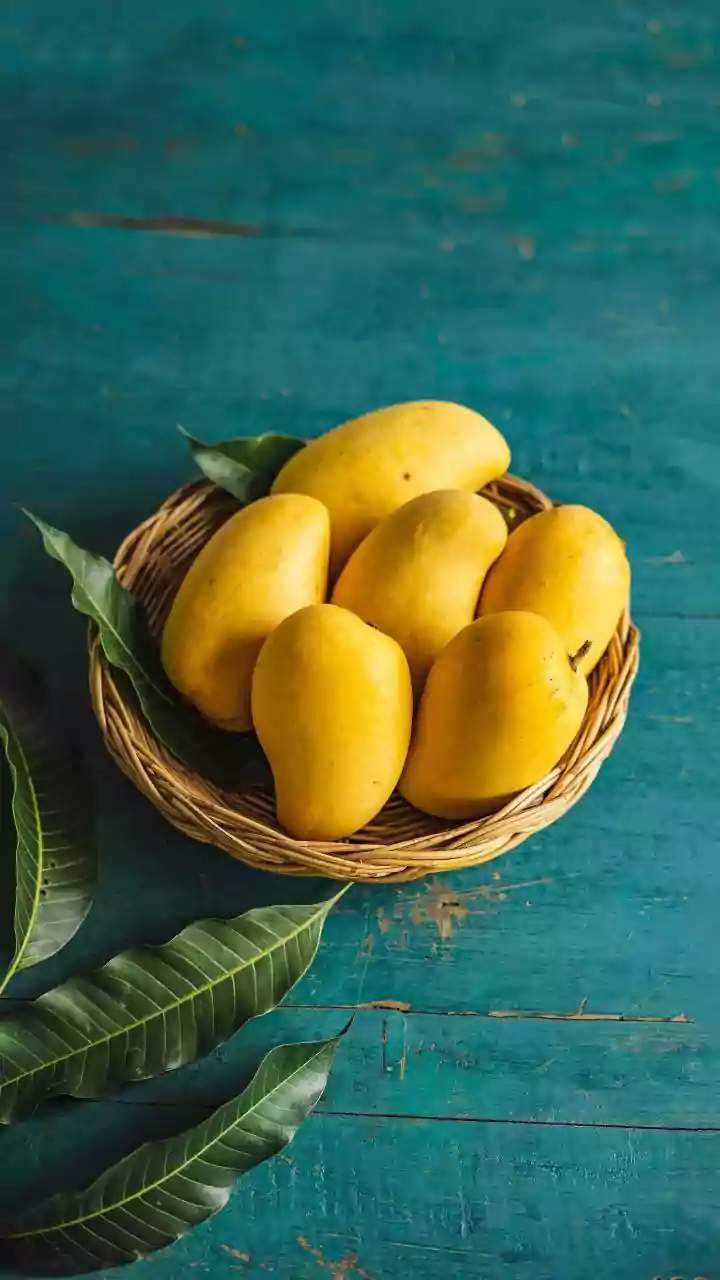
The festival's deep connection between spirituality and the earth is powerfully expressed through food—or, initially, the lack of it. During the first three days of the mela, when the goddess is in her period of seclusion, a profound sense of restriction takes hold. Devotees observe a form of sympathetic austerity. Cooking, frying, and other kitchen activities are forbidden. Farmers do not till their fields. Reading holy books is paused. This isn't just a rule; it's a deeply symbolic act. The earth, personified by the goddess, is considered to be fertile and 'unwell' in the same way a menstruating woman is. To dig into the soil or light a fire for cooking would be to cause her pain. Instead, pilgrims subsist on uncut fruits and pre-prepared, uncooked foods. This period of abstinence is a spiritual discipline, aligning the individual's body and actions with the cosmic rhythm of the divine feminine.
Prasad: Food as Divine Blessing
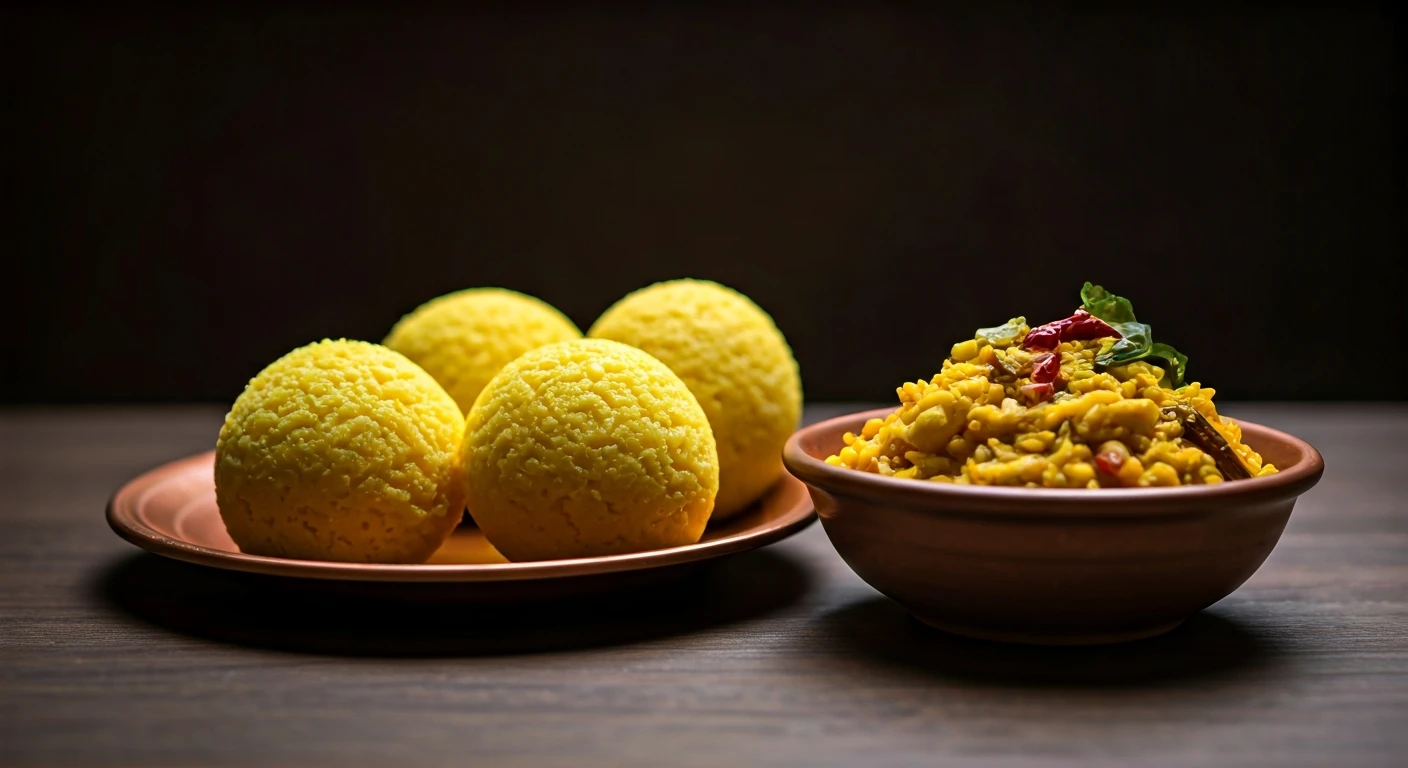
When the temple doors reopen on the fourth day, the atmosphere shifts from quiet contemplation to joyous celebration, and food becomes the primary medium for receiving the goddess's blessing. The concept of *prasad*—a food offering made to a deity that is then distributed to devotees—is central here. At Kamakhya, the most coveted prasad is not what you might expect. It includes *angodak* (spring water) and *angabastra* (small pieces of red cloth believed to be moistened with the goddess's menstrual fluid). Alongside these unique items, edible *bhog* (a cooked vegetarian meal) is prepared in massive temple kitchens and distributed to the waiting thousands. Eating this food is not merely about sating hunger; it is a sacred act. Devotees believe they are internalizing the grace and power of the goddess herself. The act of consumption becomes an act of communion.
From Austerity to Abundance
The reopening of the temple signals a dramatic shift from restriction to abundance. The temple grounds and surrounding streets explode into a vibrant food festival. Temporary stalls and eateries emerge, offering a dazzling array of Assamese vegetarian cuisine. The air fills with the sizzle of frying breads and the aroma of spiced lentils and vegetables. Beyond the commercial stalls, communal kitchens known as *langars*, often run by religious or social organizations, serve free meals to anyone, regardless of faith or social standing. Lines of pilgrims sit together on the ground, sharing simple but wholesome meals of rice, dal, and sabzi (vegetable curry). This communal feasting reinforces the spiritual equality of all devotees. After days of personal austerity, the act of sharing a meal with thousands of strangers becomes a powerful celebration of community, humanity, and shared devotion.