



The Appeal of Imperfect Weather
We’re conditioned to chase the sun. Our travel plans are meticulously built around weather forecasts that promise cloudless skies and uninterrupted beach days. A forecast of rain is often seen as a trip-ruiner, a sign of chaos and disappointment. But
what if we’ve been looking at it all wrong? What if the rain isn’t the problem, but the point? For a growing number of travelers, the monsoon season—that period of intense seasonal rain, especially in tropical and subtropical regions—is the main attraction. They are trading the crowded, sun-scorched chaos of high season for something quieter, more atmospheric, and deeply cinematic. This isn't about enduring bad weather; it’s about seeking out an experience where the weather itself is the star of the show, transforming familiar landscapes into something new and breathtaking.
A World Washed Anew
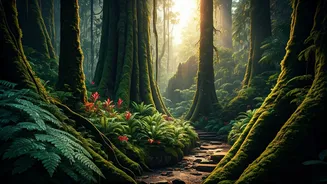
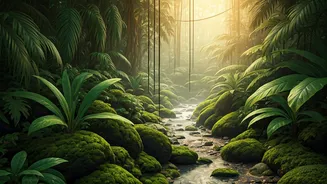
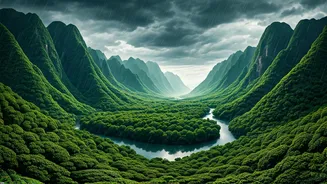
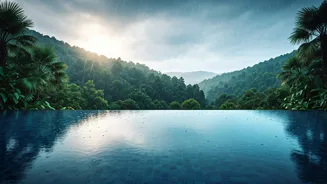
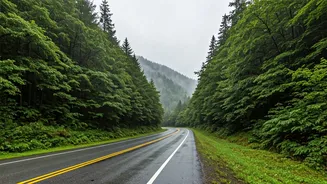
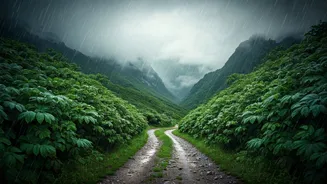
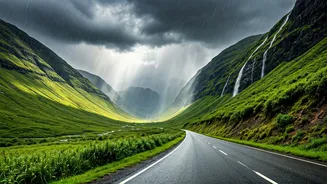
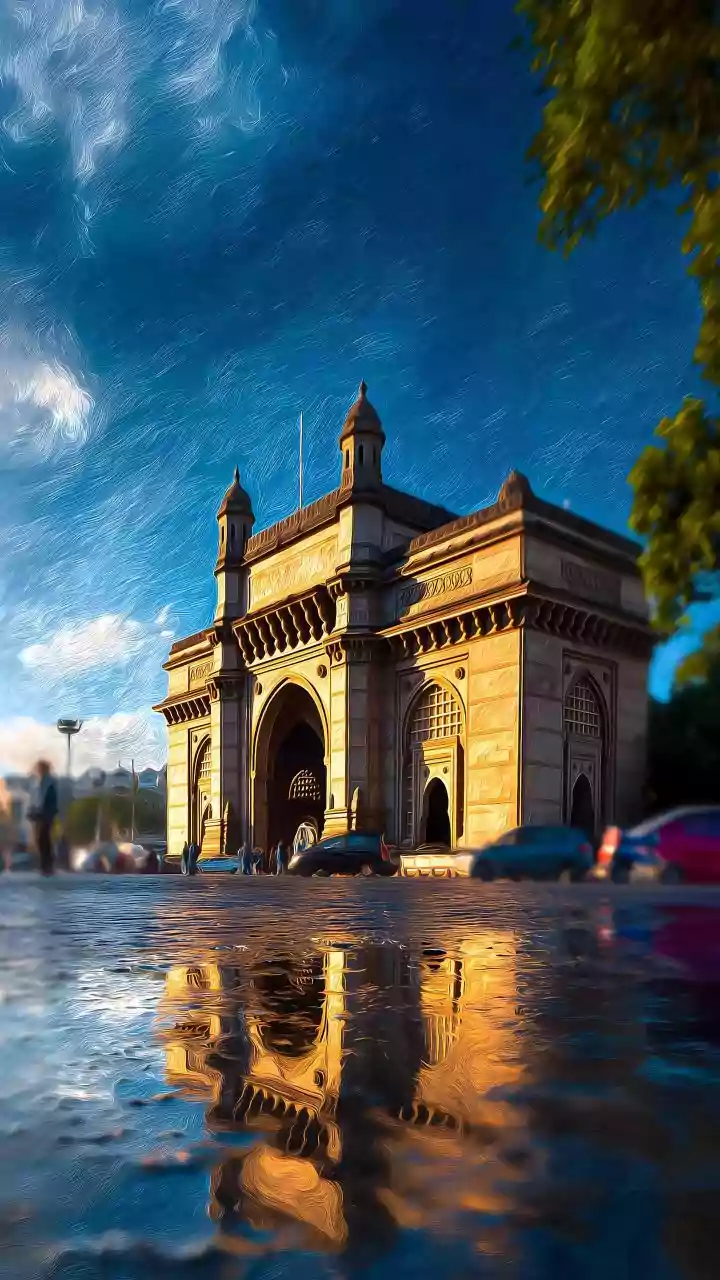
The magic of a monsoon isn’t just about the rain itself, but the transformation it brings. Dust-caked landscapes erupt into impossible shades of green. Waterfalls that are mere trickles for most of the year roar back to life. The air, thick with the scent of petrichor—that glorious smell of rain hitting dry earth—feels charged and electric. In places like Kerala, India, or Chiang Mai, Thailand, the monsoon is an event. Life slows to the rhythm of the downpours. The world outside your window becomes a moving painting of misty mountains, slick streets reflecting neon lights, and skies that shift from bruised purple to brilliant silver.
Instead of rushing from one tourist site to another, the monsoon invites you to pause. It’s the perfect excuse to spend an afternoon in a cozy café with a book, watching the world go by through a rain-streaked window. It encourages a slower, more contemplative style of travel that focuses on atmosphere rather than activity checklists.
Where the Scenery Steals the Show
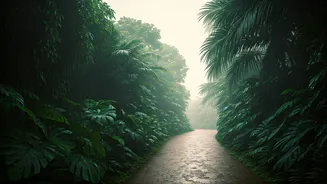
Not every destination wears the rain well, but some are made for it. In Southeast Asia, the “green season” is when rice paddies are at their most verdant and the jungles feel most alive. It’s a time of abundance and renewal. In Costa Rica, the afternoon showers keep the cloud forests mysterious and teeming with life, and you can often have pristine beaches almost to yourself in the mornings.
Closer to home, the American Southwest experiences its own dramatic monsoon season from July to September. Far from being a dreary affair, it’s a spectacular daily drama. Towering thunderheads build over the desert floor, leading to brief but intense storms that create jaw-dropping sunsets and fill the air with the scent of creosote. For photographers and nature lovers, witnessing a lightning storm over the Grand Canyon or the red rocks of Sedona is a bucket-list experience that sunny days simply can't offer.
The Practical Magic of the Off-Season
Beyond the aesthetics, there are compelling practical reasons to embrace a rainy-season trip. This is the off-season, which means fewer crowds and lower prices. You can experience iconic locations without the shoulder-to-shoulder crush of tourists, allowing for a more authentic connection to the place. Flights and accommodations are often significantly cheaper, stretching your travel budget further.
Of course, it requires a shift in mindset and a little preparation. You’ll want to pack a good waterproof jacket, choose accommodations with a comfortable place to relax during a downpour, and remain flexible with your plans. But the reward is a trip that feels less like a manufactured tourist product and more like a genuine, soul-stirring adventure.