
It’s Living Sculpture
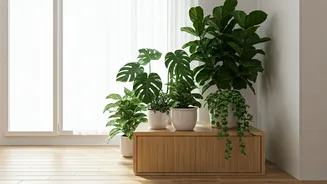
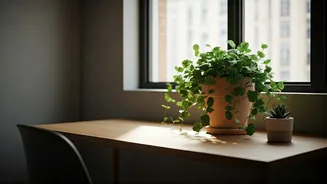
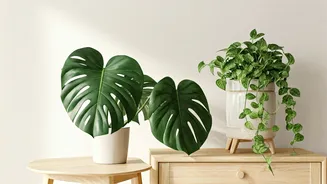
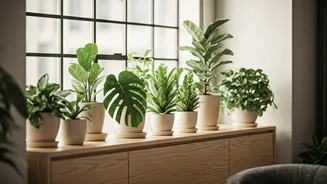
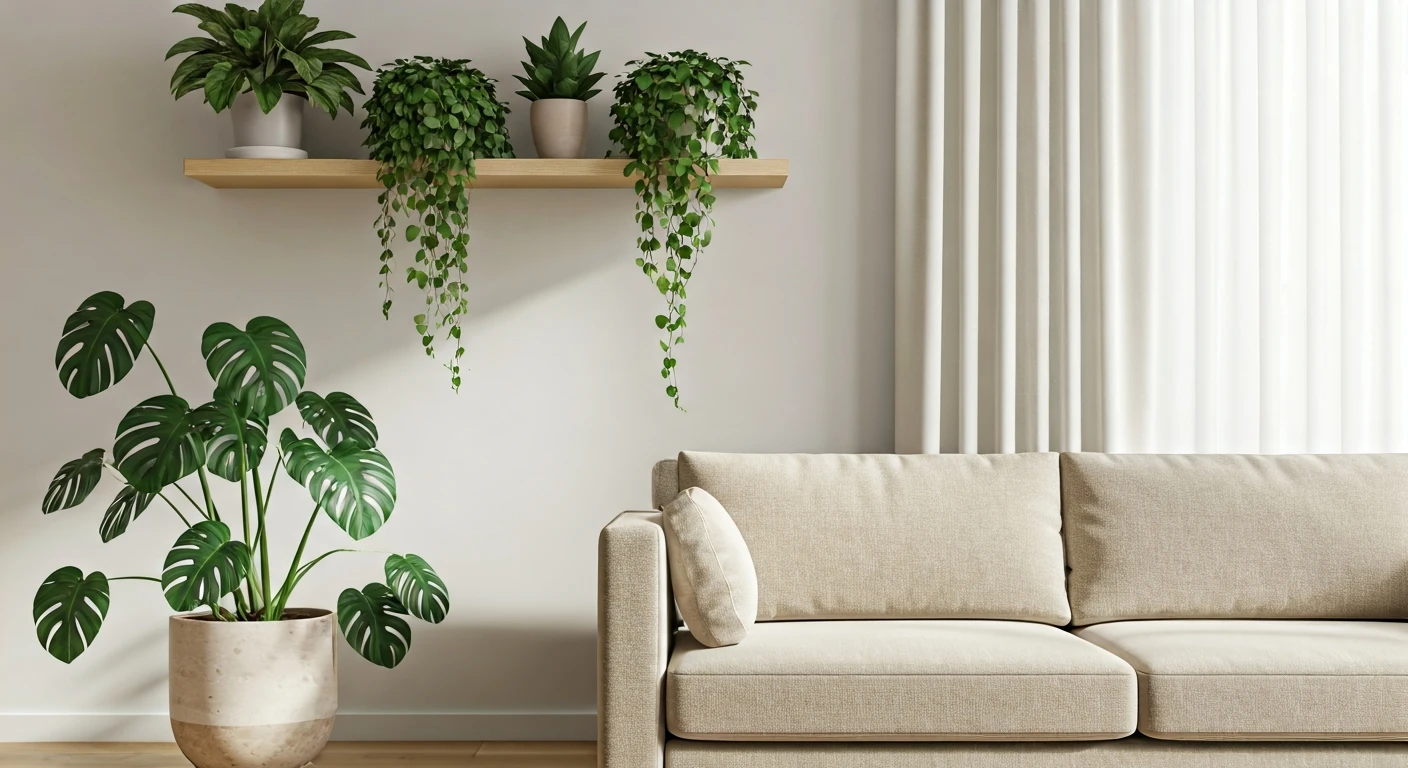
Forget static decor. A plant is a dynamic, ever-changing piece of art. A trailing pothos cascading down a bookshelf adds movement and life, while a stately fiddle-leaf fig can anchor a room with its architectural presence. Unlike a vase or a throw pillow,
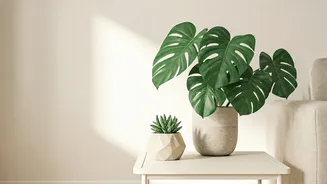
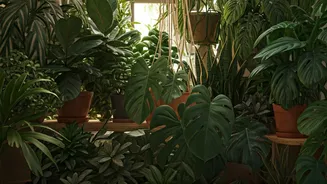
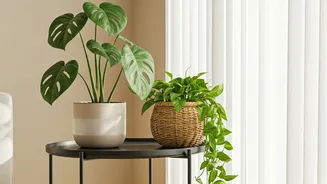
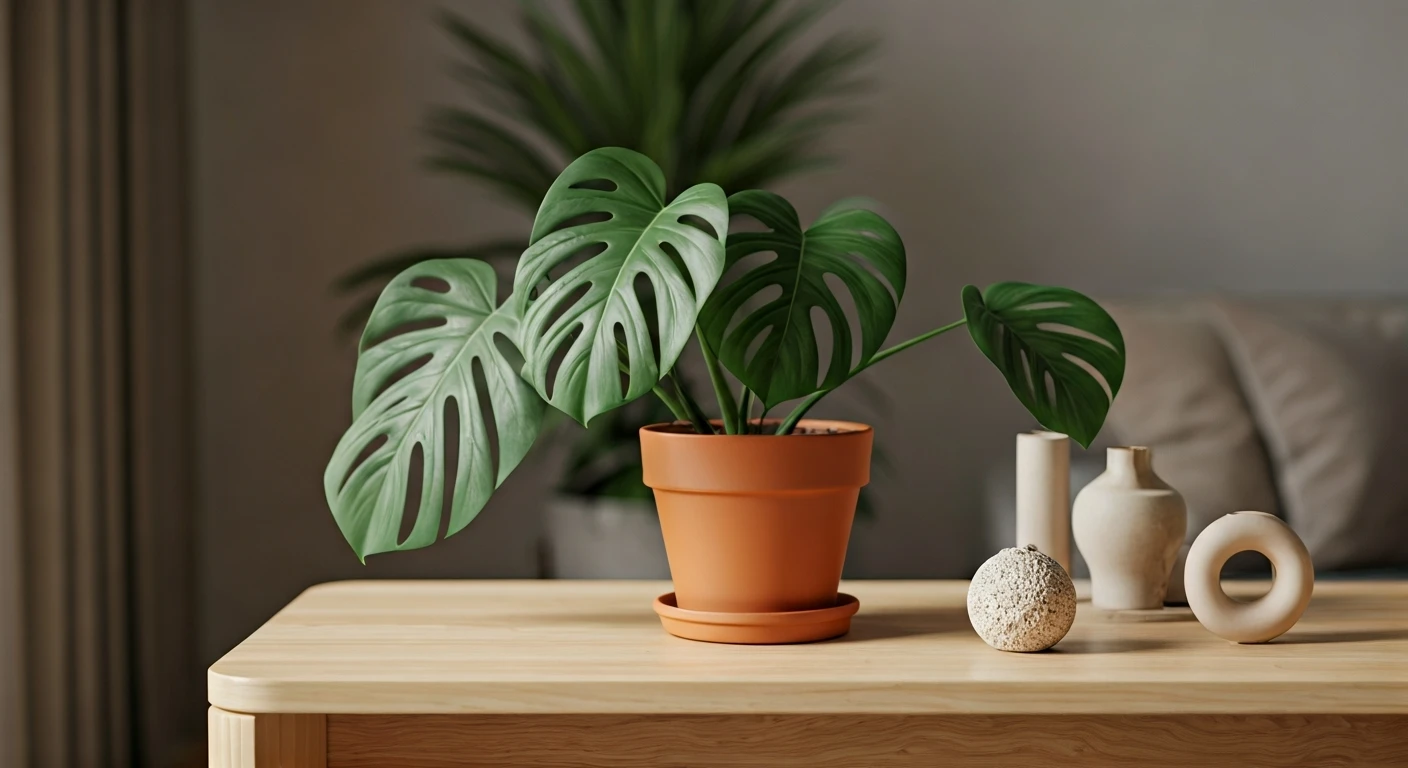
a plant evolves, unfurling new leaves and growing with you over time. This makes your decor feel more personal and alive. Whether you prefer the spiky, modern silhouette of a snake plant or the lush, tropical vibe of a monstera, there’s a plant to match every interior design style, from minimalist to bohemian.
A Natural Mood Booster
The calming effect of nature isn't just for the great outdoors. The concept of biophilia suggests that humans have an innate tendency to seek connections with nature. Bringing plants into your home taps into this instinct, creating a more serene and restorative environment. Studies have suggested that the simple act of caring for a plant can reduce stress and anxiety. The routine of watering, pruning, and watching something grow provides a gentle, mindful distraction from the pressures of daily life. In a world dominated by screens, having a touch of green can be a powerful antidote to digital fatigue and a simple way to foster a sense of well-being.
A Breath of (Slightly) Fresher Air
You may have heard about NASA's famous 1989 study on plants purifying the air. While turning your living room into a perfectly filtered biosphere would require an impossible jungle of greenery, houseplants do contribute to a healthier indoor environment on a smaller scale. Plants absorb carbon dioxide and release oxygen through photosynthesis, subtly freshening the air you breathe. Some, like spider plants and snake plants, are also known to be effective at filtering common indoor air pollutants like formaldehyde and benzene. While they're no substitute for a good air purifier, they are a beautiful, natural supplement to your home’s ecosystem.
Easy Starter: The Snake Plant
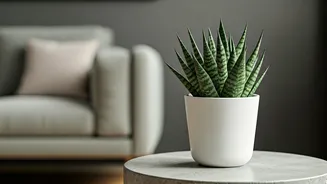
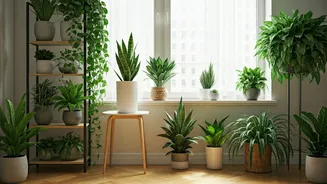
If you're convinced you have a “black thumb,” the snake plant (Sansevieria trifasciata) is here to prove you wrong. This is the undisputed champion of low-maintenance houseplants. Its stiff, upright leaves give it a modern, architectural look that fits into almost any decor. More importantly, it thrives on neglect. The snake plant prefers to dry out completely between waterings, so you’re more likely to harm it by overwatering than underwatering. It also tolerates low light, making it perfect for that dim corner where nothing else seems to survive. It's the ideal first plant for building your confidence.
Easy Starter: The Pothos
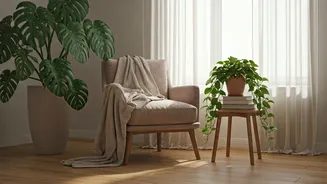
Known as the “devil’s ivy” for its near-immortality, the pothos (Epipremnum aureum) is another fantastic choice for beginners. Its heart-shaped, often variegated leaves grow on long, trailing vines, making it perfect for hanging baskets, high shelves, or even training to climb a wall. A pothos is very communicative; its leaves will start to droop slightly when it's thirsty, giving you a clear signal that it’s time to water. It’s incredibly forgiving and can tolerate a wide range of light conditions, from bright indirect light to lower-lit areas. If you want a plant that gives you lush, trailing results with minimal fuss, the pothos is your go-to.
Easy Starter: The ZZ Plant
The ZZ plant (Zamioculcas zamiifolia) is the ultimate set-it-and-forget-it houseplant. With its wide, dark green, glossy leaves, it looks almost too perfect to be real. This plant is exceptionally drought-tolerant thanks to its large, potato-like rhizomes that store water underground. You'll only need to water it once a month, or even less in low light. The ZZ plant is perfectly happy in a low-light office or a bedroom with little natural sun. Its slow-growing, consistently beautiful nature makes it a zero-stress addition to any home, providing maximum visual impact for minimal effort.