

Assignment 1: The Great Relocation
Your plants spent the summer soaking up long, bright days. Now, that same south-facing window might be the only spot in the house getting enough direct sun. The sun's angle is lower and the days are shorter, drastically reducing the amount of light available
indoors. Take a walk around your home and assess the new light patterns. That fiddle-leaf fig that was happy in the corner might now need to be front-and-center in your brightest room. Plants that can tolerate lower light, like snake plants or ZZ plants, can be moved to make way for your sun-lovers. Rotate your pots a quarter-turn every week to ensure all sides of the plant get some exposure, preventing lopsided growth as they lean toward the light source.
Assignment 2: Recalibrate Your Watering Can
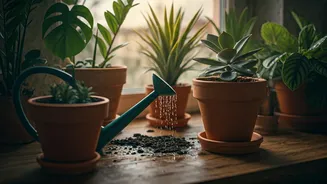
Overwatering is the number one killer of houseplants, and the risk skyrockets in winter. With less light and cooler temperatures, plants slow their growth and enter a state of dormancy. Their metabolic processes grind to a near halt, meaning they use far less water. Your weekly watering routine from July will quickly lead to root rot in December. Instead of watering on a fixed schedule, get in the habit of checking the soil first. Stick your finger two inches deep; if it feels dry, it’s time to water. If it’s even slightly damp, wait a few more days and check again. For most plants, this might mean stretching the time between waterings from one week to two, or even three.
Assignment 3: The Big Clean-Up and Pest Patrol
Your plants may have picked up some unwanted guests during their summer vacation outdoors or near open windows. Before you seal up your home for winter, it's crucial to do a thorough pest inspection. Check the undersides of leaves, the joints where leaves meet stems, and the surface of the soil for common culprits like spider mites, mealybugs, and fungus gnats. At the same time, give your plants a spa day. Dust, dirt, and grime accumulate on leaves, blocking what little precious light is available and hindering photosynthesis. Wipe down large leaves with a soft, damp cloth. For smaller, more intricate plants, a gentle rinse in the shower with lukewarm water will do the trick. This not only makes them look better but helps them breathe and absorb light more efficiently.
Assignment 4: Hold the Fertilizer
Just as you wouldn't force-feed someone who's trying to sleep, you shouldn't fertilize a dormant plant. During their active growing season in spring and summer, plants use the nutrients in fertilizer to push out new leaves and flowers. In the fall and winter, they are resting. Adding fertilizer now will, at best, go to waste in the soil. At worst, it can burn the plant's roots, which are not actively absorbing nutrients, causing permanent damage. Hold off on all fertilizer until you see the first signs of new growth in the spring, which is your plant's signal that it's waking up and ready for a meal.
Assignment 5: Boost the Humidity
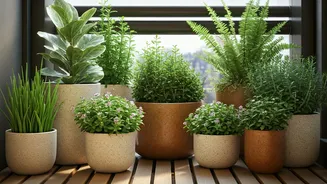
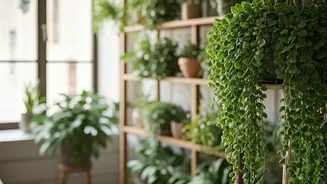
Central heating is a lifesaver for us, but it’s a nightmare for our plants, especially tropical ones. Heaters create a dry, desert-like environment, while most houseplants crave the humid conditions of their native rainforests. Brown, crispy leaf tips are a classic sign of low humidity. To combat this, group your plants together. As they transpire (release water vapor), they create a small, humid microclimate that benefits the entire group. You can also place your pots on pebble trays—shallow trays filled with pebbles and a bit of water. The pot sits on top of the pebbles, not in the water, and as the water evaporates, it increases the ambient humidity around the plant. For your most sensitive divas, a small humidifier is a worthy investment.