
A Nationwide Food Safety Alert
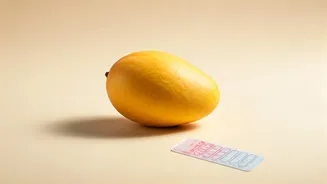
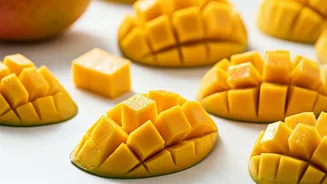
Before you enjoy that sweet, tropical flavor, take a moment to check your fridge and freezer. The Food and Drug Administration (FDA) has announced a significant recall of frozen and fresh-cut mango products distributed nationwide due to potential contamination
with *Listeria monocytogenes*. The initial recall, issued by Wawona Packing Co., has expanded to include products sold under various private-label brands at major retailers. The voluntary recall impacts items that were packaged earlier in the year but may still be in consumers' freezers. Because frozen fruit has a long shelf life, it’s crucial to check any mango products you might have purchased months ago. The recall affects a wide range of products, from bags of frozen mango chunks to fresh-cut fruit cups, making it essential for all households to take a quick inventory.
Which Mango Products Are Affected?
The recall is broad, so checking the specific brand and date code on your packaging is key. The initial recall from Wawona Packing covered mangoes sold under the Wawona brand with "Best By" dates between September 2022 and September 2023. However, the recall has since been expanded to include products Wawona supplied to other companies. This includes, but is not limited to: - **Trader Joe's:** Trader Joe's Organic Tropical Fruit Blend (check specific SKU and date codes on their website). - **Whole Foods:** Certain fresh-cut mango products and fruit medleys sold under the 365 by Whole Foods Market label. - **Walmart:** Great Value Mixed Fruit, Great Value Dark Sweet Cherries, and Great Value Mango Chunks (check for specific lot codes and “Best By” dates). - **Target:** Good & Gather brand Organic Cherries and Berries, and Mango-Strawberry Blend. - **Aldi:** Season's Choice Tropical Blend and Mixed Fruit. The FDA and the respective retailers have published detailed lists of the affected products, including specific lot numbers, UPC codes, and "Best By" dates. The best course of action is to visit the FDA's recall website or the website of the store where you purchased the mangoes for a complete and up-to-date list.
Understanding the Risk: What Is Listeria?
*Listeria monocytogenes* is a bacterium that can cause a serious infection called listeriosis. Unlike many other germs, Listeria can grow even in the cold temperatures of a refrigerator. Healthy individuals may only experience short-term symptoms like high fever, severe headache, stiffness, nausea, abdominal pain, and diarrhea. However, listeriosis can be far more serious, and even fatal, for certain vulnerable populations. This includes young children, elderly people, and individuals with weakened immune systems (such as those undergoing cancer treatment or living with HIV). The infection is particularly dangerous for pregnant women, as it can lead to miscarriages, stillbirths, premature delivery, or life-threatening infection in the newborn. Symptoms can appear a few days or even a couple of months after eating contaminated food, which can make it difficult to trace back to the source.
What to Do If You Have Recalled Mangoes
The official guidance from the FDA is clear: do not eat, sell, or serve the recalled mango products. If you find any of the affected items in your home, you have two primary options. You can either dispose of the product immediately in a sealed bag in your trash can (to prevent animals or other people from accessing it), or you can return it to the place of purchase for a full refund. Retailers involved in the recall are aware of the situation and have procedures in place for returns. After discarding the product, it's a good idea to thoroughly clean any surfaces it may have touched, including refrigerator shelves, freezer drawers, and countertops. Use hot, soapy water, and then consider sanitizing with a mild bleach solution (one tablespoon of unscented liquid chlorine bleach per gallon of water) to eliminate any lingering bacteria.