
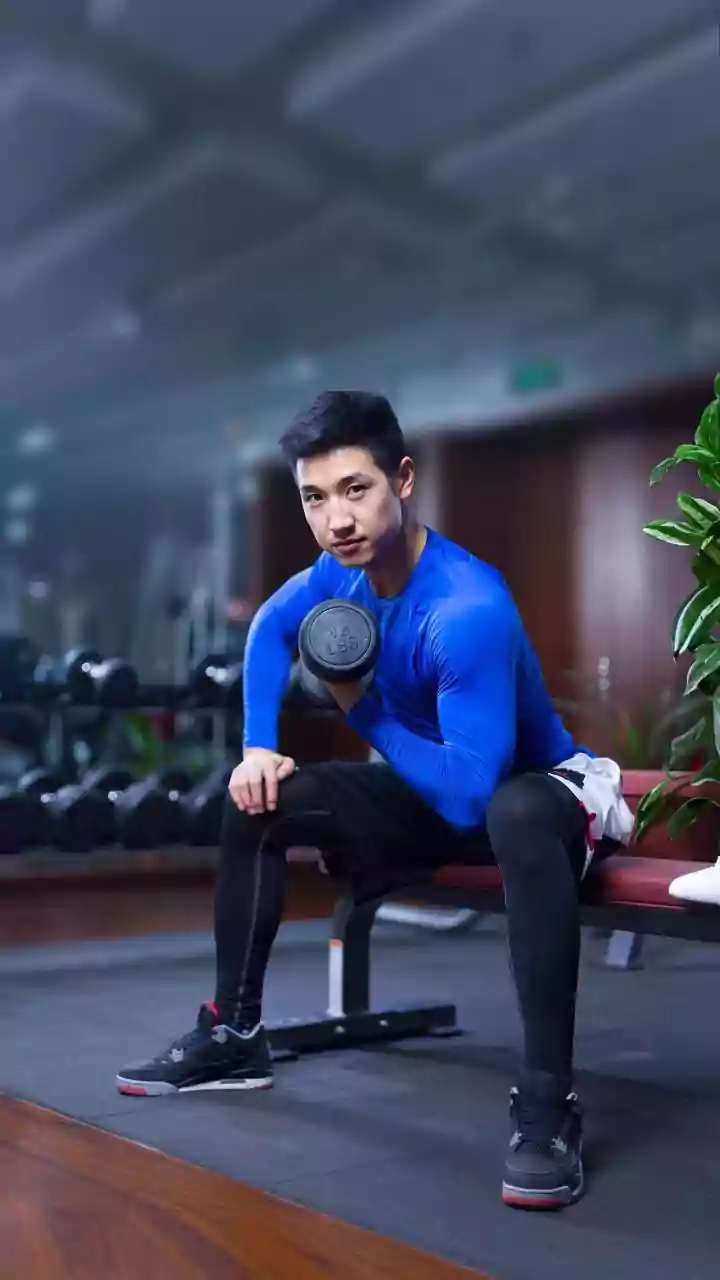
The Old World of Fitness
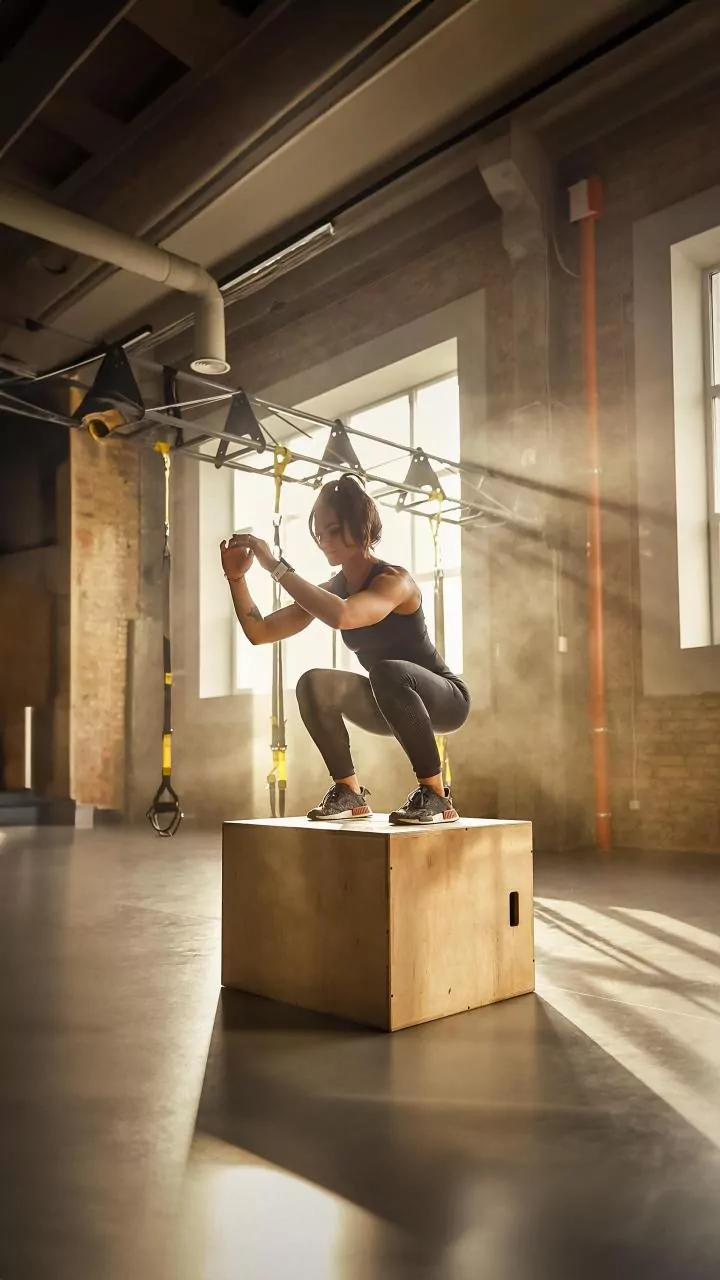
For years, the dominant fitness narrative was one of extremes. It was the world of high-intensity interval training (HIIT) that left you gasping on the floor, of pre-dawn CrossFit boxes, and of marathon training schedules that consumed weekends. Social
media, particularly early Instagram, amplified this culture, creating a visual feed of chiseled abs, personal bests, and the pervasive message that if your workout wasn't painful, it wasn't working. This “go hard or go home” philosophy set a high bar, suggesting that the only valid form of exercise was one that pushed you to your absolute limit. The problem with this all-or-nothing approach is baked into its name: if you couldn't give it your all, you often ended up doing nothing, trapped in a cycle of intense bursts followed by burnout and guilt.
Enter the ‘Something Is Better Than Nothing’ Era
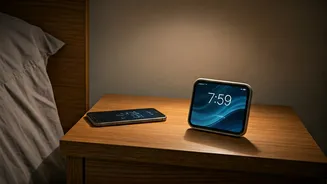
For many younger workers, especially Millennials and Gen Z who are navigating burnout in their professional lives, applying the same punishing logic to their personal wellness no longer makes sense. They are spearheading a counter-movement built on a simple, more forgiving premise: any movement is good movement. This philosophy decouples exercise from aesthetic goals or performance metrics and re-centers it around feeling good. It’s about sustainability. A 20-minute walk during a lunch break, a gentle stretching session before bed, or a low-key bike ride on a Sunday isn’t a “failure” for not being a 90-minute sweat session—it’s a victory. This shift prioritizes creating a habit that can be maintained for life, not just for the six weeks leading up to a vacation.
From HIIT to ‘Cozy Cardio’
This new mindset has given rise to a whole vocabulary of gentler fitness. The most prominent trend is “cozy cardio,” a term popularized on TikTok. It describes doing low-impact cardiovascular exercise, like walking on a treadmill or using an elliptical, in the most comfortable way possible—perhaps while watching a favorite TV show, listening to a podcast, or even wearing pajamas. Similarly, “soft workouts” and “lazy girl jobs” (a term for flexible, low-stress careers) share the same DNA. The goal is to lower the barrier to entry so much that exercise becomes an act of self-care, not another stressful obligation on an already crowded to-do list. This also includes embracing activities that don't feel like traditional exercise, such as long walks with friends, pickleball, or dancing, and counting them as part of a healthy, active lifestyle.
A Rebellion Against Hustle Culture
This fitness evolution isn’t happening in a vacuum. It is a direct rebellion against the broader “hustle culture” that dominated the 2010s, which glorified relentless optimization in all areas of life, including health. Young workers are increasingly seeking balance and protecting their mental health. They saw a generation before them burn out chasing impossible standards, and they are consciously choosing a different path. For them, a workout’s success is no longer measured by calories burned or pounds lifted, but by its impact on stress levels and mood. If a workout leaves you feeling anxious or defeated, it’s not serving its purpose. This movement is also intertwined with body neutrality and acceptance, moving away from the idea that bodies need to be constantly worked on and “fixed” toward an appreciation for what they can do, however gentle that movement may be.
How the Fitness Industry Is Adapting
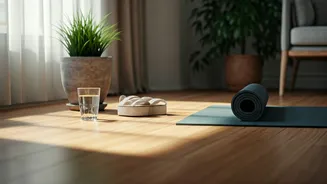
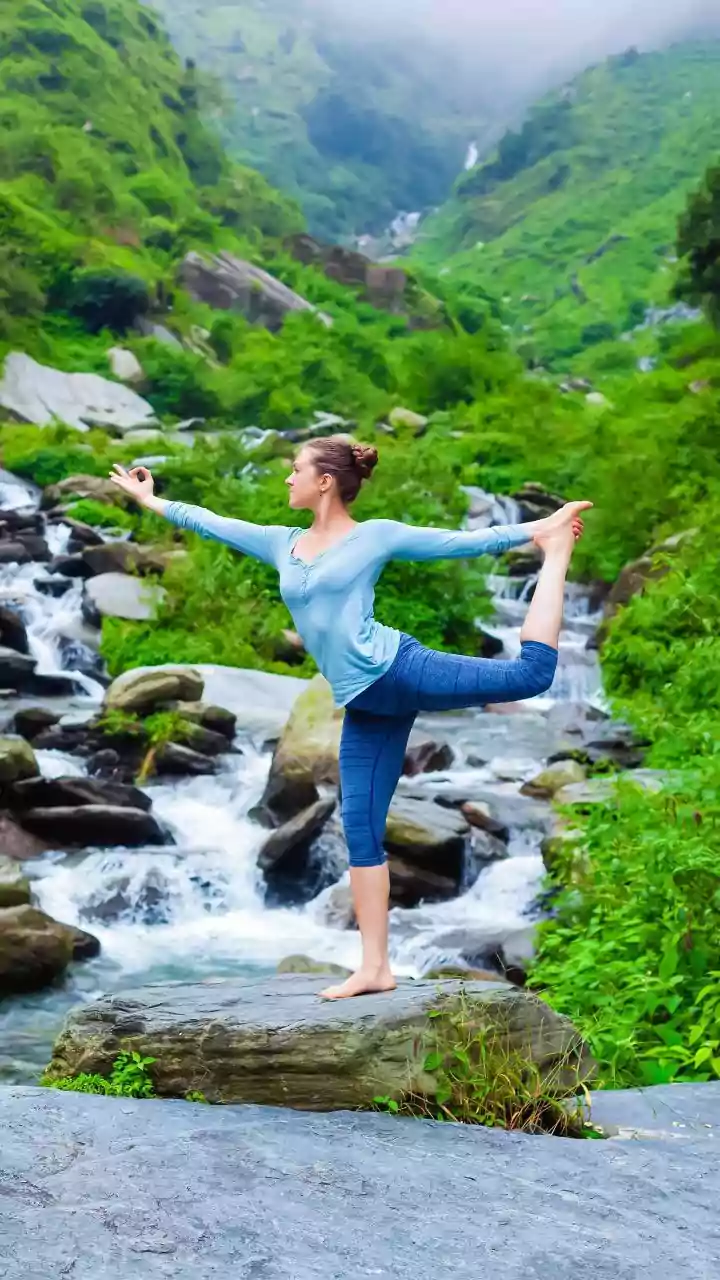
Smart brands and gyms are paying close attention. Boutique studios are adding more low-impact, mobility, and restorative classes to their schedules. Fitness apps are highlighting guided walks, meditation, and stretching sessions alongside their high-intensity offerings. The marketing language is also changing. The focus is shifting from “shredding” and “transforming” your body to enhancing your well-being, finding joy in movement, and building a community. The influencers who are gaining traction are no longer just the super-athletes but also the relatable creators who show themselves doing a 15-minute yoga flow in their living room. They are proving that fitness doesn't have to be a performance; it can simply be a part of living a fuller, less stressful life.