

From Hard Adventure to Soft Experience
First, what exactly is 'soft travel'? If 'hard travel' is about summiting mountains, navigating rugged terrain, or pushing physical limits, soft travel is its restorative counterpart. It prioritizes comfort, relaxation, and low-impact activities that
engage the senses without draining your energy. Think less about a packed itinerary of sights and more about the quality of the experience itself. It’s about slowing down, connecting with a destination on a deeper level, and returning from a trip feeling refreshed, not exhausted. This isn't a new concept—it shares DNA with 'slow travel' and 'wellness tourism'—but its application to nature’s most fleeting events, like flower blooms, marks a significant shift in how we approach seasonal travel.
Why We're Craving Calmer Blooms
The appeal of soft travel is deeply rooted in our modern condition. In a world of constant notifications and pressure to perform, the idea of a vacation that adds to the stress is losing its appeal. The chaotic scenes from recent California superblooms or Washington, D.C.'s cherry blossom peak—with traffic jams, closed-off areas, and hordes of people vying for the same selfie—have led many travelers to ask: Is there a better way? The answer, for an increasing number, is yes. The pandemic amplified a collective desire for more mindful, less-crowded experiences that nurture well-being. A flower-viewing trip is no longer just about capturing proof for Instagram; it's about the therapeutic act of being in nature, breathing fresh air, and marveling at ephemeral beauty without the rush.
The Anatomy of a Soft-Travel Flower Trip
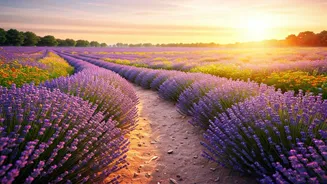
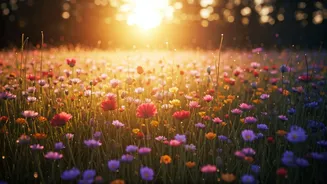
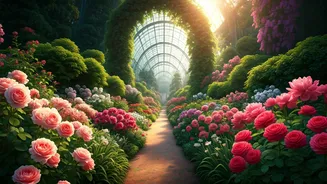
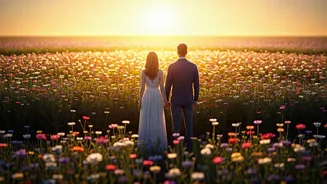
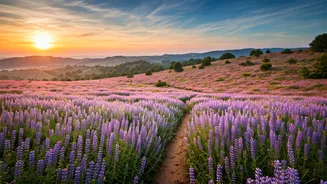
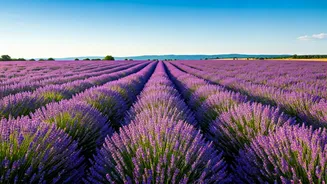
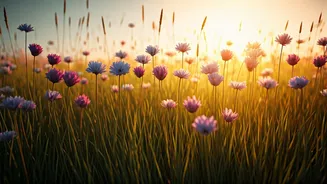
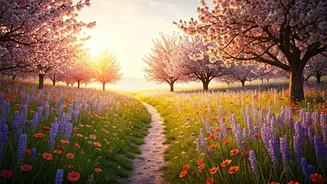
So, what does this look like in practice? A soft-travel approach to flower season swaps the checklist for a set of intentions. Instead of battling crowds at the most famous viewpoint, it might mean waking up for a quiet sunrise visit before anyone else arrives. It could involve booking a stay at a boutique hotel or a cozy inn slightly outside the main hub, allowing for a peaceful retreat after a day of exploring. The activities themselves are gentler. Imagine a picnic in a field of wildflowers instead of a quick stop on a bus tour. Picture taking a watercolor painting class in a botanical garden, booking a guided meditation walk among the blossoms, or simply finding a quiet bench and spending an hour just observing. The focus shifts from 'seeing' the flowers to 'experiencing' them with all your senses.
Where Petals and Peace Coexist
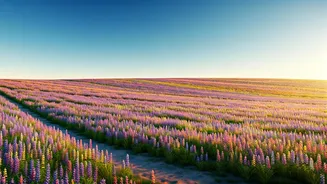
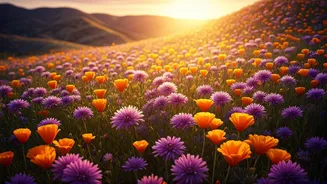
This philosophy can be applied to any flower destination. For the cherry blossoms in Washington, D.C., it could mean skipping the jam-packed Tidal Basin in favor of the sprawling, serene U.S. National Arboretum or exploring the blossom-lined residential streets of a quiet neighborhood. When the tulips bloom in Washington's Skagit Valley, a soft approach might pair a morning visit to a less-famous farm with a leisurely bike ride through the countryside and a farm-to-table dinner. And for California’s notoriously popular superblooms, it could mean forgoing the main parks for a guided hike in a state nature preserve or visiting a dedicated botanical garden that cultivates native wildflowers, offering all the beauty with none of the traffic-induced frustration.