
The Original Gut Health Gurus
The American wellness scene has a familiar rhythm: a new superfood or ancient practice is “discovered,” packaged, and sold back to us as the key to a better life. We’ve seen it with kale, quinoa, and matcha. But the latest trend isn’t a novelty; it’s
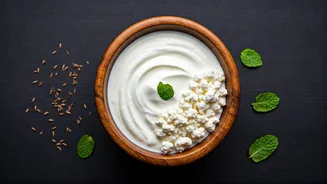
a return to the foundational flavors of one of the world’s oldest culinary traditions. Desi—a term for the people and cultures of the Indian subcontinent—fermented foods are having a major moment, and it’s not because of clever marketing. It’s because they represent a form of wellness that is authentic, delicious, and deeply rooted in home cooking. For centuries, fermentation in South Asian households wasn’t a trend; it was a necessary and ingenious method of preservation and flavor development. From the tangy batters of the south to the pungent pickles of the north, these techniques transformed simple ingredients into complex, nutrient-dense staples that are now being recognized for what they’ve always been: gut-health powerhouses.
More Than Just Dosa and Idli
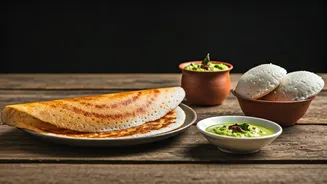
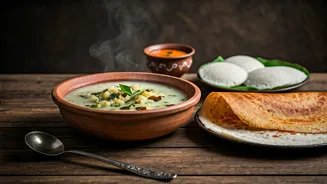
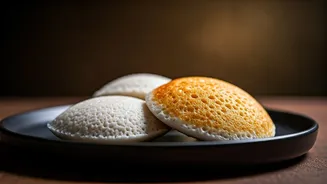
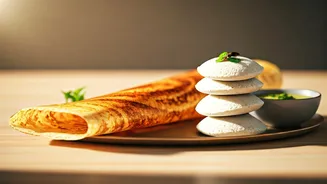
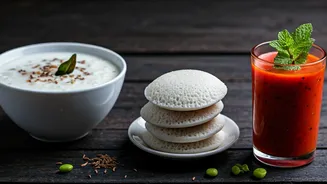
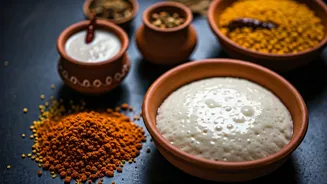
When you think of fermented Indian food, your mind might go straight to the beloved South Indian duo of dosa and idli. And for good reason. These dishes, made from a naturally fermented batter of rice and lentils, are a masterclass in culinary alchemy. The fermentation process not only creates the batter’s signature sour tang and airy texture but also breaks down the grains, making them easier to digest and their nutrients more bioavailable. A fluffy idli or a crisp, golden-brown dosa is more than a meal; it’s a prebiotic and probiotic-rich food that has nourished millions for generations.
But the world of Desi fermentation extends far beyond the breakfast plate. It’s a vast and varied universe of flavor. It's the crisp, tangy *dhokla* from Gujarat, a savory steamed cake made from fermented chickpea flour. It's the slow-fermented breads of Kashmir and the complex, funky flavors of dried fish and vegetables in the Northeast.
Kanji and Achaar: The Flavor Bombs
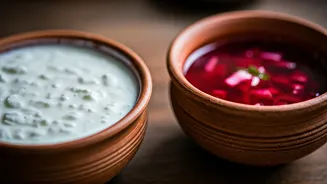
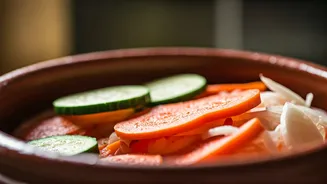
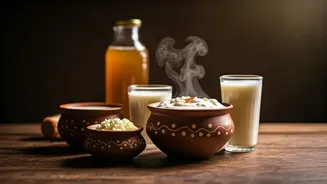
Two other pillars of Desi fermentation are *kanji* and *achaar*. Kanji is a probiotic-rich drink, traditionally made in North India during the spring. Its most popular form uses black carrots, which are fermented in water with mustard seeds and other spices. The result is a stunningly purple, tangy, and slightly spicy beverage that makes kombucha seem tame by comparison. It’s a seasonal, homemade tonic designed to aid digestion and prepare the body for the changing seasons.
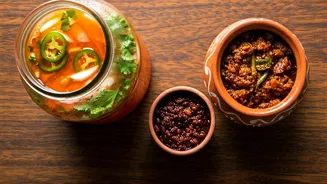
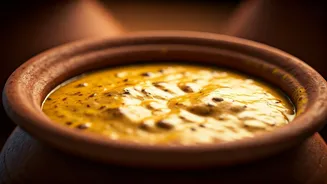
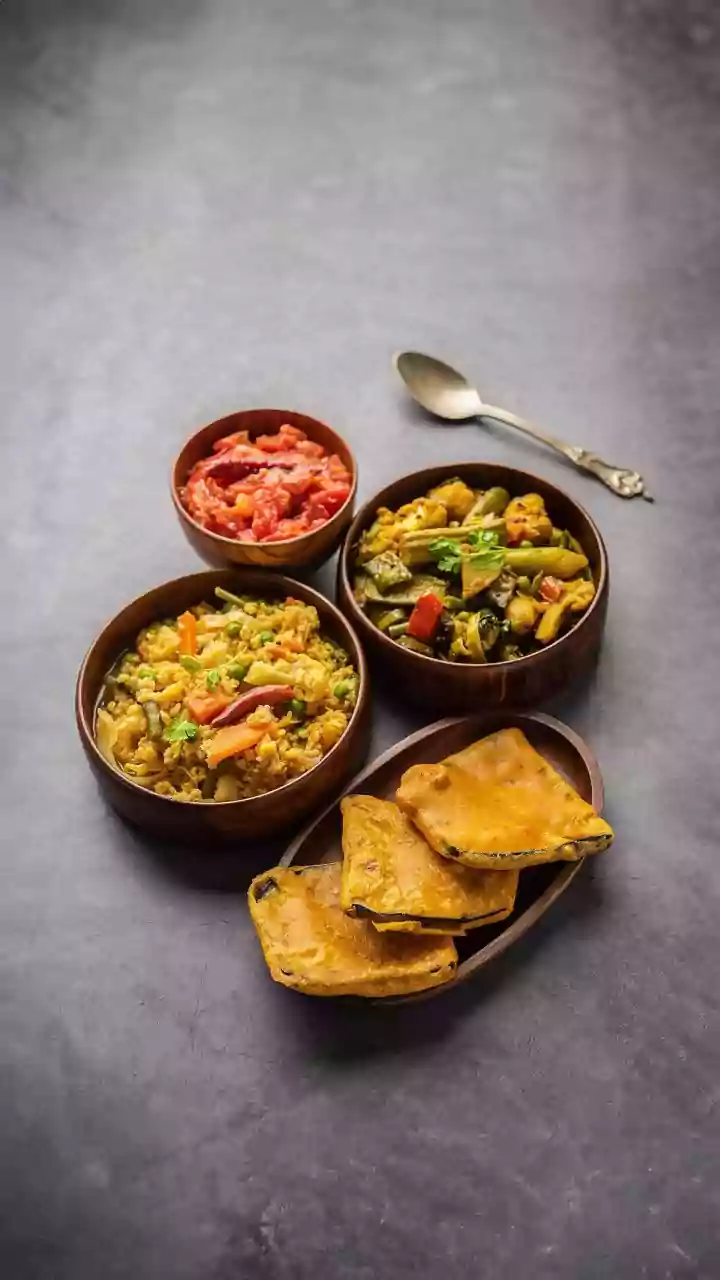
Meanwhile, *achaar* (South Asian pickle) is a universe unto itself. Unlike the vinegar-pickled cucumbers common in the U.S., most traditional achaars are lacto-fermented in salt, spices, and oil. Everything from mangoes and lemons to cauliflower and chilies is preserved this way. This slow fermentation creates an intensely savory, spicy, and sour condiment packed with umami and beneficial bacteria. A tiny spoonful of achaar can transform a simple meal of rice and lentils, proving that wellness can—and should—be incredibly flavorful.
Why Now? A Trend Rooted in Authenticity
So why is this ancient practice gaining traction in the U.S. now? Part of it is the broader obsession with gut health and the microbiome. As Americans look for whole-food alternatives to probiotic pills, these naturally fermented foods are an obvious and appealing choice.
But there’s a deeper, more cultural reason. A new generation of Desi-American chefs, food writers, and entrepreneurs are proudly sharing the foods of their heritage, moving them from the home kitchen to the mainstream. They are challenging the notion that their cuisine needs to be watered down for American palates. Instead, they’re celebrating its complexity, including the funky, sour, and fermented notes that were once considered “too ethnic.” In doing so, they’re offering a vision of wellness that’s not about restriction or expensive powders, but about embracing time-tested, delicious, and culturally rich food traditions.