


The Rise of Aspirational Convenience
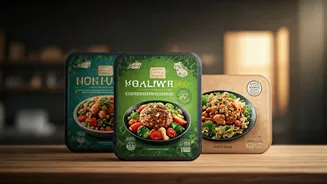
Walk down the frozen or refrigerated aisle and you’ll see the shift. Gone are the days when 'packaged meal' exclusively meant a bland, high-sodium TV dinner. Today, boxes feature vibrant photos of quinoa bowls, crisp vegetables, and grilled chicken. Brands
are responding to a powerful modern dilemma: we are time-poor but health-conscious. We aspire to cook nutritious meals from scratch, but our schedules often don't allow for it. These meals offer a compelling shortcut, promising the benefits of a wholesome diet without the prep work. This trend isn’t just in your head; market data shows a significant surge in demand for ready-to-eat meals that position themselves as fresh, natural, and aligned with dietary trends like keto, paleo, and plant-based eating.
Decoding the 'Health Halo'
The primary tool in the marketing playbook for these meals is the 'health halo.' This is a cognitive bias where we perceive an entire product as healthy based on one or two positive attributes. Seeing words like 'organic,' 'kale,' 'avocado oil,' or 'plant-based' on the front of a box can make us automatically assume the meal is a good choice. We might be less likely to flip it over and check the sodium or sugar content. A 'plant-based' burrito bowl can still contain over 1,000 milligrams of sodium (more than 40% of your daily recommended intake). A 'keto-friendly' dessert can still be packed with saturated fat and artificial sweeteners. The halo effect encourages us to judge a book by its very carefully designed cover.
Translating Front-of-Box Buzzwords
The front of the package is prime real estate for marketing, not necessarily for facts. It’s crucial to understand what these popular terms actually mean—and what they don’t.
* **'Natural':** This term is notoriously vague. The FDA has a long-standing policy that 'natural' means nothing artificial or synthetic has been included in a food that would not normally be expected. However, it doesn't regulate production methods or speak to nutritional content. A 'natural' product can still be high in sugar, salt, and fat.
* **'Made with Real Fruit':** This doesn't tell you how much fruit is included. It could be a tiny, concentrated amount, with the majority of the flavor and sweetness coming from added sugar or 'natural flavors.'
* **'Gluten-Free':** This is a critical label for those with celiac disease or gluten sensitivity. For everyone else, it says nothing about the healthfulness of a product. A gluten-free cookie is still a cookie.
Your True Guide: The Nutrition Facts Panel
The real story is always on the back of the box. Ignore the marketing and become fluent in reading the Nutrition Facts panel and the ingredient list. These are regulated and provide the objective data you need to make an informed choice.
* **Serving Size:** First, check the serving size. A package that looks like a single meal may technically be two servings, meaning you need to double all the numbers if you eat the whole thing.
* **Sodium:** This is a major culprit in packaged meals. Look for options under 600 mg per serving, and ideally closer to 400 mg.
* **Added Sugars:** This line item is now mandatory and incredibly useful. Many savory meals contain hidden sugars. Aim for as little as possible, ideally single digits.
* **Fiber and Protein:** These are what keep you full and satisfied. Look for meals with at least 5 grams of fiber and 15-20 grams of protein.
* **Ingredient List:** The shorter, the better. If the list is full of chemical names you can't pronounce, it's a sign the product is highly processed. Ingredients are listed by weight, so the first three to five ingredients make up the bulk of the meal.
A 30-Second Checklist for Healthier Choices
When you’re standing in the aisle, overwhelmed by choice, run through this quick mental scan:
1. **Ignore the front.** Go straight to the Nutrition Facts.
2. **Check sodium first.** Is it under 600 mg?
3. **Find the added sugars.** Are they low or zero?
4. **Look for fiber.** Is there a meaningful amount (5g+)?
5. **Scan the ingredients.** Do they look like real food?