
An Explosion of Flavor Known as Chaat
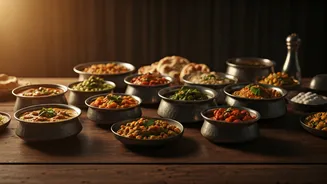
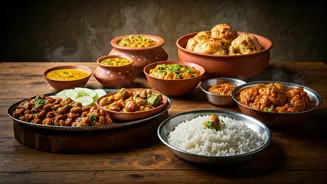
Before you can understand the products, you have to understand the source: chaat. The term, which literally means “to lick,” refers to a sprawling category of Indian savory snacks known for their complex, multi-layered flavors and textures. This isn’t
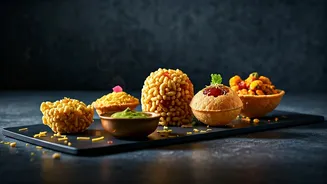
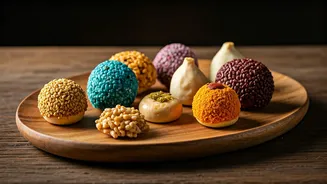
just about salt or heat; it’s a symphony of tangy tamarind, zesty herbs, sweet yogurt, spicy chilies, and the crucial element of crunch. Think of bhel puri, a mix of puffed rice, finely chopped onions, potatoes, and chutneys, or pani puri, where hollow, crispy spheres are filled with flavored water, chickpeas, and spices, bursting in your mouth in a single, unforgettable bite. For decades, enjoying these treats in the U.S. meant a trip to a specialty restaurant or an Indian grocery store. Now, that experience is being deconstructed and packaged for mass consumption.
Why Now? A Perfect Storm for New Tastes
This trend isn't happening in a vacuum. It’s the result of several powerful currents converging. First, the growing and increasingly influential Indian diaspora in the U.S. represents a core market hungry for a taste of home, but with the convenience of a packaged snack. Second, a younger generation of American consumers, particularly Gen Z, has grown up with a more globalized palate. They actively seek out bold, authentic flavors and are less loyal to the legacy brands their parents ate. The pandemic also accelerated this shift, as homebound consumers explored world cuisines through their own kitchens and pantries, becoming more adventurous eaters. Food industry analysts note that after years of “global flavor” meaning a vague sriracha or gochujang swirl, consumers are ready for more specific, regional, and authentic taste profiles. The Indian street food category, with its inherent vegan and gluten-free-friendly options (many snacks are based on lentils, chickpeas, or rice), fits perfectly into modern wellness trends as well.
From Street Cart to Shopping Cart
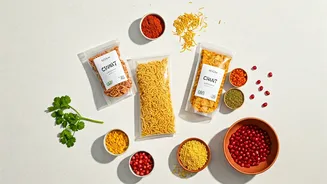
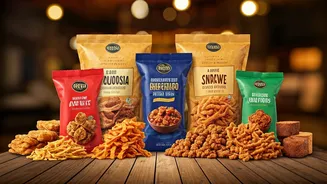
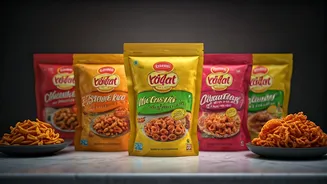
The new guard of snack companies isn't just imitating flavors; they're reimagining formats for the American consumer. You might find extruded puffs that taste of spicy-tangy pani puri, potato chips seasoned with jhal muri spices, or crunchy lentil sticks that mimic the texture of sev, a popular crispy noodle topping. Brands like The Desi Trub and To Be Honest have made headlines by creating products that are unabashedly Indian in their flavor profile but presented in familiar, convenient packaging. They are making a strategic bet: that the American consumer is ready to trade a bag of sour cream and onion chips for one flavored with tamarind and chili. This often involves a degree of consumer education. Packaging might include brief explanations of the flavor's origin, while marketing focuses on the sensory experience—the crunch, the spice, the tang—to entice newcomers who might not know bhel puri from a potato chip.
The Billion-Dollar Snack Aisle Showdown
For these emerging brands, the challenge is immense. They are not just competing with each other, but with the multi-billion dollar marketing budgets and logistical dominance of giants like Frito-Lay and Kellogg's. Gaining shelf space in major retailers is a hard-fought battle, and convincing a shopper to take a chance on an unfamiliar product is the central challenge. Yet, the opportunity is equally massive. The U.S. snack market is worth over $100 billion, and even a small slice of that pie is a significant prize. These challenger brands are betting that authenticity is their secret weapon. By refusing to water down the flavors that make chaat so beloved, they offer a genuine alternative to the homogenized options that have long dominated the market. They are making a “snack play” that is as much about cultural storytelling as it is about commerce, arguing that the future of American snacking is more diverse, more complex, and a lot more exciting.