



The Original Blueprint: A Meal in a Universe
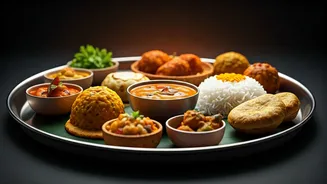
First, for the uninitiated: what is a thali? In its purest form, a thali (meaning “plate” or “platter”) is a complete Indian meal served on a single, often round tray. It’s not just a dish; it’s a beautifully balanced ecosystem. Nestled on the platter are
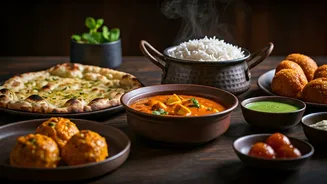
several small bowls called katoris, each containing a different preparation. A traditional thali is a masterclass in culinary theory, designed to hit all six tastes recognized by Ayurveda: sweet, salty, sour, pungent, bitter, and astringent. You’ll typically find a variety of textures and flavors: a creamy dal (lentils), a couple of vegetable dishes (sabzis), a tangy yogurt raita, a sour pickle, a crunchy papadum, and perhaps a small, sweet dessert. Piled in the center or on the side are rice and flatbreads like roti or chapati for scooping it all up. Each region of India has its own signature thali—a spicy Rajasthani version is a world away from a coastal Goan seafood thali—but the principle remains the same: balance, variety, and a whole lot of deliciousness on one platter.
Enter the Remix: Deconstructing a Classic
For generations, the thali was a constant, a symbol of wholesome, home-style cooking. But now, a new wave of chefs across India's bustling culinary landscape is treating the thali not as a sacred, untouchable artifact, but as a creative format. They’re asking, “What else can this platter do?” The result is an explosion of innovation that’s turning the humble thali into one of the most exciting dining trends in the country. This isn't about disrespecting tradition. It's about using the thali’s familiar structure as a canvas for new ideas. Just like a DJ isolates a drum beat or a bassline, these chefs are isolating the core concept—a variety of small, complementary portions served together—and running with it. They are breaking the unwritten rules, playing with themes, ingredients, and even times of day, proving the format’s incredible versatility.
The New Wave of Thalis
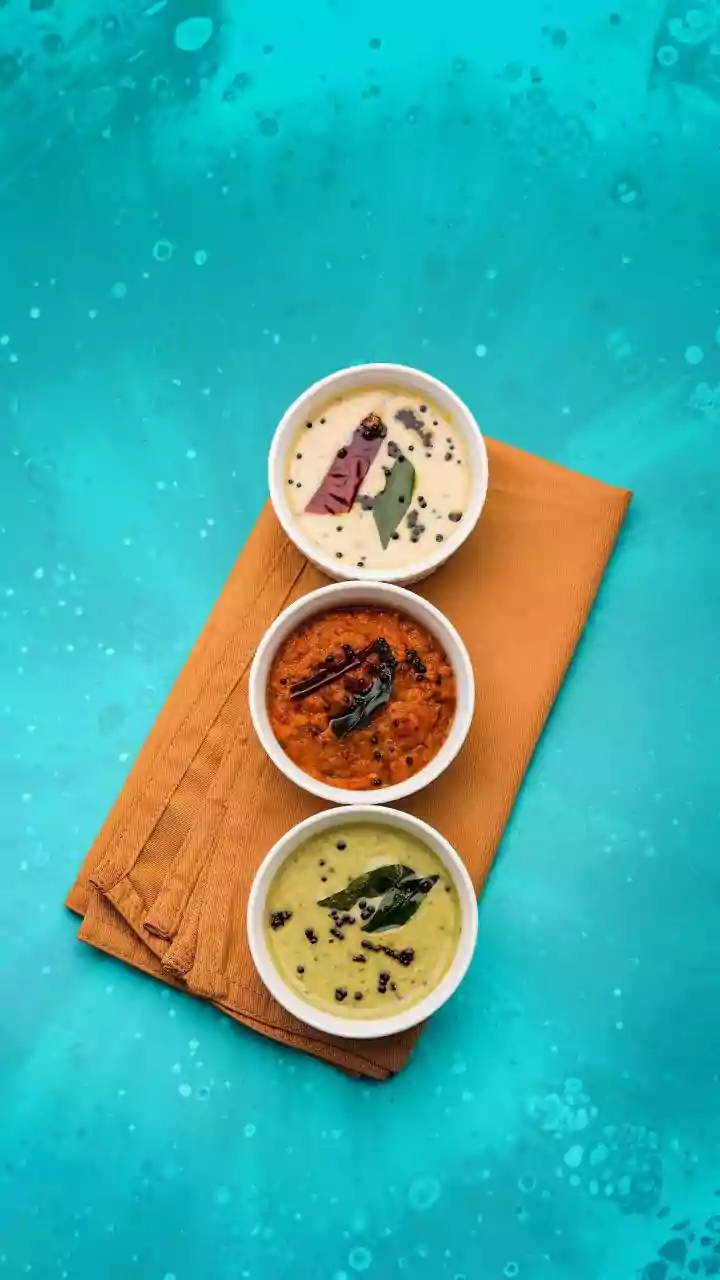
So what do these “remixed” thalis look like? Imagine starting your day with a “Breakfast Thali,” featuring miniature uttapams, a tiny bowl of savory upma, a spoonful of coconut chutney, and a shot of filter coffee. Or ending a meal with a “Dessert Thali,” an Instagram-famous creation where the katoris are filled with a dozen different sweets, from a bite-sized gulab jamun to a tiny scoop of saffron ice cream and a sliver of pistachio barfi. Chefs are also creating hyper-specific conceptual thalis. You might find a “Monsoon Thali” featuring seasonal fried snacks and spiced tea, or a “Mango Thali” during summer where every single component, from the savory curry to the sweet lassi, incorporates the king of fruits. Some are even using the format to explore other cuisines, crafting “Pan-Asian Thalis” with bowls of dim sum, sushi, and kimchi, or “Italian Thalis” with mini portions of different pastas and antipasti. The platter has become a playground for culinary storytelling.
Why Now? A Perfect Storm of Factors
This thali renaissance isn't happening in a vacuum. Several factors are fueling the trend. Firstly, social media. A well-composed thali, with its vibrant colors and geometric arrangement of bowls, is incredibly photogenic—a ready-made grid post. Restaurants have leaned into this, creating visually stunning platters that are as much a feast for the eyes as for the stomach. Secondly, it reflects a shift in dining culture. Today’s diners, especially younger ones, crave both novelty and comfort. The remixed thali offers the best of both worlds: the comforting, familiar format of a thali combined with the thrill of trying something new and unexpected. It’s also a response to a new generation of Indian chefs, many of whom have trained internationally but are now returning to explore and celebrate their own culinary heritage with modern techniques and a global perspective. They see the thali not as a limitation, but as a framework for endless creativity.