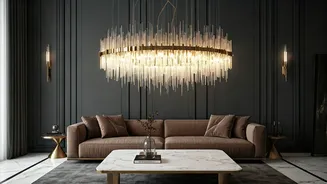


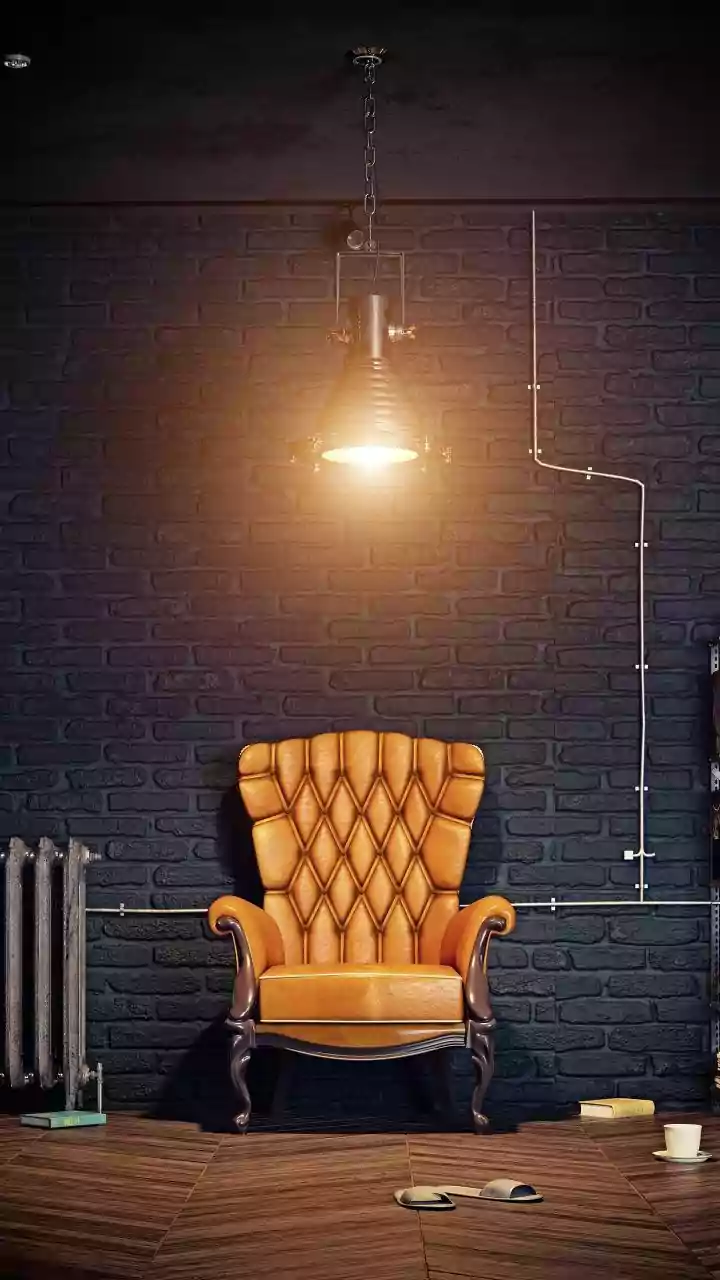

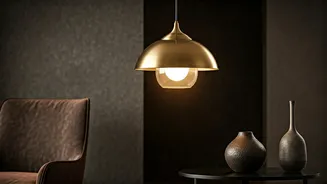
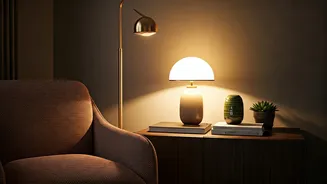
What Is Statement Lighting, Really?
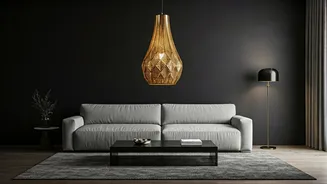
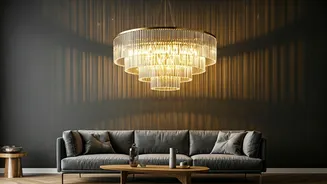
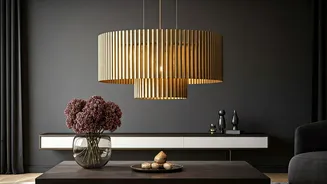
Think of statement lighting as functional sculpture. It’s not just about illumination; it’s about making a deliberate design choice that commands attention. Unlike a recessed can light that’s meant to disappear, a statement fixture is a focal point. It could
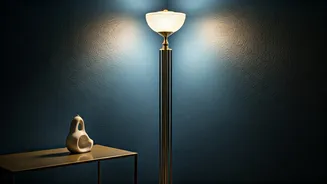
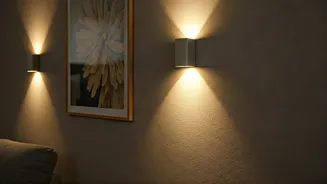
be an oversized pendant, a cascading chandelier, a sculptural floor lamp, or a dramatic sconce. The key elements are scale, material, and form. A statement piece is often larger than standard fixtures, crafted from interesting materials like brass, crystal, woven rattan, or colored glass, and possesses a unique shape that draws the eye. It’s the piece that makes guests look up and say, “Wow, where did you get that?” It sets the tone for the entire room, anchoring the space with a single, powerful gesture.
The High-Impact, Low-Effort Upgrade
The “shortcut” in the headline isn’t an exaggeration. While changing flooring, painting walls, or buying a new sofa involves significant time, cost, and disruption, swapping a light fixture is a comparatively simple project with an outsized return on investment. One bold fixture can redefine a room’s entire atmosphere. A dramatic chandelier can make a dining room feel grand and celebratory. A spidery, modern pendant can lend an artistic, curated vibe to a living room. An elegant, oversized floor lamp can turn a forgotten corner into a cozy, intentional reading nook. It achieves what a dozen small decorative accessories cannot: it instantly elevates the perceived quality and intentionality of the space without requiring a complete overhaul.
How to Choose Your Centerpiece
Selecting the right piece can feel daunting, but a few principles simplify the process. First, consider scale. A common mistake is choosing a fixture that’s too small. In a foyer or over a dining table, you can usually go bigger than you think. A good rule of thumb for a dining room is to find a chandelier that is about one-half to two-thirds the width of your table. Second, think about height. The bottom of a fixture over a dining table should hang 30-36 inches above the surface. In a living room or entryway, ensure there’s at least seven feet of clearance for foot traffic. Finally, match the mood, not necessarily the style. Your lighting doesn’t have to perfectly match your furniture. In fact, a vintage crystal chandelier in a modern room can create a fascinating, dynamic tension. Focus on the feeling you want to create: glamorous, earthy, minimalist, or eclectic.
Think Beyond the Obvious Spaces
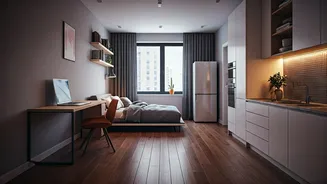
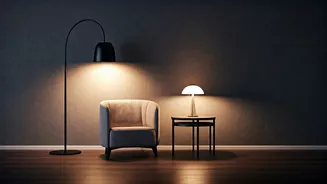
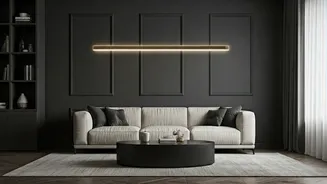
While the entryway and dining room are classic locations for a statement piece, bringing this concept to unexpected places can have an even bigger impact. A small chandelier or a beautiful modern pendant can turn a primary bathroom into a spa-like retreat. A long, linear fixture over a kitchen island is both functional for task lighting and a major style upgrade. Even a home office or a bedroom can be transformed. Replacing a generic flush-mount “boob light” in a bedroom with something more sculptural and interesting immediately makes the room feel more personal and luxurious. In spaces where you can't install a hardwired fixture, a stunning arc floor lamp can create the same dramatic effect, adding both light and an architectural element to a living area.
Don't Forget the Details
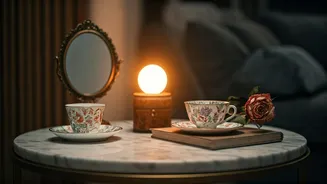
Once you’ve chosen your fixture, the final touches make all the difference. Always install a dimmer switch. The ability to control the brightness is crucial for shifting a room’s mood from bright and functional to low and intimate. A statement piece that is always blaring at 100% brightness loses its sophisticated charm. Also, pay attention to the light bulbs. The color temperature (warm vs. cool) and style of the bulb (Edison, globe, candelabra) are part of the overall design. Many modern fixtures are designed to showcase the bulb itself, so choose one that complements the aesthetic. Layering your lighting—combining your statement piece with smaller table lamps, floor lamps, or accent lights—creates a rich, balanced, and inviting environment.