






What's Behind the Price Drop?
While the word “crash” might be an overstatement, the cost to build a serious home garden is undeniably falling for many Americans. This isn't due to a single sweeping federal law, but rather a patchwork of hyper-local and state-level incentives. Cities
are increasingly recognizing the value of local food production, water conservation, and green spaces. In response, they're rolling out programs that directly subsidize the tools and materials you need. From water-wise irrigation to the very soil you use, these policies are designed to transform sterile lawns into productive, edible landscapes—and they put money back in your pocket to make it happen.
Save Big on Smart Irrigation
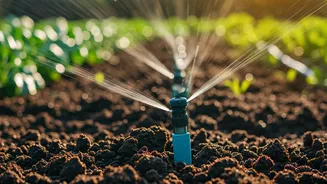
One of the biggest expenses in a robust garden setup is an efficient watering system. Fortunately, this is also where some of the best rebates are found. With drought conditions a recurring concern in many states, local water districts are eager to help residents conserve. Many now offer significant rebates for installing high-efficiency drip irrigation systems and smart sprinkler controllers that adjust based on weather. These devices not only slash your water bill but can often be purchased for a fraction of their retail price after subsidies. For example, some districts in California, Arizona, and Texas offer rebates of $50 to $200 or more for upgrading to a qualifying smart controller, effectively making the technology almost free in some cases.
Get Paid to Build Raised Beds
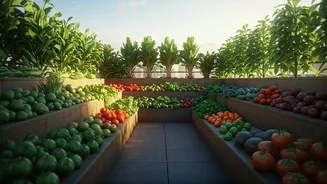
The classic green lawn is falling out of favor with eco-conscious municipalities. “Cash for grass” or “lawn replacement” programs are becoming a popular tool to encourage biodiversity and food production. These initiatives offer homeowners a payment per square foot of lawn they remove and replace with drought-tolerant landscaping or, even better, a vegetable garden. The funds you receive can directly offset the cost of lumber for raised beds, high-quality organic soil, and compost. It’s a win-win: the city reduces its water demand, and you get a grant to build the garden you’ve always wanted. Check your city’s public works or water department website for programs under names like “WaterWise Landscapes” or “Turf Replacement Rebate.”
Harness Rainwater for (Almost) Free
Why pay for water when it falls from the sky? Rainwater harvesting is another key area where policy is driving down costs. To reduce stormwater runoff, which can overwhelm sewer systems and pollute waterways, many cities now offer free or heavily subsidized rain barrels. These systems connect to your downspouts and collect hundreds of gallons of naturally soft, chlorine-free water that’s perfect for your plants. A typical 50-gallon rain barrel can cost over $100, but through these municipal programs, residents can often get one for as little as $20 or even for free after attending a short workshop. It’s one of the easiest and most impactful infrastructure upgrades you can make.
How to Find These Deals Yourself
These programs aren’t always advertised on billboards, so a little digital digging is required. The best place to start is the website for your local water district or city’s department of sustainability. Use search terms like “[Your City] + water conservation rebates,” “[Your County] + turf replacement,” or “[Your State] + Master Gardener program.” Your local university’s agricultural extension office is another goldmine of information, often managing programs and providing free advice on building sustainable gardens. A few minutes of searching can uncover thousands of dollars in potential savings, turning your dream garden from a pricey luxury into an affordable reality.