




The Humidity vs. Foundation Problem
Traditional foundations are often formulated with higher concentrations of pigment and binders designed to create a uniform, opaque canvas. While this is great for a controlled, indoor environment, it becomes a liability when moisture enters the picture.
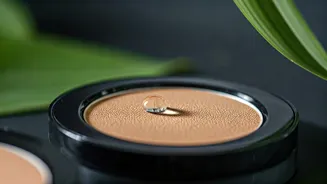
Humidity and rain can cause these formulas to separate, settle into fine lines, and oxidize, changing color throughout the day. The result is that dreaded 'caked' look, where makeup appears heavy and unnatural. Furthermore, heavy liquids and creams can trap sweat and oil, leading to clogged pores and a generally uncomfortable, sticky feeling that only gets worse as the day wears on. In unpredictable weather, full-coverage makeup is fighting a losing battle against the elements.
Enter the Skin Tint: Your New Best Friend
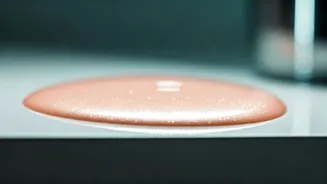
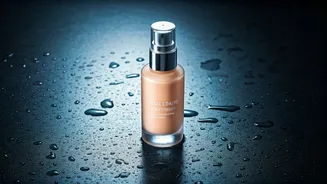
So, what exactly is a skin tint? Think of it as the minimalist cousin of foundation. Skin tints are lightweight, breathable formulas with a sheer, dewy finish. Their primary goal isn't to mask imperfections but to even out your skin tone and provide a healthy, hydrated glow. Unlike foundations, which are pigment-first, skin tints are often skincare-first, packed with ingredients like hyaluronic acid, glycerin, and squalane. They contain just enough pigment to subtly enhance your complexion while letting your natural skin shine through. This watery, serum-like consistency is key to its performance in humidity; it melds with the skin rather than sitting on top of it, making it far less likely to slide around or break down when you get caught in the rain or start to sweat.
Why It’s a Modern, Year-Round Staple
While skin tints are a hero product for rainy days and summer heat, their appeal extends far beyond a single season. They align perfectly with the modern 'your-skin-but-better' beauty philosophy that has gained massive popularity. Many people are moving away from heavy, transformative makeup and embracing products that celebrate, rather than cover, their real skin. A good skin tint provides just enough polish for a Zoom call, a trip to the grocery store, or a casual brunch. It’s the ultimate low-effort, high-impact product. It lets your skin breathe, often provides a dose of hydration or sun protection, and gives you a fresh-faced look that feels as good as it looks. It's less about creating a flawless mask and more about boosting your confidence in your own complexion.
How to Choose Your Perfect Match
Shopping for a skin tint is refreshingly forgiving compared to foundation. Since the coverage is sheer, you don’t need an exact shade match. Most shade ranges are flexible, meaning one shade can work for several skin tones. When choosing, focus on two things: finish and formula. Do you want a dewy, radiant glow or a more natural, satin finish? Read product descriptions to find out. Next, check the ingredients. If you have dry skin, look for hydrating heroes like hyaluronic acid. If you’re oily, an oil-free formula might be your best bet. Many modern tints also include SPF, offering a convenient way to add a layer of sun protection to your routine. Don't be afraid to swatch on your jawline, but remember that the sheer nature of the product makes it easier to blend and adapt.
Application for a Seamless Finish
One of the best things about skin tints is their ease of use. You can ditch the complicated brushes and sponges. The best tool is often your fingertips. The warmth of your hands helps the product melt into your skin for the most natural, seamless application. Start with a small amount—a few drops are usually enough for your entire face—and blend from the center of your face outward. You can gently tap on a little extra over areas where you want slightly more coverage, like around the nose or under the eyes. For most people, the goal of a tint is a fresh look, so you can often skip setting powder entirely. If you have oily skin, a light dusting of translucent powder on your T-zone is all you need to keep shine at bay without sacrificing the glow.