


The Princess of Hill Stations
In the sweltering plains of Southern India, as temperatures climb to unbearable, life-altering heights, there exists an antidote. To get there, you must ascend. The road to Kodaikanal twists and climbs through the Western Ghats of Tamil Nadu, and with
every hairpin turn, the air changes. The thick, humid blanket of the lowlands gives way to something thinner, crisper, scented with eucalyptus and pine. By the time you arrive in the town, perched at nearly 7,000 feet, the transformation is complete. This is Kodaikanal, the “Princess of Hill Stations,” a place designed for escape. Established by American and European missionaries and civil servants in the 1840s, its very purpose was to serve as a refuge from the heat and tropical diseases of the plains. That colonial-era DNA is still visible in the stone cottages with English country names and the grand old clubs, but its modern function is more vital than ever. It’s no longer just a retreat for a few, but a desperately needed sanctuary for anyone seeking a reprieve from the punishing reality of a modern Indian summer.
A Landscape Painted in Mist
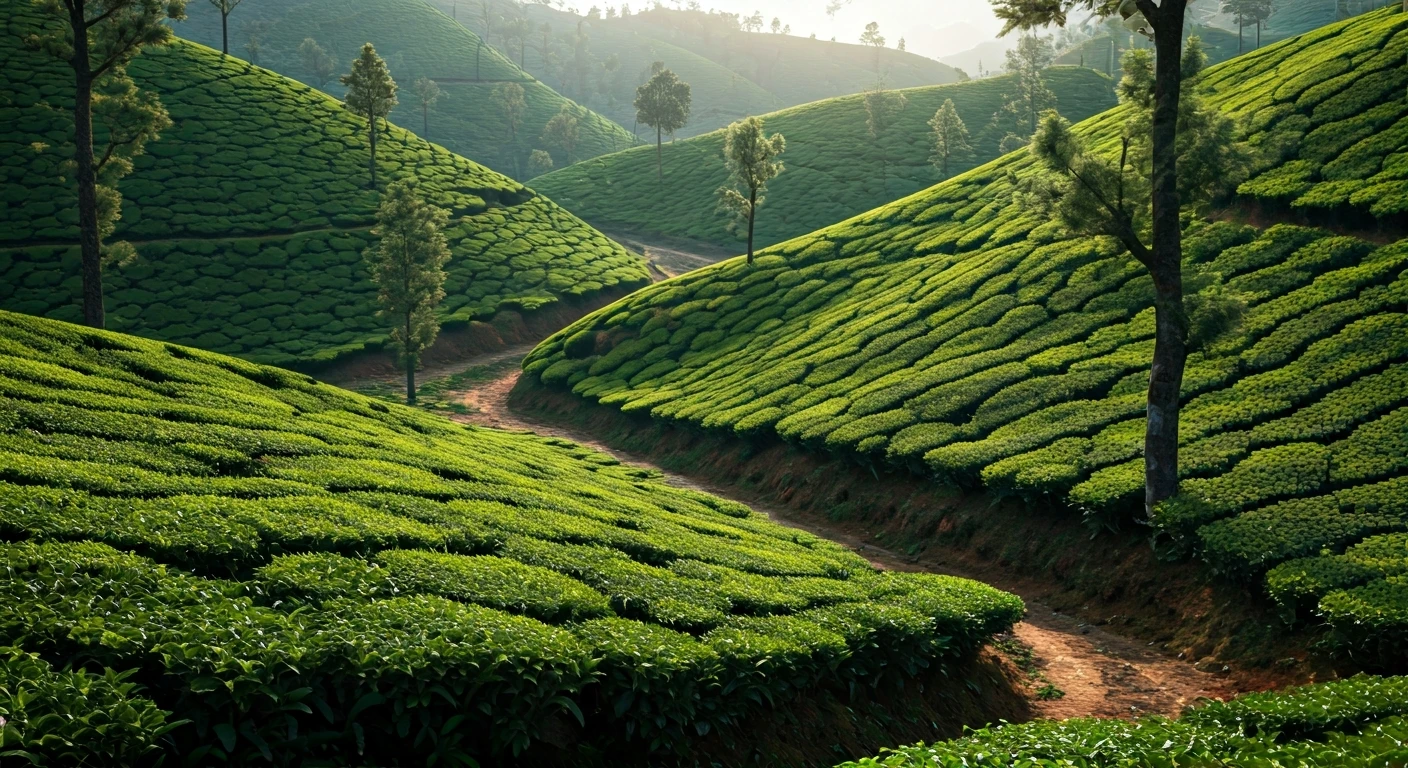
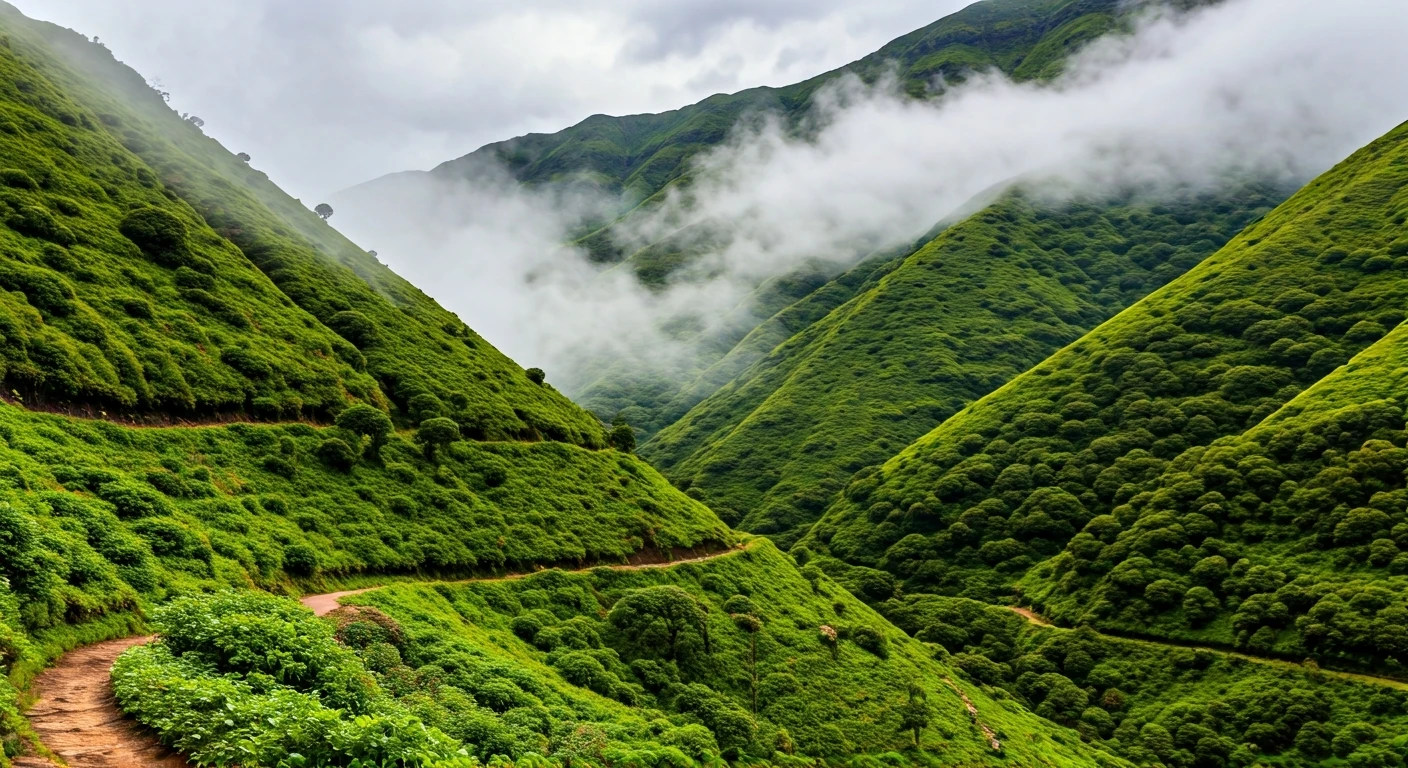
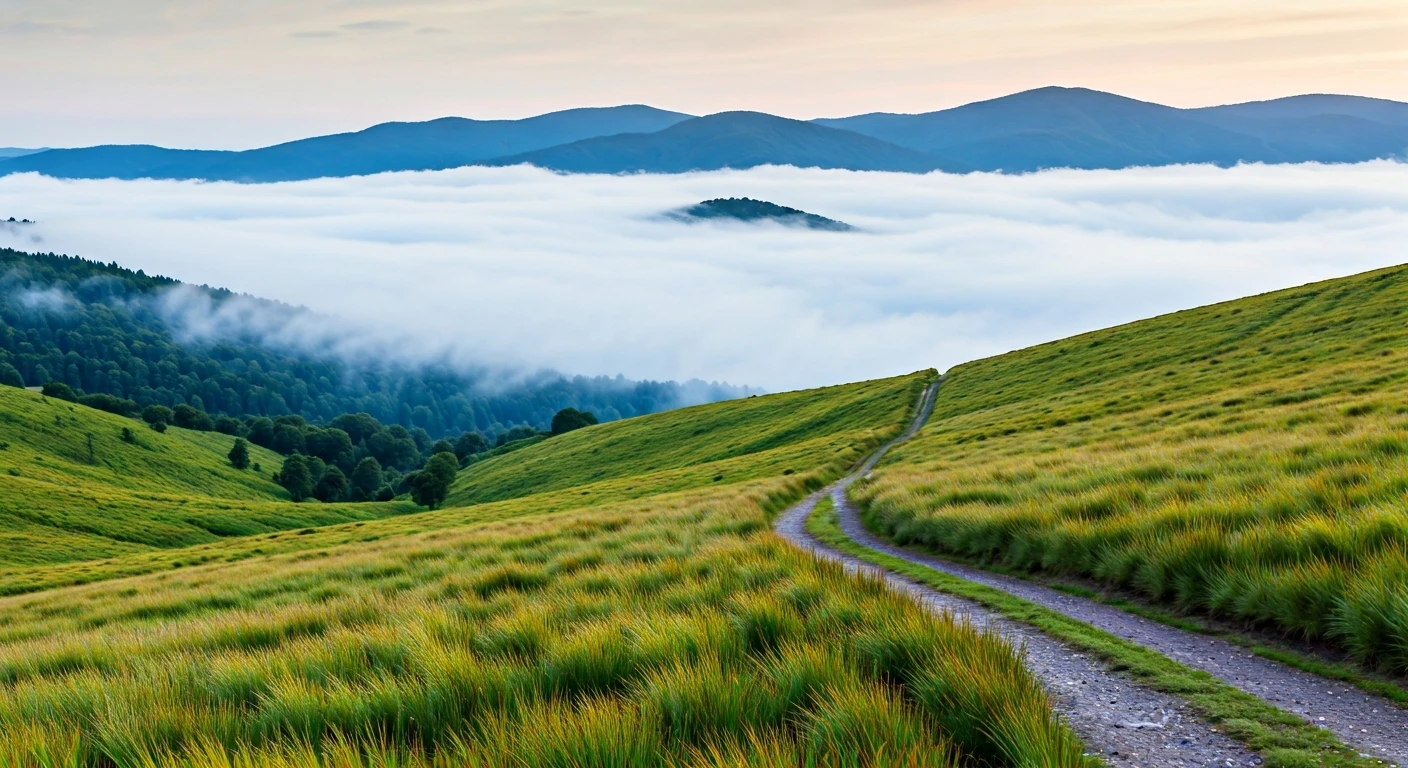
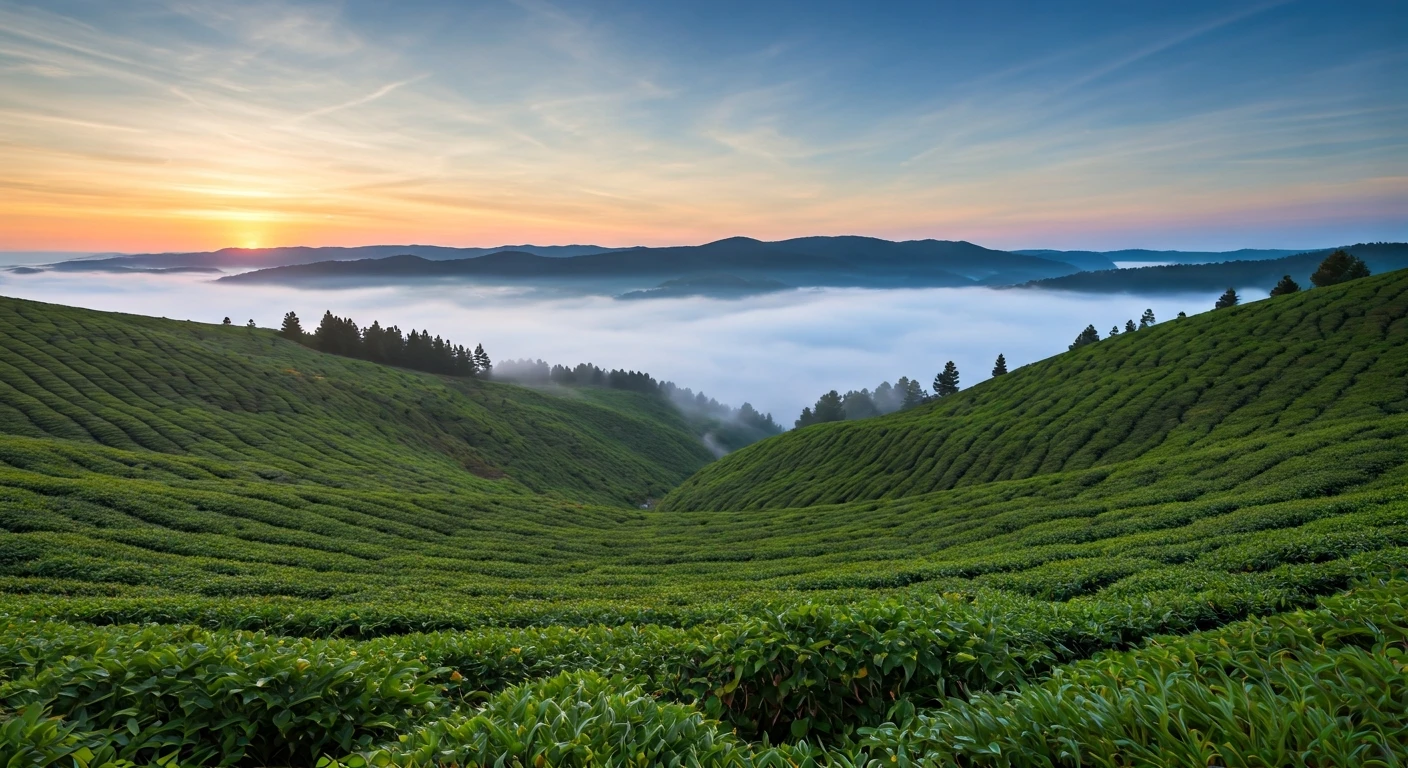
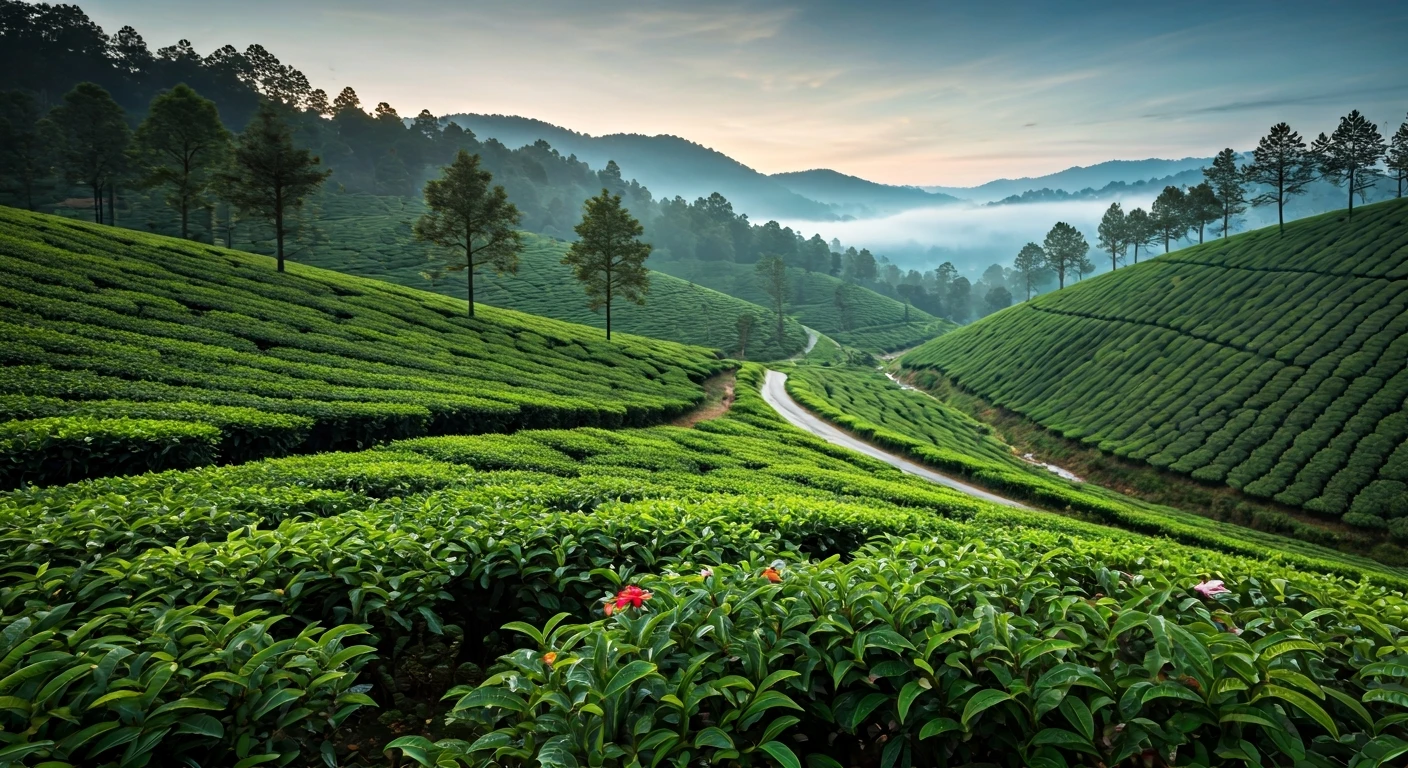
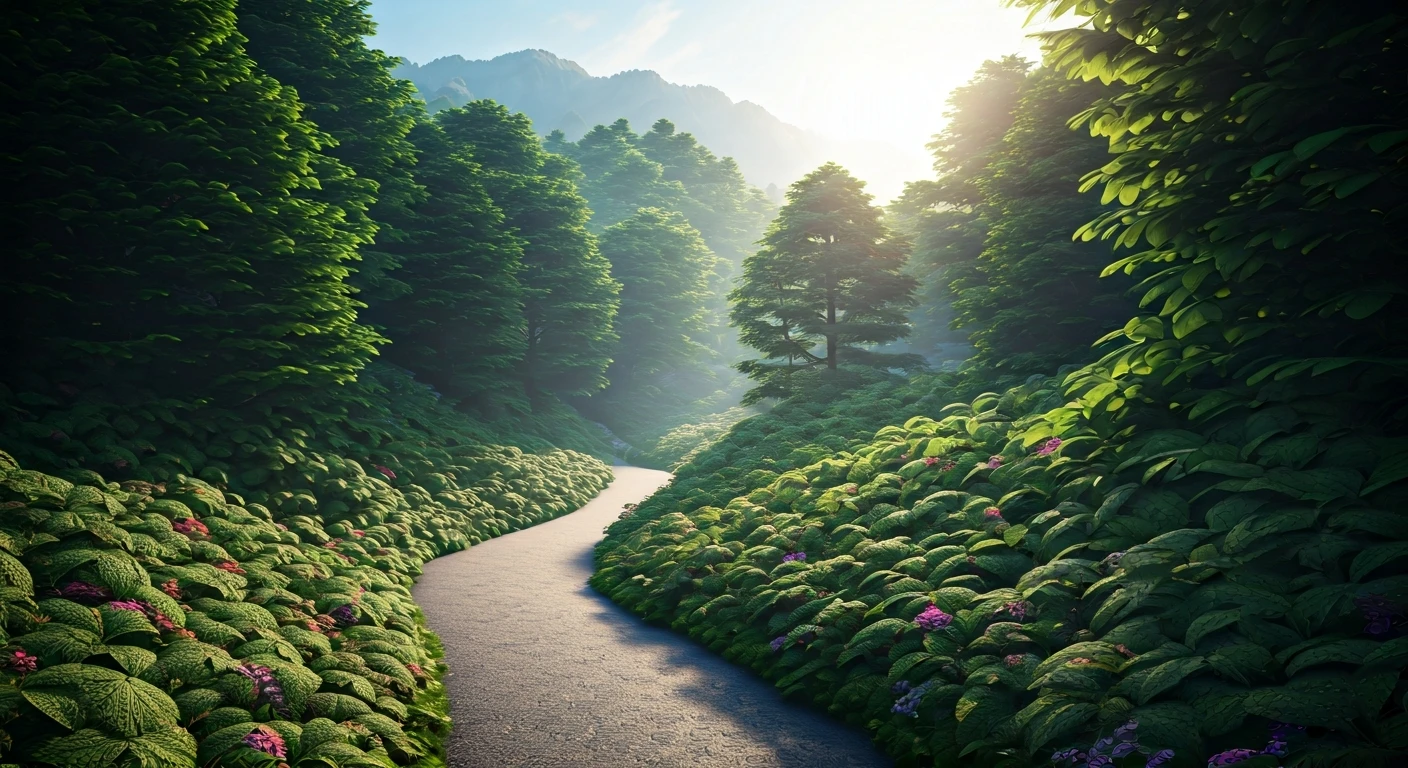
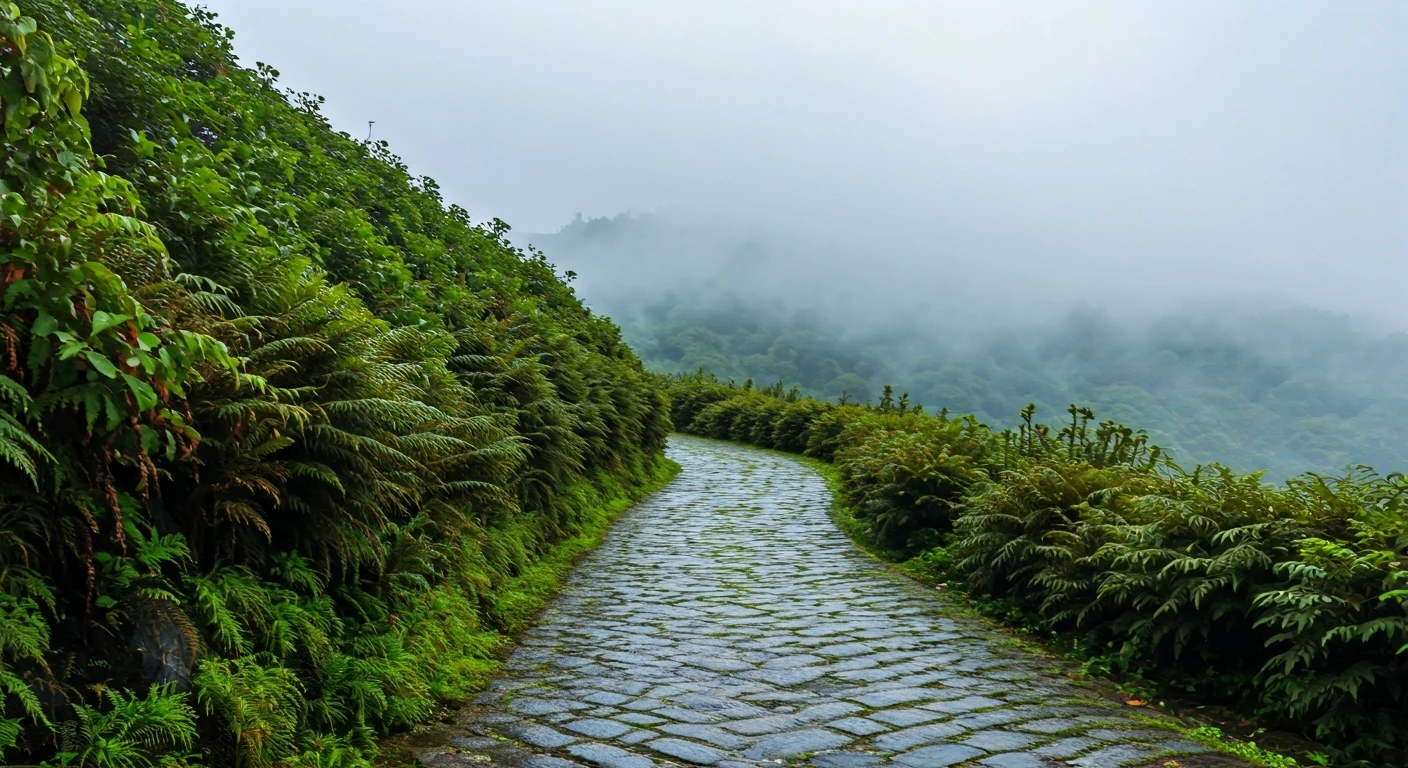
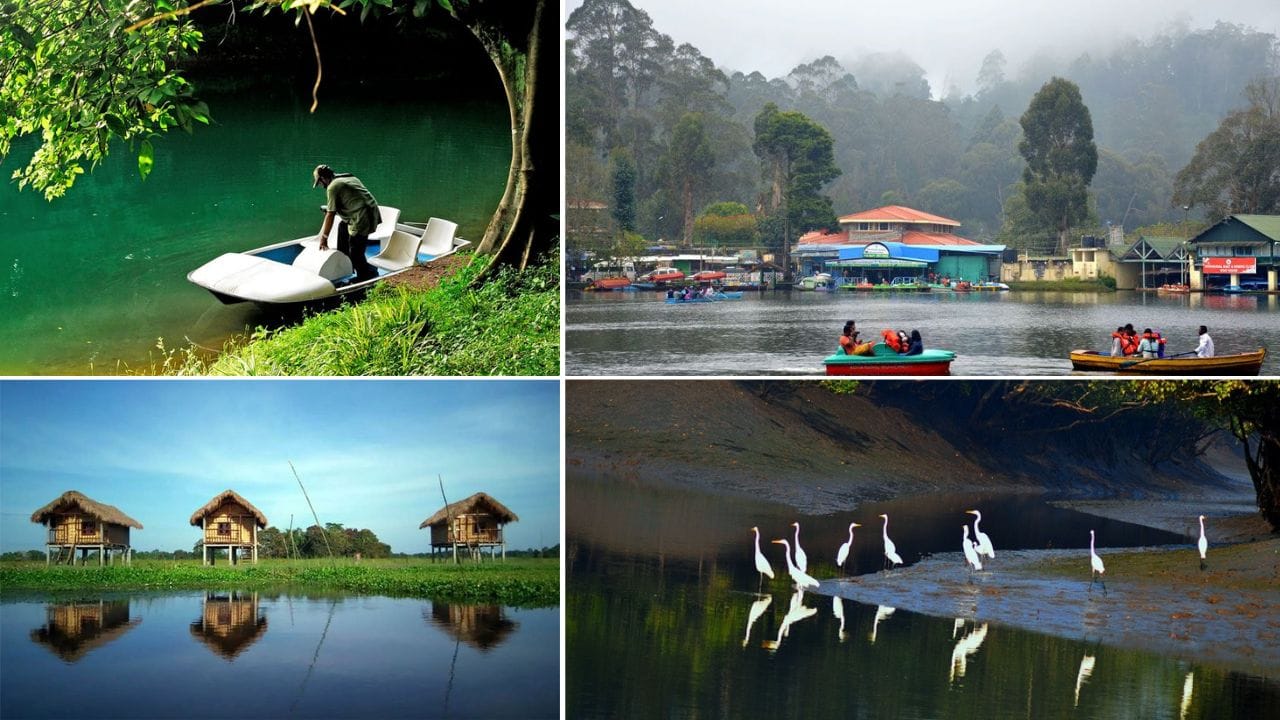
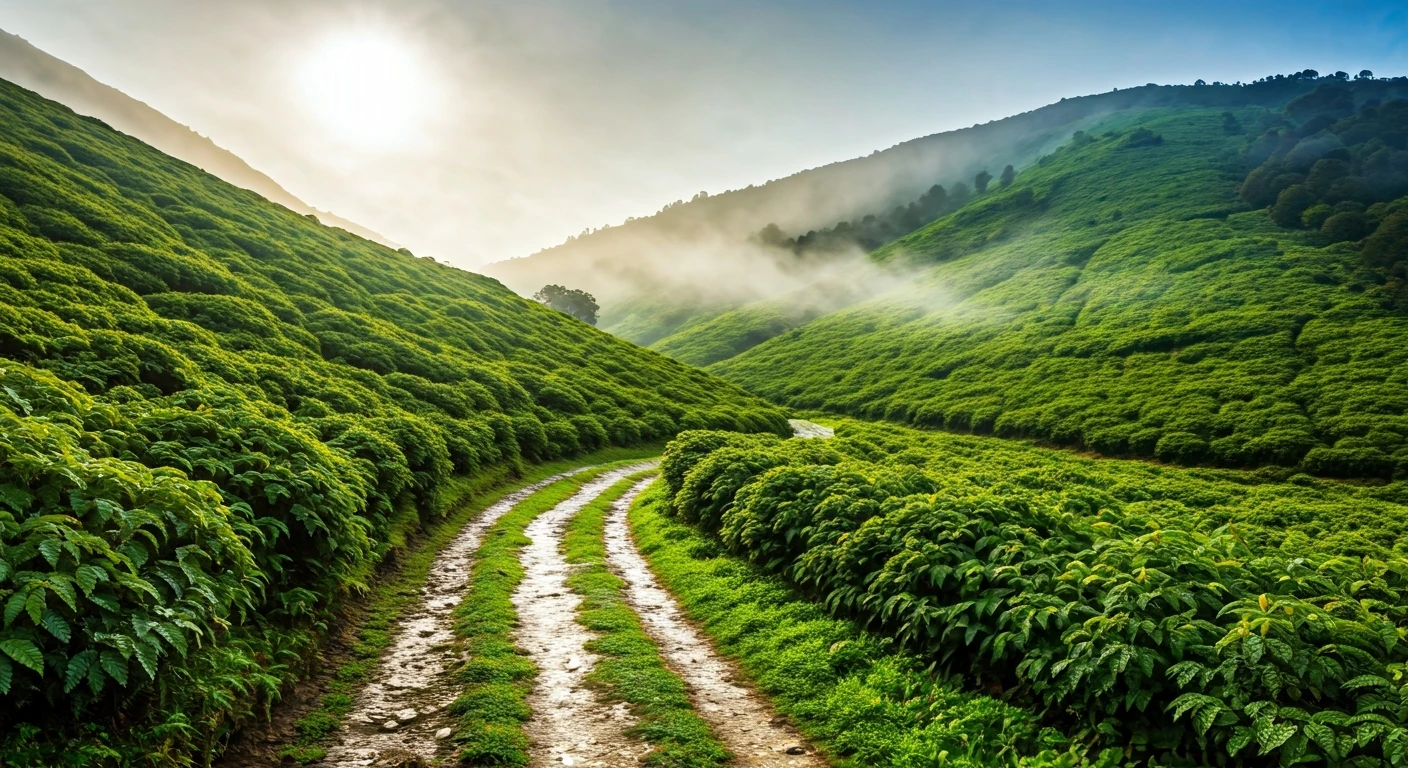
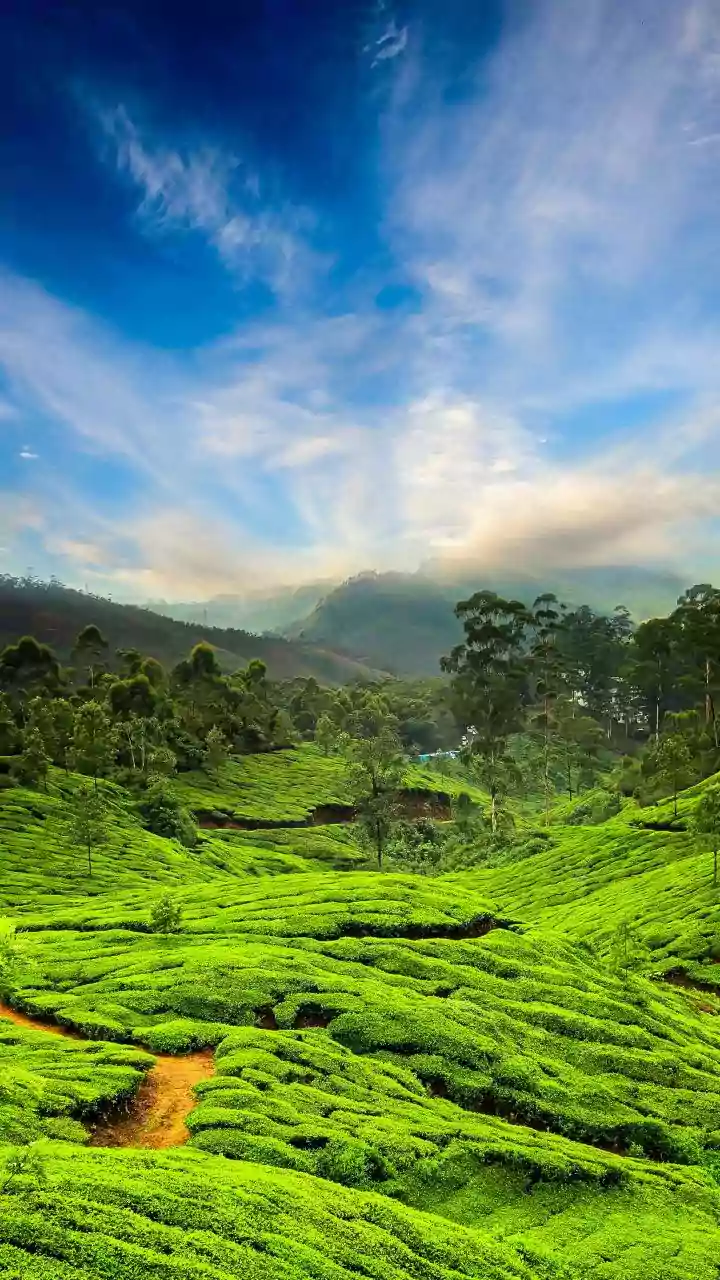
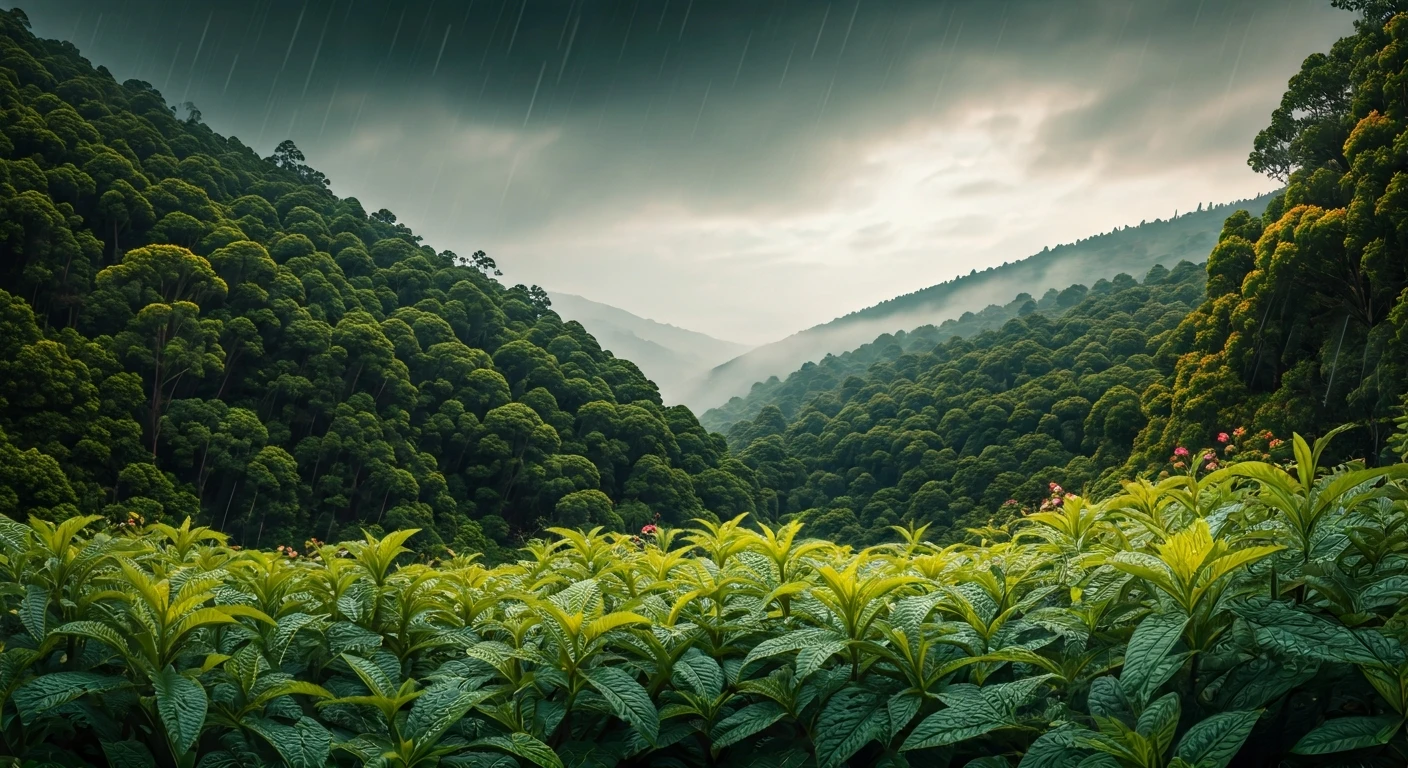
The heart of Kodaikanal is its man-made, star-shaped lake, a placid hub around which the town's gentle rhythm revolves. Here, you can rent a paddleboat or simply stroll the perimeter, watching families and couples do the same. But the true magic lies in the surrounding landscape. The region is famous for its ‘Shola’ forests—patches of stunted, tropical montane forests nestled in valleys, creating a unique ecosystem that feels ancient and mystical. Mists roll in without warning, swallowing the landscape in a soft, white silence before receding just as quickly to reveal breathtaking vistas from viewpoints like Coaker’s Walk and Dolphin’s Nose. Waterfalls like Bear Shola and Silver Cascade, fed by the monsoons, provide a constant, soothing soundtrack. This is a place where the main activity is simply being outdoors without the threat of heatstroke. The air is cool enough for a jacket, even in May, a concept that feels utterly luxurious after weeks of relentless sun.
The Simple Pleasures of Cool Air
The relief Kodaikanal provides is more than just climatic; it’s psychological. The oppressive guilt of summer—the energy consumption, the canceled plans, the sheer physical exhaustion—dissipates in the cool air. Life slows down. The day’s big decisions might revolve around which variety of homemade chocolate to buy (a local specialty) or whether to try the street-side sweet corn roasted over coals. The local markets are full of fresh vegetables that struggle to grow in the heat below, and vendors sell bottles of aromatic eucalyptus oil, its sharp scent a constant reminder of the forests that surround you. Instead of hiding from the sun, you find yourself seeking its warmth. Instead of feeling trapped indoors, you are drawn to walk, explore, and breathe deeply. This reversal of summer behavior feels profoundly restorative. It’s not about extravagant indulgence, but about reclaiming simple pleasures that the heat has stolen: a long walk, a hot cup of tea enjoyed outdoors, the ability to simply think clearly without the fog of thermal stress.
A Blueprint for Summer Sanity
As climate change makes extreme heat waves the new normal across the globe, from Texas to Tuscany, the idea of a “hill station” feels less like a colonial relic and more like a forward-thinking concept. Kodaikanal offers a glimpse of what it means to adapt by seeking altitude and nature. It’s a physical place, but it’s also a powerful idea: that there are still places where summer doesn’t have to feel like a siege. To spend time here is to remember that weather is not monolithic. The world is full of microclimates and geographic exceptions. While not everyone can decamp to the mountains for three months, the existence of a place like Kodaikanal serves as a vital reminder that escape is possible, and that seeking relief from an oppressive environment isn't a crime. It's an act of survival and, in its own quiet way, sanity.