

What Exactly Is the Monsoon?
First, let’s clear up a common misconception. The North American Monsoon isn’t a single, continuous rainstorm like its Southeast Asian counterpart. Instead, it’s a seasonal shift in wind patterns that pulls moist, unstable air up from the Pacific Ocean
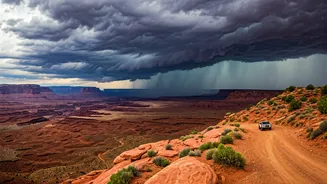
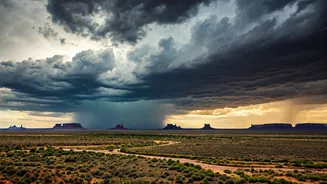
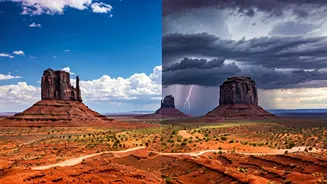
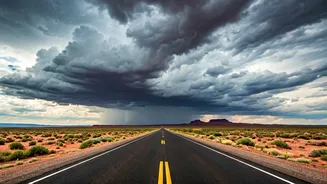
and Gulf of Mexico into the typically arid Southwest. This pattern, which usually establishes itself from mid-June to September, creates the conditions for dramatic, almost daily afternoon thunderstorms. These storms are often localized, intense, and brief. One valley might get a drenching downpour, while the next remains perfectly sunny. An “early” monsoon simply means this weather pattern has set up shop a few weeks ahead of its typical schedule, catching many early-summer travelers by surprise.
The Real Risks: Flash Floods and Lightning
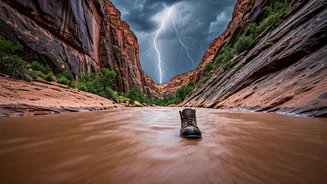
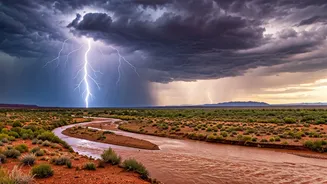
The word “interesting” in the headline is a polite way of saying “potentially hazardous if you’re unprepared.” The two biggest dangers are flash floods and lightning. A storm happening miles away, completely out of your sight, can send a sudden, powerful wall of water down a dry riverbed (arroyo) or narrow slot canyon. These floods are the desert’s most notorious threat. By the time you hear the water, it’s often too late. Lightning is the other major concern. In the high-elevation, exposed landscapes of places like the Grand Canyon rim or the high desert of New Mexico, a thunderstorm can roll in with shocking speed. Being the tallest object on a ridge or in an open field during a lightning storm is a dangerously compromised position.
Your New Trip-Planning Checklist
Flexibility is your new best friend. An early monsoon doesn't cancel your trip, but it does change the rules.
1. **Become a Weather Watcher:** Check the forecast multiple times a day from a reliable source like the National Weather Service. Pay attention to “flash flood watch” versus “flash flood warning.” A watch means conditions are favorable; a warning means flooding is imminent or already happening.
2. **Hike Early, Rest Later:** Plan your most ambitious outdoor activities for the morning. Storms almost always build in the afternoon heat. Aim to be back in a safe location or at lower elevations by 1 p.m. Use the afternoons for scenic drives, visiting museums, or relaxing.
3. **Always Have a Plan B:** If your main goal was to hike a famous slot canyon like The Narrows in Zion, you need a backup plan. That hike will likely be closed or extremely dangerous during monsoon season. Identify alternative, less flood-prone trails or indoor attractions before you even leave your hotel.
Rethinking Your Itinerary and Gear
Before you even set foot on the trail, adjust your expectations. This may not be the trip for ticking off a long, exposed 12-mile ridge hike. Instead, focus on shorter, more manageable loops that keep you closer to safety. When driving, understand that dirt roads can become impassable mud pits or get washed out entirely. Stick to paved roads if storms are in the forecast, and never, ever attempt to drive through a flooded roadway. A mere six inches of moving water can knock you off your feet, and a foot can sweep a vehicle away.
Your packing list also needs a slight adjustment. That featherlight windbreaker won't cut it. Bring a truly waterproof rain jacket (not just water-resistant). Add a small, foldable umbrella for quick dashes. And while you might be in the desert, having a light fleece or warm layer is crucial, as a sudden downpour can cause temperatures to drop by 20-30 degrees in minutes.
The Unexpected Silver Lining
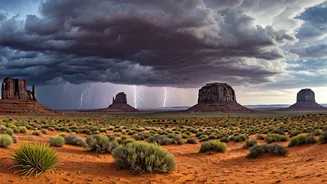
It’s not all doom and gloom. An active monsoon season can be one of the most beautiful times to visit the Southwest. The storms create stunningly dramatic skies, with towering anvil clouds and golden light that make for breathtaking photography. The rain washes the dust from the air, making colors appear more vibrant. The parched desert floor responds with a flush of green and unexpected wildflowers. The smell of rain on dry creosote bushes is a scent you will never forget. Furthermore, the afternoon cloud cover and rain provide a welcome break from the oppressive triple-digit heat of early summer, making the entire experience more comfortable.