

More Than Just a Quiet Corner
Forget the opulent home theaters and wine cellars of yesterday. The new aspirational space isn't about entertaining others; it's about restoring yourself. A 'calm room,' sometimes called a wellness room or sensory space, is a corner of your home intentionally
designed to reduce stress and sensory input. It’s not just a room that happens to be quiet. It’s an environment curated for tranquility. Unlike a home office, which is designed for productivity, or a living room, built for social gathering, the calm room has only one purpose: to offer a gentle, restorative retreat from the outside world. It borrows principles from sensory rooms used in therapeutic settings for individuals with autism or anxiety but strips them down for everyday domestic use. The goal isn't clinical treatment, but a proactive dose of peace.
The Great Unwinding: Why Now?
The rise of the calm room isn’t accidental. It’s a direct response to the pressures of modern life. We live in an attention economy that profits from our distraction, a 24/7 news cycle that fuels our anxiety, and a work culture that has blurred the lines between the office and the living room sofa. After years of being told to hustle, optimize, and stay connected, we’re collectively hitting a wall. Burnout has become a cultural buzzword because it’s a shared experience. The home, once a reliable sanctuary, is now often just another node in our digital network—a place for Zoom calls, doomscrolling, and managing endless logistical pings. The calm room represents a conscious rebellion against this intrusion. It's a physical manifestation of setting a boundary, a dedicated space where the demands of the world are not just muted, but intentionally locked out.
The Anatomy of Calm
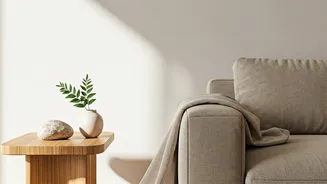
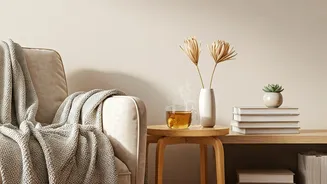
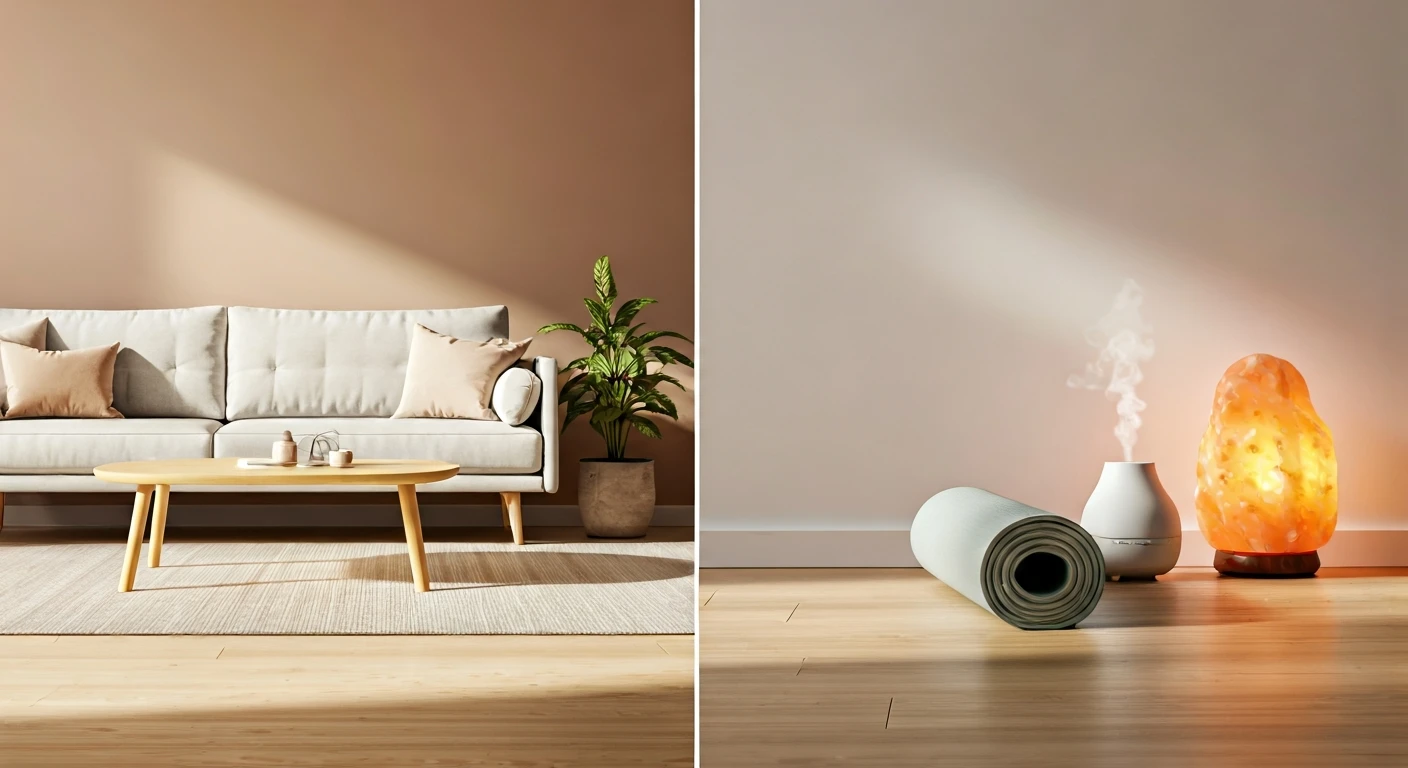
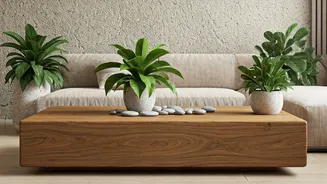
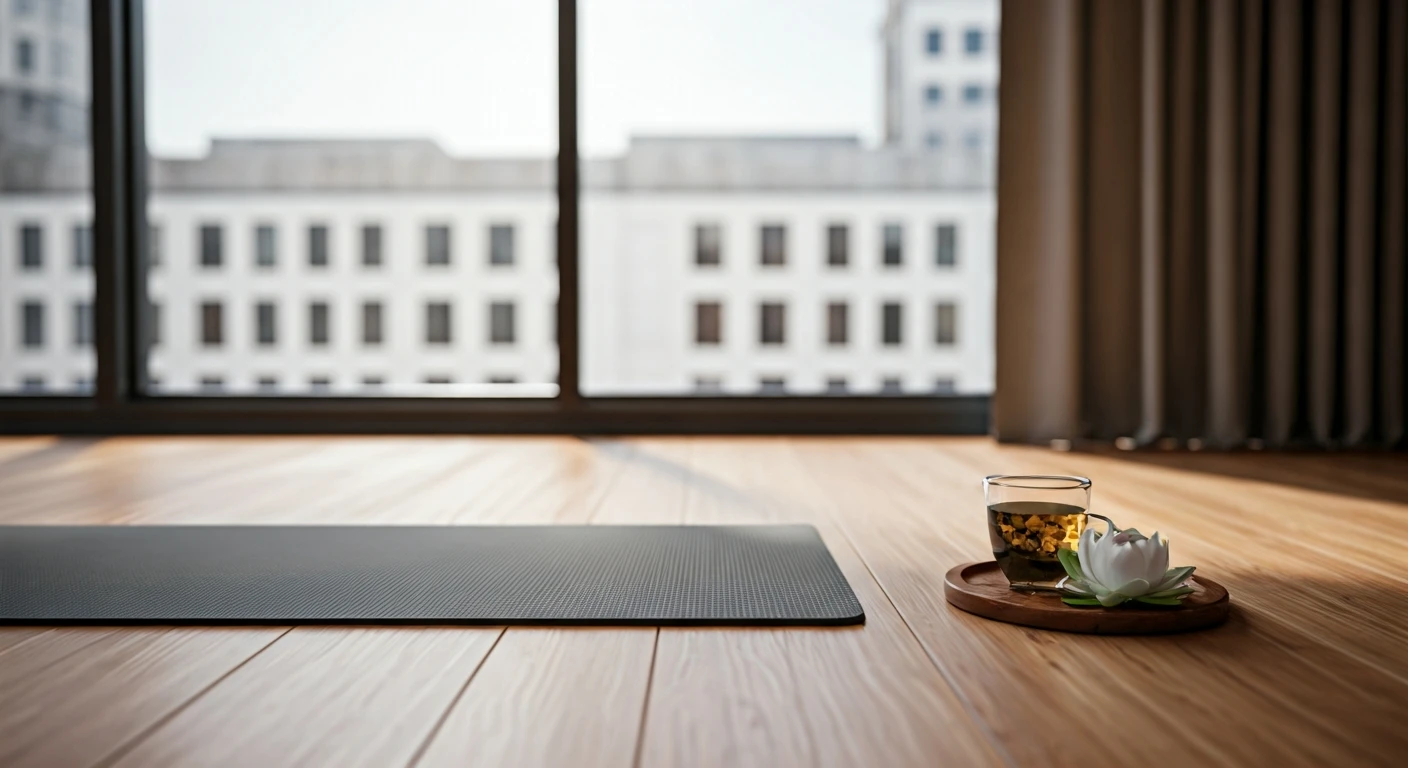
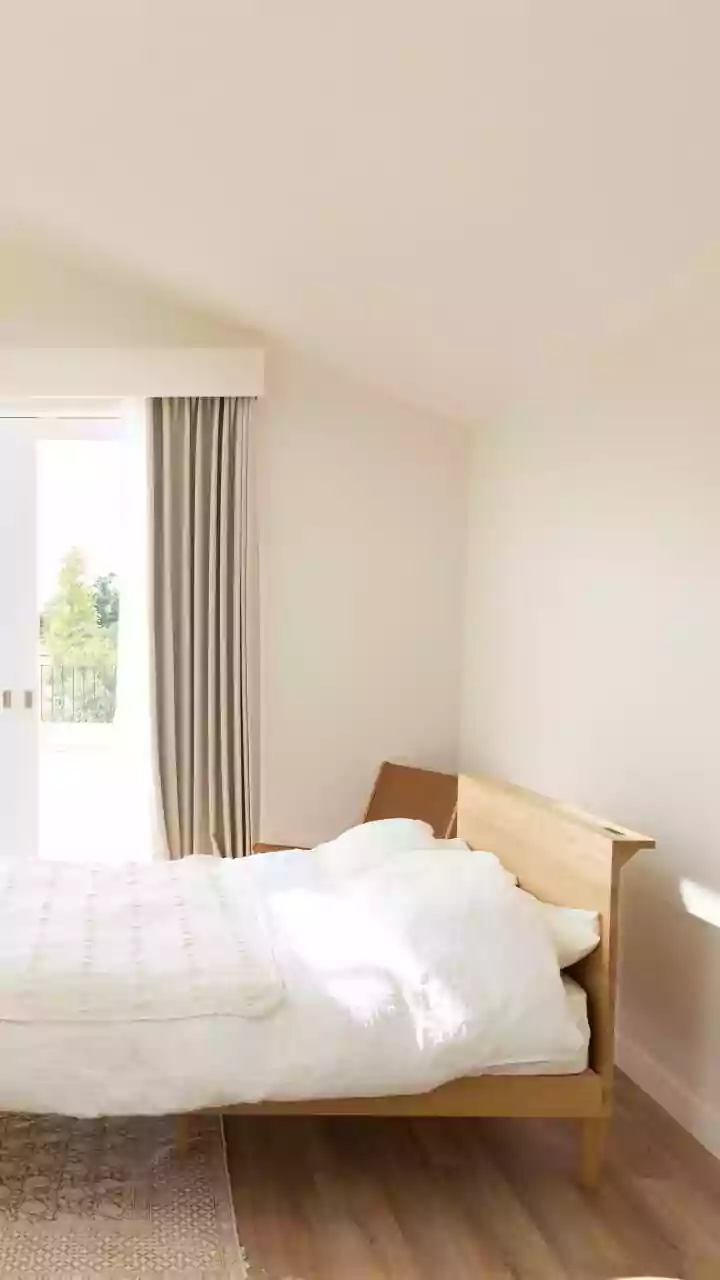
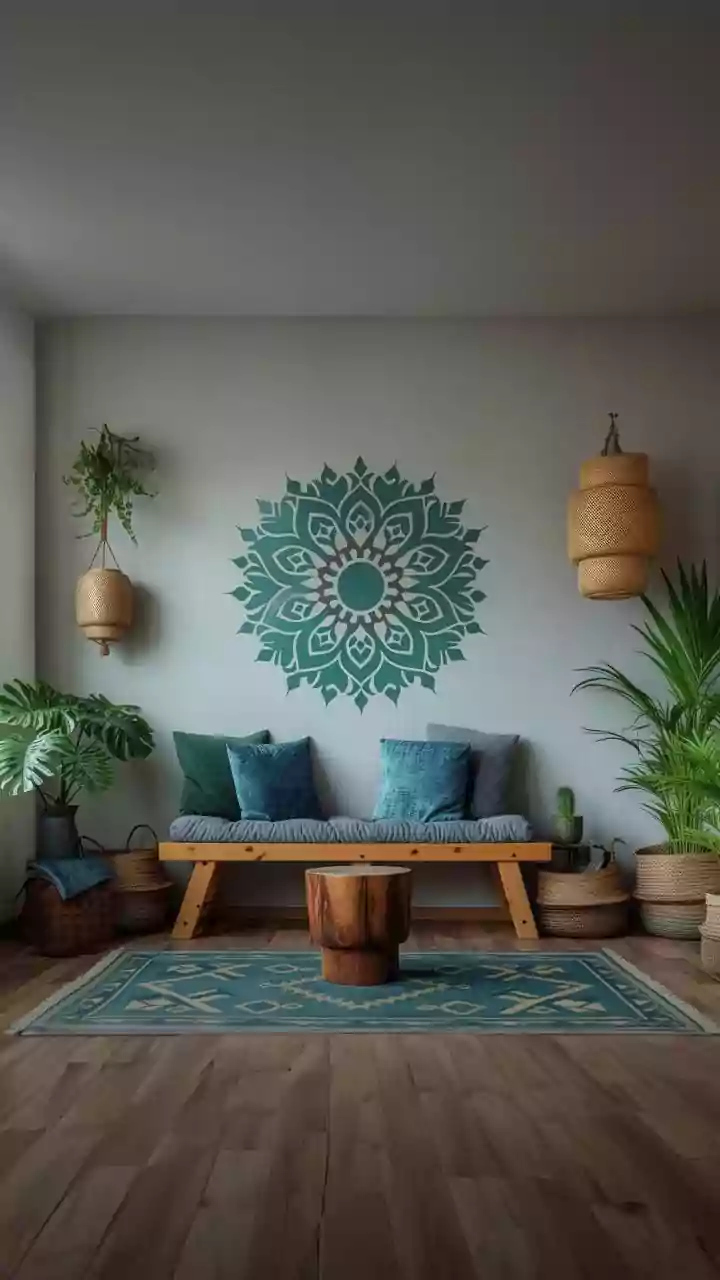
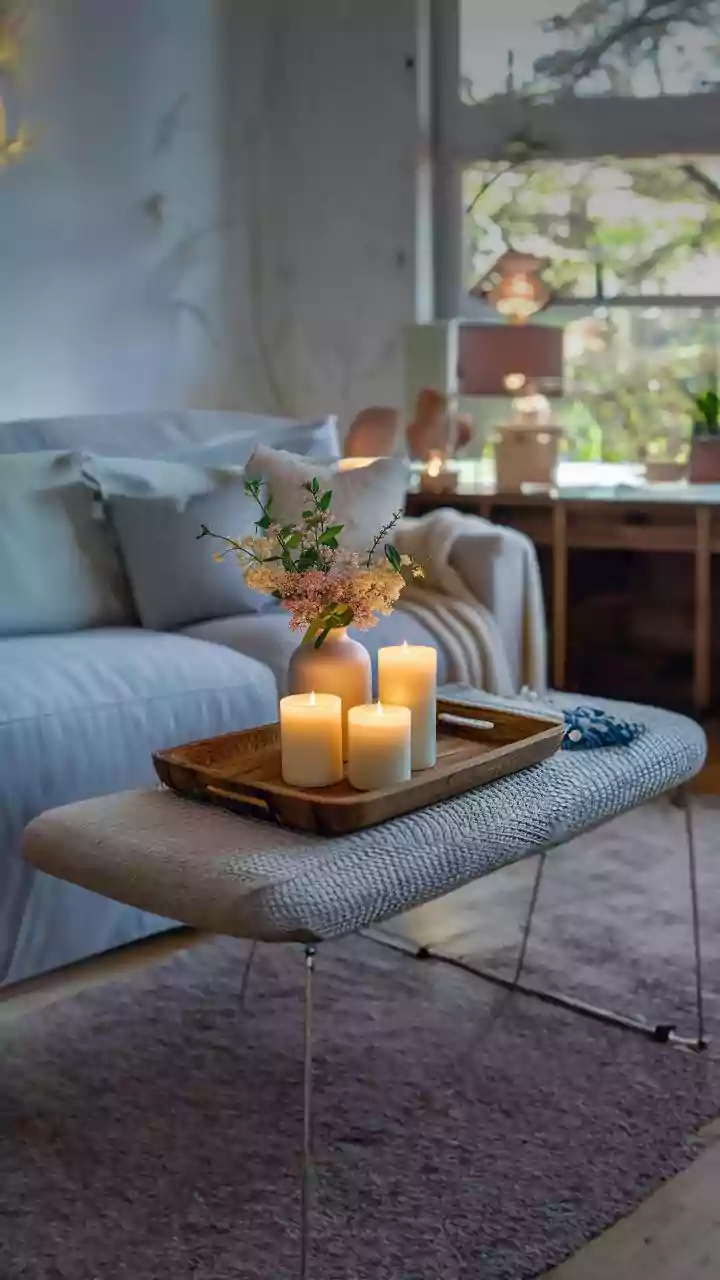
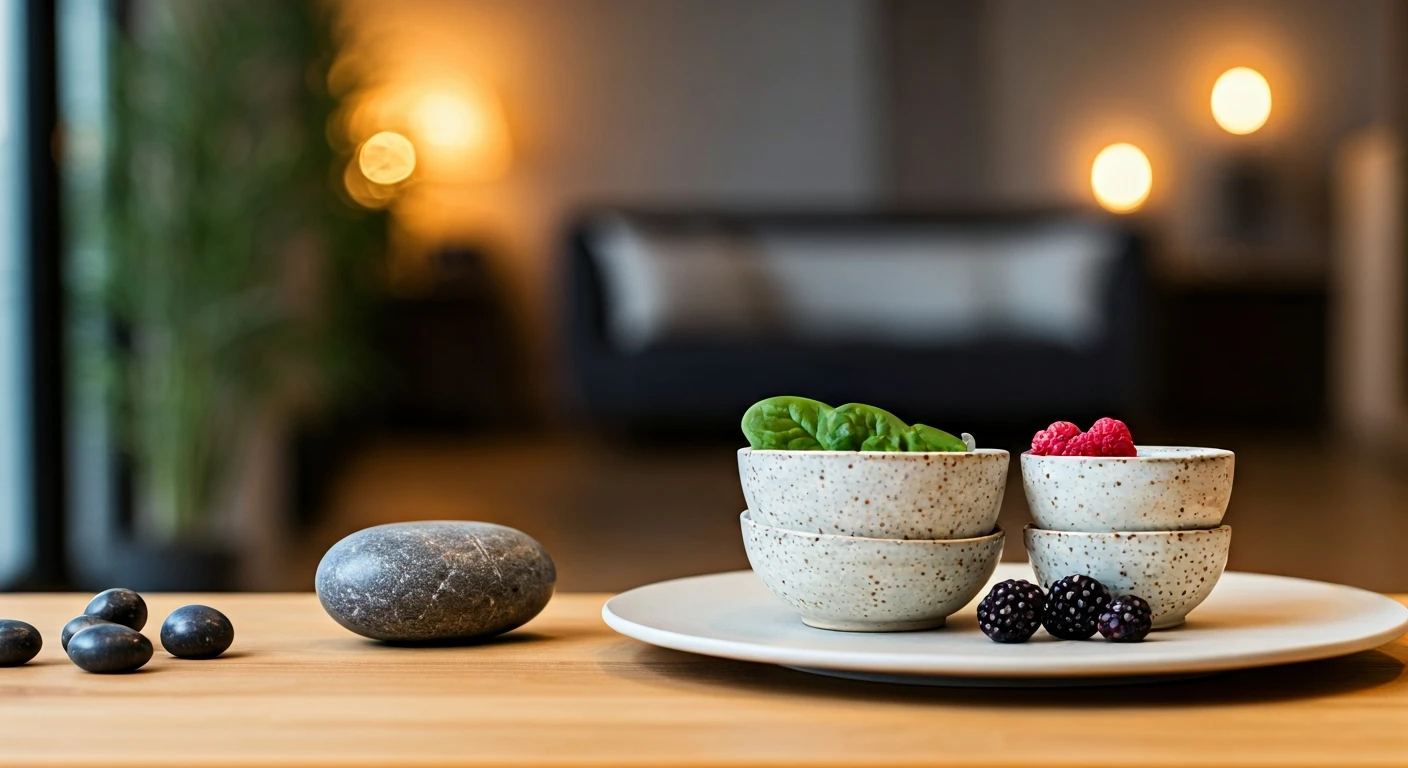
While there's no single blueprint for a calm room, they share common principles aimed at soothing the nervous system. The focus is on gentle, non-stimulating sensory experiences. Lighting is key; think soft, warm, and indirect, with a heavy emphasis on natural light where possible. Dimmers are your best friend. The color palette typically leans toward muted, earthy tones—soft grays, warm beiges, and biophilic shades of green and blue that evoke nature. Texture plays a huge role in creating a feeling of comfort and safety. Plush rugs, soft-knit blankets, velvet cushions, and smooth wooden surfaces invite touch and create a sense of groundedness. Sound is managed carefully, either through sound-dampening materials to create true quiet or with the gentle addition of a white noise machine or calming soundscapes. Finally, the room is defined by what’s not there: clutter, screens, and any reminders of your to-do list.
Your 'Luxury' Is Achievable
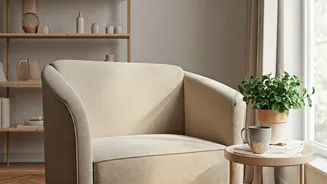
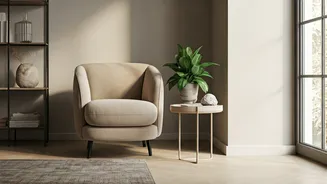
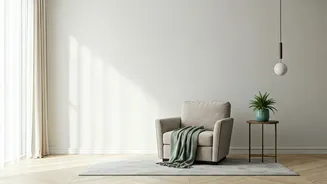
The word 'luxury' might conjure images of expensive renovations and dedicated, sun-drenched rooms. But the true luxury of a calm room is its function, not its price tag. This isn't about installing a sauna or hiring a celebrity designer. You can create a pocket of peace in almost any home. It could be a 'calm corner' in your bedroom with a comfortable chair, a soft blanket, and a single plant. You could reclaim a walk-in closet, adding a plush cushion, a battery-powered candle, and a 'no phone' rule. Even a bathroom can be transformed for 20 minutes with dimmed lights, a calming scent, and some quiet music. The key is intentionality. The act of designating a space—no matter how small—for the express purpose of mental and emotional rest is what gives it power. It's about giving yourself permission to disconnect, and having a physical place that makes it easier to do so.