








The New Social Hub
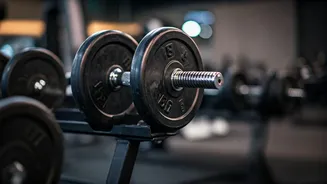
Walk into a new-age fitness center in Mumbai, Bangalore, or even a smaller city like Chandigarh, and you’ll feel a familiar energy. The thumping bass of a pop track, the clank of weights, the hum of treadmills—it could be a gym in Los Angeles or Chicago.
But look closer, and you'll see a uniquely Indian story unfolding. These aren't just places to work out; they are buzzing social hubs, status symbols, and powerful markers of aspiration for a new generation. For many young urban professionals, the gym is the new coffee shop or bar—a 'third place' to see, be seen, and build community outside of home and work. It’s a co-ed space where social norms are being redefined, one dumbbell curl at a time.
Fueled by a Rising Middle Class
So, why now? The answer lies in India's explosive economic growth over the past two decades. As millions of people have entered the middle class, they’ve gained something crucial: disposable income and the leisure time to spend it. A gym membership, once an unaffordable luxury reserved for the ultra-elite, is now within reach for a massive demographic of young, urban Indians. This new consumer base is hungry for global lifestyle trends they see on social media and in Western media. They have more sedentary, office-based jobs than their parents' generation, creating a new awareness around health and wellness. This perfect storm of economic empowerment and lifestyle change has turned the fitness industry into one of India’s fastest-growing markets.
The Bollywood and Instagram Effect
You can’t talk about trends in India without talking about Bollywood. For decades, the ideal male physique was lean. Today, sculpted abs and bulging biceps rule the screen, with stars like Hrithik Roshan and Tiger Shroff setting an almost impossibly high bar for physical fitness. This aesthetic has trickled down, creating a nationwide obsession with building a 'body.' It’s not just the men, either; actresses like Deepika Padukone and Katrina Kaif have championed a 'strong is the new skinny' narrative. This celebrity-driven ideal is amplified a million times over on Instagram, where local fitness influencers and trainers have amassed huge followings by translating global fitness trends for an Indian audience. The goal is no longer just to be healthy, but to look visibly fit—and post the results online.
From Traditional to Commercial
India has a rich, ancient history of physical culture, from yoga to traditional wrestling practiced in gyms called 'akharas.' But the modern commercial gym represents a radical departure. Akharas were historically male-dominated, rural, and focused on functional, wrestling-specific strength. Today's gyms are urban, co-ed, and built around a globalized aesthetic of bodybuilding and cardio fitness. Chains like Cult.fit (an Indian unicorn startup), Gold’s Gym, and Anytime Fitness are rapidly expanding across the country, offering standardized classes, air conditioning, and a sanitized, modern environment that feels worlds away from a dusty akhara. This shift reflects a broader cultural pivot from community-based tradition to individualized, consumer-driven modernity.
An Uneven Boom
While the trend is powerful, it’s important to remember that it isn't 'taking over' all of India. This fitness revolution is, for now, a largely urban and middle-to-upper-class story. For hundreds of millions of Indians in rural areas or in lower-income brackets, a gym membership is still an unimaginable expense. The industry is also largely unregulated, leading to concerns about unqualified trainers and the potential dangers of an 'anything to get big' supplement culture. The gym boom highlights the growing gap between the new, globalized India and the old, traditional one—two worlds that exist side-by-side but are moving at very different speeds.