


The Soul of Home Cooking
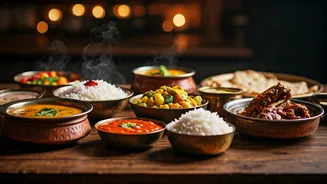
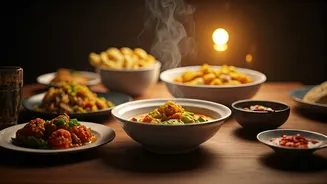
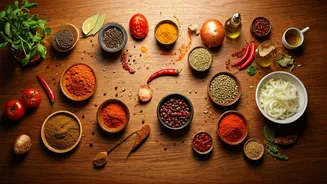
For millions in the Indian diaspora, 'ghar ka khana' is more than just a meal; it’s a feeling. It’s the simple, nourishing food that doesn’t typically appear on restaurant menus. Think dal (lentils), sabzi (vegetable stir-fry), and freshly made roti.
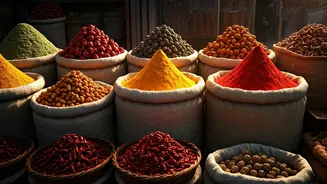
This isn't the heavy, cream-laden fare of celebratory occasions. It's the daily rhythm of a family kitchen, defined by regional spices, seasonal ingredients, and recipes passed down through generations. Each family’s dal is slightly different, a culinary fingerprint shaped by a grandmother’s technique or a particular region’s souring agent. This food is deeply personal, unpretentious, and, for a long time, considered too 'simple' for a professional kitchen.
Beyond the Anglo-Indian Buffet
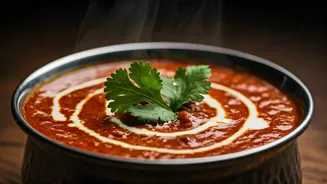
For decades, the Indian restaurant experience in America was remarkably uniform. Whether in New York or Nebraska, menus were dominated by a familiar cast of characters: chicken tikka masala, saag paneer, butter chicken, and garlic naan. These North Indian, Mughlai-inspired, and often Anglo-Indian dishes are delicious, but they represent a tiny, homogenized fraction of the subcontinent's staggering culinary diversity. This standardized menu was a business decision, designed to be approachable and consistent for an American palate unfamiliar with the complexities of regional Indian food. It successfully introduced Indian flavors to the mainstream but also created a culinary stereotype that flattened a vibrant and varied food culture into a few creamy, tomato-based curries.
The New Guard of Flavor
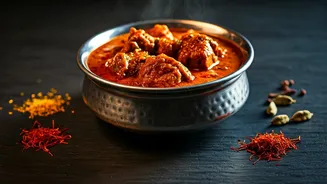
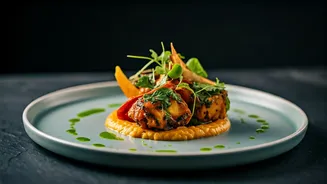
That stereotype is now being dismantled by a new generation of chefs. Restaurants like Dhamaka in New York City, led by chef Chintan Pandya, have gained national acclaim for serving what they call 'unapologetic' Indian food. The menu focuses on provincial, rustic dishes you’d be more likely to find in a home or on a roadside stall in India than in a typical U.S. restaurant. They aren’t toning down the spice, swapping out key ingredients, or catering to a perceived Western palate. Instead, they are betting that diners are ready for the real thing. This movement isn’t just about heat; it's about showcasing forgotten recipes, championing specific regional specialties like Champaran Mutton or Paneer Methi, and treating home-style cooking with the respect and technique it deserves. These chefs are storytellers, using food to explore the vast, untapped culinary map of India.
A Craving for Authenticity
So why is this happening now? Several factors are at play. First, the Indian diaspora in the U.S. has matured. Second- and third-generation Indian Americans are confident in their identity and eager to see their culture represented authentically, not just in a palatable, watered-down form. They grew up eating ghar ka khana and know there’s more to their heritage than butter chicken. Second, American diners have become more adventurous. Decades of food television, travel, and internet culture have created a customer base that actively seeks out authentic, specific, and story-driven culinary experiences. They don’t just want 'curry'; they want to know if it’s a Goan fish curry or a Chettinad chicken curry and what makes it unique. By putting home cooking on a pedestal, these chefs are meeting a powerful, rising demand for food that feels genuine and personal.