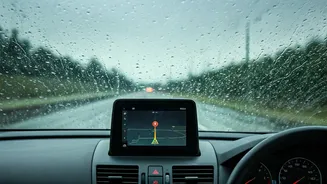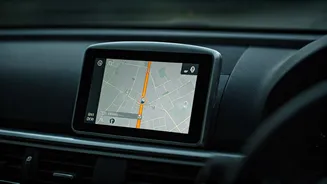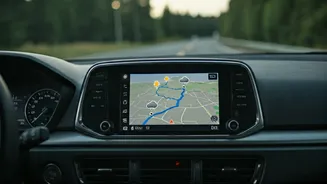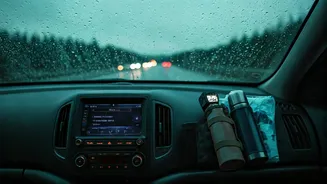





1. Perform a Pre-Trip Car Check
Before you even think about packing snacks, give your vehicle a safety once-over. The most critical components for wet weather are your tires, wipers, and lights. Check your tire pressure and tread depth; worn tires have significantly less grip on wet pavement.
A simple way to check tread is the penny test: place a penny head-down in a groove. If you can see all of Abe Lincoln's head, it’s time for new tires. Next, inspect your windshield wipers for cracks or stiffness and replace them if they leave streaks. Finally, have a friend help you test all your lights—headlights, taillights, and turn signals—to ensure you’re visible to other drivers in low-visibility conditions.
2. Pack an In-Car Safety Kit
You should always have an emergency kit, but it’s especially vital in bad weather. Beyond the standard jumper cables and first-aid supplies, add a few rain-specific items. A high-visibility rain poncho is essential if you have to get out of the car on a busy roadside. Pack a powerful, waterproof flashlight with extra batteries. A few microfiber towels are also incredibly useful for wiping down foggy interiors or drying off after a sprint through the rain. Finally, consider a portable power bank for your phone, as you’ll want to ensure you can call for help if needed, regardless of your car’s battery status.
3. Upgrade Your Navigation Game
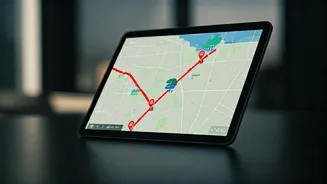
Don’t rely solely on one navigation app. While Google Maps and Waze are great, having a backup can be a lifesaver, especially if you lose cell service. Download offline maps for your entire route region before you leave home. Also, consider apps like Drive Weather, which shows the forecast directly along your driving route, allowing you to see where you might hit the heaviest downpours or even anticipate road flooding. This lets you make informed decisions about timing your stops or even adjusting your route on the fly to avoid the worst of the weather.
4. Master the Art of Wet-Road Driving
The most important part of your survival checklist is how you actually handle the car. Slow down. The speed limit is for ideal conditions, not a torrential downpour. Increase your following distance to at least five or six seconds behind the car in front of you to give yourself more time to react and brake. Avoid cruise control, as it can cause you to hydroplane if your car hits a patch of standing water. If you do start to hydroplane, take your foot off the gas and steer straight until your tires regain traction. Avoid sudden braking or sharp turns.
5. Build a Comfort and Sanity Pack
Safety is paramount, but comfort keeps morale high. Pack a small bag with items to make the journey less of a slog. Include a cozy blanket or two, a travel pillow, and an extra pair of dry socks for everyone—there’s nothing worse than cold, wet feet. Add some non-messy, high-protein snacks and a thermos of a warm drink like tea or hot chocolate. The warmth and comfort can transform the car from a damp metal box into a cozy mobile cocoon, making the sound of rain on the roof feel soothing rather than ominous.
6. Curate an Entertainment Arsenal
Staring at a gray, streaky windshield for hours is a recipe for boredom. Before you leave, download a stockpile of entertainment that doesn’t require a steady internet connection. Create long playlists with upbeat music. Download several hours of podcasts or a complete audiobook. For passengers, consider narrative-driven podcast series that can capture everyone’s attention. For kids (and adults), classic road trip games like “I Spy” or the “License Plate Game” are timeless for a reason. Having a deep well of entertainment options prevents the dreaded “Are we there yet?” from starting two hours into the drive.