




1. Choose the Right Rain Shell
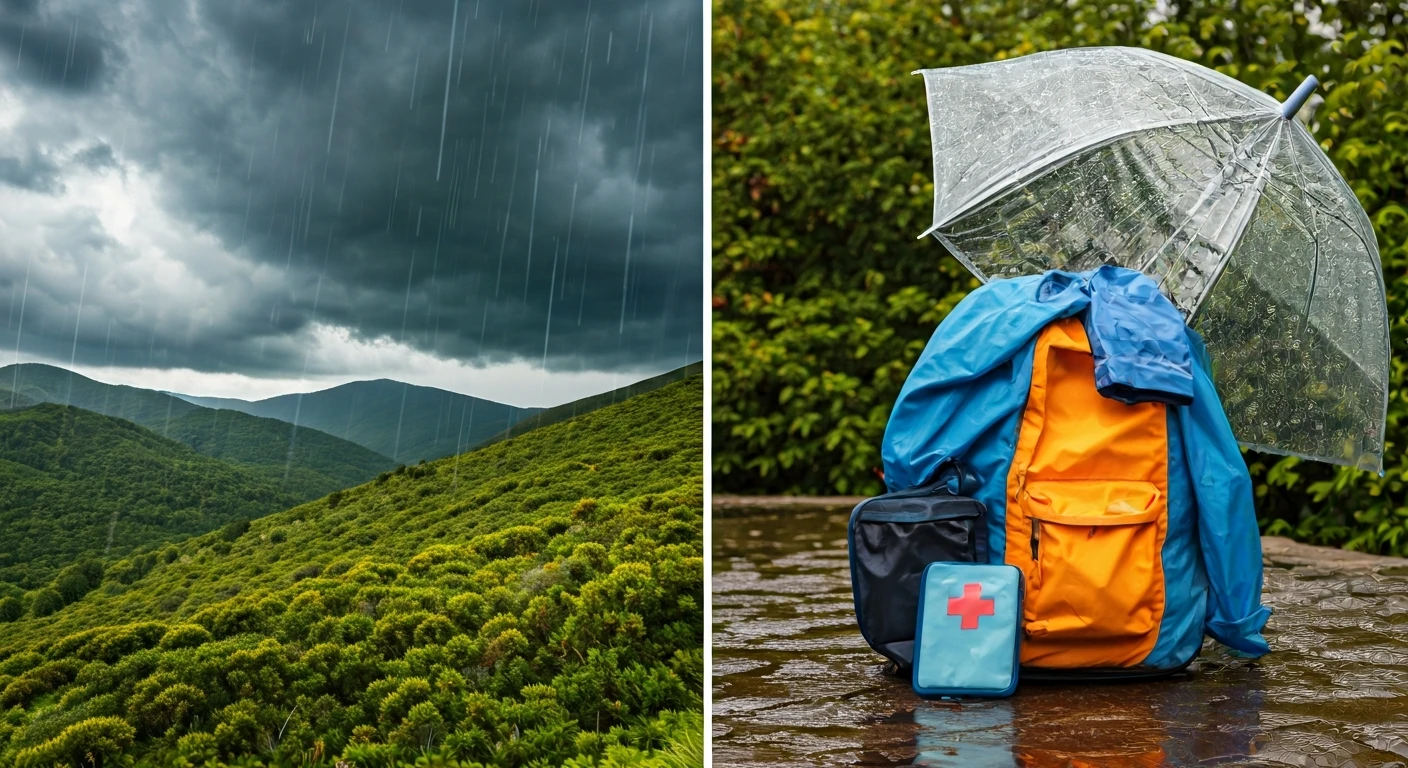
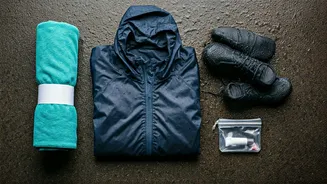
Forget the bulky winter coat or the cheap plastic poncho that turns into a personal sauna. Your best friend in a monsoon is a lightweight, packable, and, most importantly, breathable rain shell. Look for jackets made with materials like Gore-Tex Paclite
or similar proprietary waterproof-breathable fabrics. These technologies block rain from getting in but allow sweat and water vapor to escape, which is critical in high-humidity climates. A good shell should pack down to the size of an apple and weigh next to nothing, making it easy to toss in your daypack. Features to look for include taped seams (to prevent leaks), an adjustable hood, and pit zips for extra ventilation when you’re on the move.
2. Rethink Your Footwear Strategy
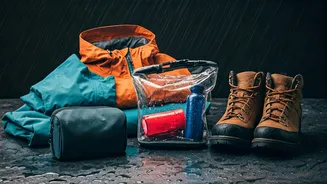
Wet feet are a fast track to misery and blisters. While waterproof hiking boots seem logical, they can be heavy, hot, and take forever to dry once water inevitably gets in over the top. Instead, adopt a two-pronged approach. First, a pair of high-quality, waterproof sandals with good traction (think brands like Keen or Chaco) are perfect for navigating flooded streets or walking in a downpour. They dry quickly and let your feet breathe. Second, for drier moments or travel days, pack a pair of lightweight, quick-drying trail runners or sneakers made from synthetic mesh. They offer more support and protection than sandals but won’t become waterlogged bricks like leather or canvas shoes.
3. Embrace the Quick-Dry Wardrobe
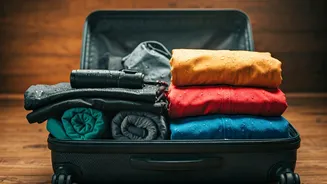
Cotton is your enemy in a humid, rainy climate. Once wet, it stays wet, gets heavy, and can even start to smell mildewy. Build your travel wardrobe around quick-drying synthetic fabrics (like polyester or nylon) or merino wool. Merino wool is a superstar: it wicks moisture, regulates temperature, and is naturally odor-resistant, meaning you can wear it more and wash it less. Pack a few T-shirts or tops, one or two pairs of lightweight pants or shorts, and quick-drying underwear. This philosophy allows you to wash clothes in a hotel sink in the evening and have them be dry (or at least wearable) by morning.
4. Protect Your Gear With a Smart Bag System
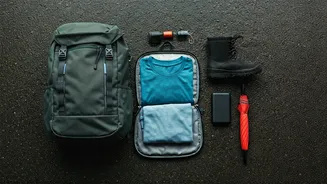
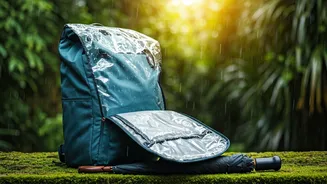
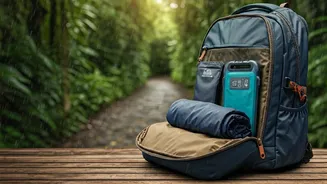
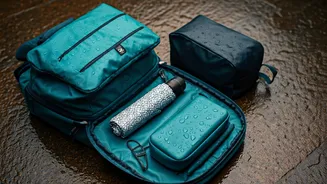
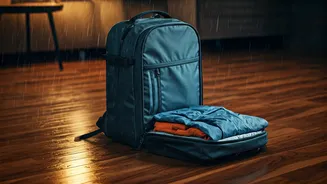
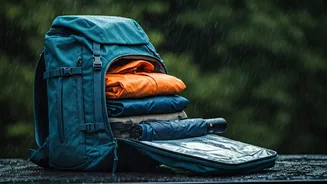
Even a “water-resistant” backpack will eventually succumb to a persistent monsoon downpour. Your survival strategy here is layered defense. Start with a backpack rain cover—an essential, inexpensive item that provides the first line of defense. But don't stop there. Inside your main pack, organize your belongings using waterproof dry bags or even heavy-duty Ziploc bags. Dedicate one for electronics, one for your clean clothes, and one for important documents like your passport. This compartmentalization not only keeps things dry but also makes it easy to find what you need without exposing everything to the damp air.
5. Pack Small Items That Make a Big Difference
A few small, inexpensive items can be lifesavers. A travel-sized, quick-dry towel is far more practical than a bulky cotton one. A portable power bank is crucial, as power outages can be more frequent during severe weather. Pack a small dry bag specifically for your phone and wallet to carry in your pocket or daypack. Finally, consider bringing a few silica gel packets (the kind you find in new shoe boxes) to toss into your electronics bag to help absorb any ambient moisture and prevent damage.
6. Don't Forget Health and Hygiene
High humidity is a breeding ground for bacteria and insects. Pack a reliable insect repellent containing DEET or Picaridin, as mosquito populations can surge after rainfall. A small bottle of hand sanitizer is great for times when clean water isn't readily available. Also, include a small first-aid kit with antiseptic wipes, bandages, and anti-fungal cream for any minor cuts or scrapes, which can get infected more easily in damp conditions. Staying healthy is just as important as staying dry.