

The End of the Beige Era
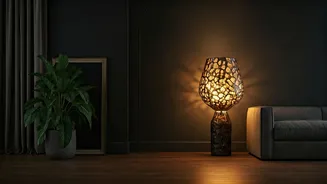
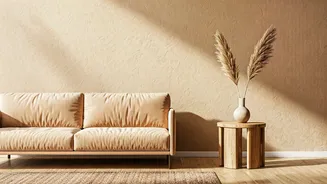
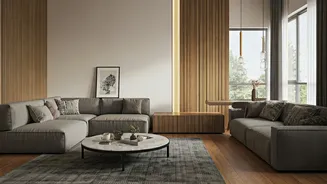
Picture the globally popular interior: pale wood floors, a gray sectional sofa, minimalist metal light fixtures, and perhaps a single, large abstract painting. For a time, this was the aspirational look for many new urban Indian homes and apartments.
Driven by global trends seen on Pinterest and in Western design magazines, the 'factory-perfect' aesthetic promised a clean, uncluttered, and modern life. It was easy to replicate, felt sophisticated, and represented a break from the heavier, more ornate styles of previous generations. But its ubiquity became its downfall. This cookie-cutter approach, while neat, often felt impersonal and sterile. It stripped away regional character and personal history, creating spaces that could be anywhere from Mumbai to Milwaukee. Homeowners began to feel that in striving for a globally accepted idea of 'good taste,' they had erased their own identity from their walls.
The Rise of the 'India Modern' Aesthetic
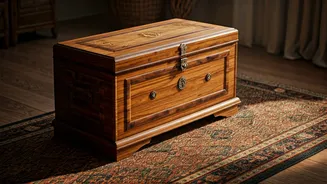
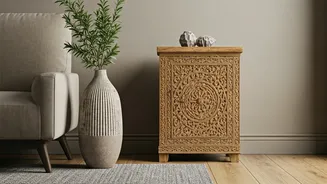
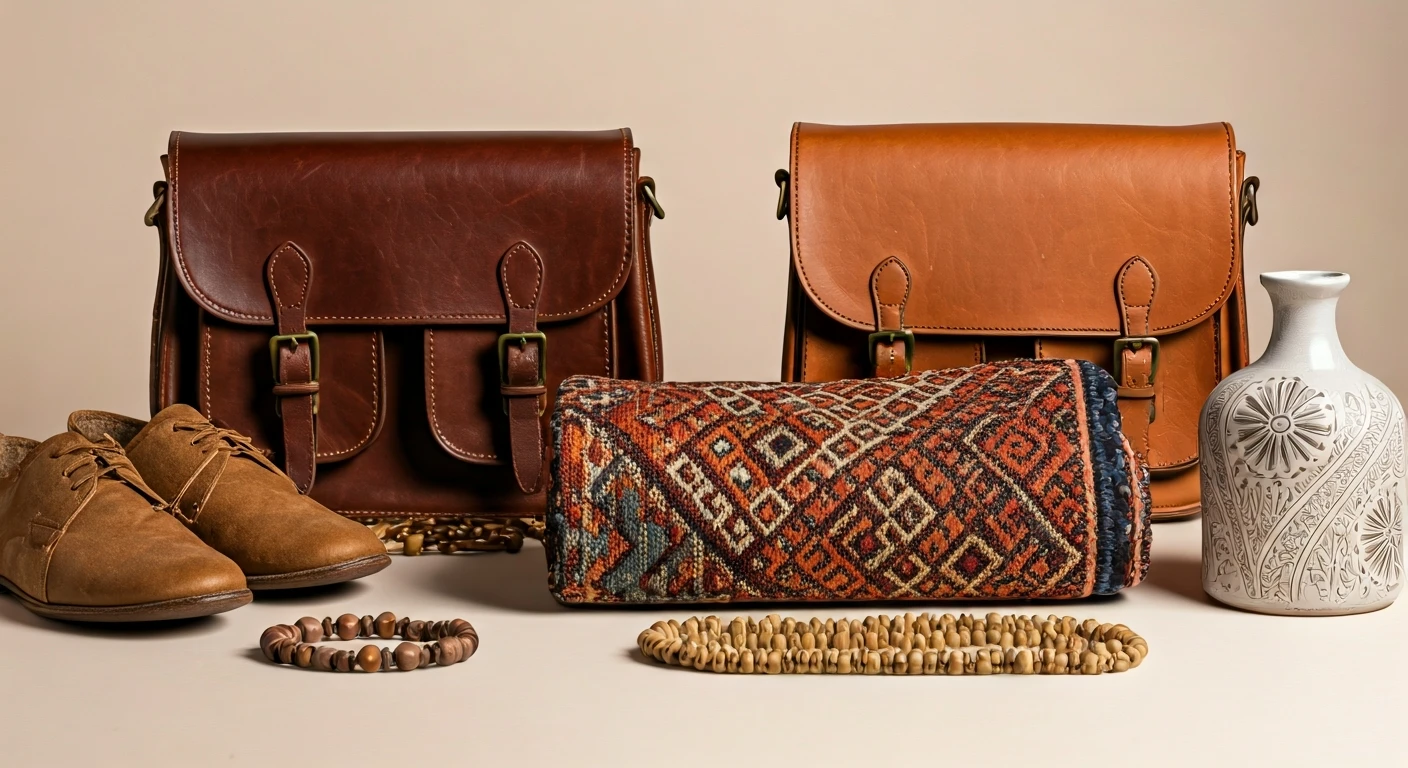
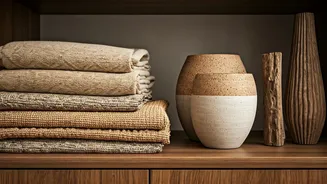
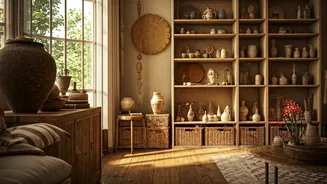
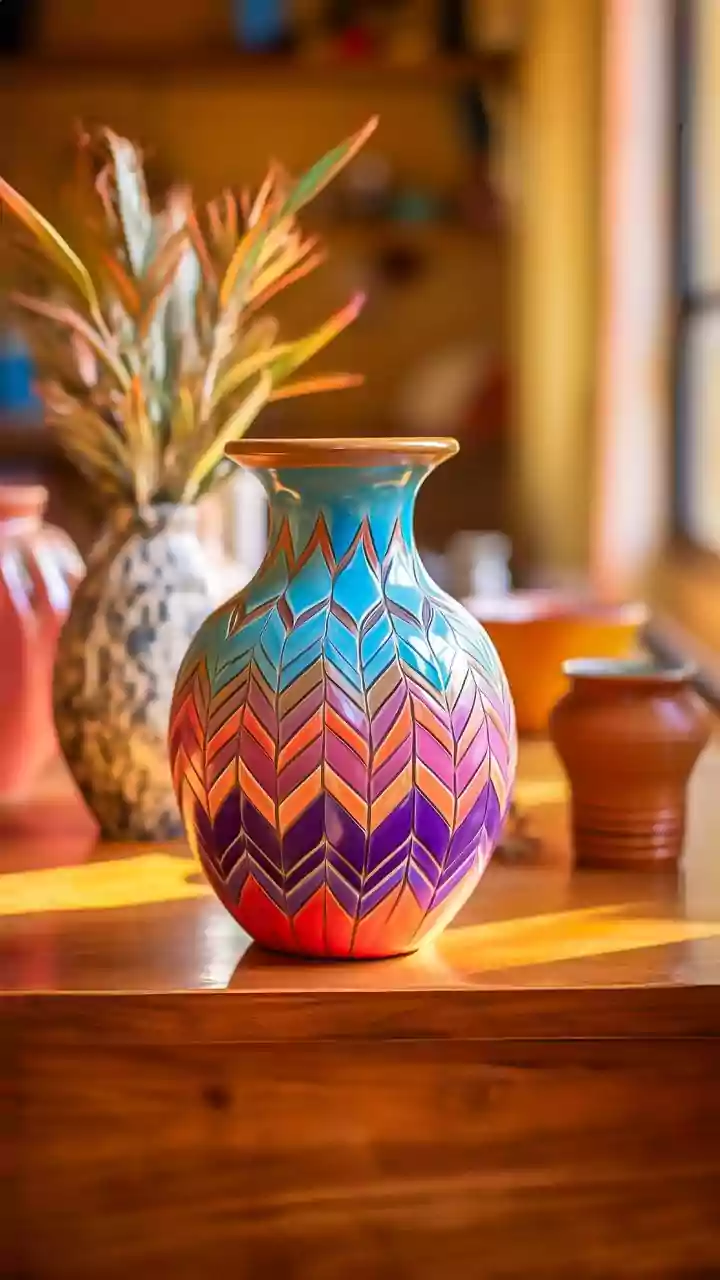
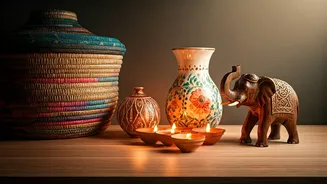
In place of beige conformity, a new design language is flourishing: 'India Modern.' It’s not a single, rigid style but a philosophy that champions personality, layers, and storytelling. This look is a confident blend of the old and the new. Imagine a sleek, contemporary apartment where a brightly painted, antique wooden door has been repurposed as a dining table. Or a modern living room where throw pillows made from vintage silk saris are tossed on a simple linen sofa. Key elements include rich jewel tones, handcrafted textiles like block-printed cottons and ikat weaves, and the warm gleam of traditional brass and bronze decor. Reclaimed materials, particularly wood from old homes or furniture, are celebrated for their patina and history. It’s a maximalism of meaning, not just of stuff. Every object is chosen to tell a story, whether it’s a piece of folk art from a family trip or a cherished heirloom from a grandmother.
A Search for Story and Authenticity
So, what’s driving this shift? It's more than just a fleeting trend. For many younger, globally-connected Indians, it reflects a deeper search for authenticity and a renewed confidence in their own culture. After decades of looking westward for validation, there's a growing desire to connect with and celebrate Indian heritage—on their own terms. This generation doesn't see a conflict between a modern lifestyle and traditional aesthetics. They see an opportunity for a unique fusion. A home filled with inherited pieces and artisanal finds becomes a living museum of a family’s journey. In a world saturated with mass-produced goods, the imperfect, handmade object feels more valuable and real. It’s a conscious move away from disposable consumer culture toward things with soul, history, and a tangible human touch.
The Artisan's Comeback
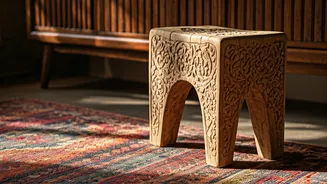
This movement is also creating a vital lifeline for India’s rich ecosystem of traditional artisans. As demand for unique, handcrafted items grows, so does the appreciation for centuries-old skills that were at risk of fading away. Designers and homeowners are now actively seeking out craft clusters across the country—from the wood carvers of Rajasthan to the metalworkers of Bidar and the weavers of Kanchipuram. Small, design-led brands are connecting these artisans directly with the urban market, ensuring fairer wages and preserving their craft for the future. Buying a hand-knotted rug or a piece of intricate Bidri metalwork is no longer just a transaction; it’s an act of cultural patronage. This revival ensures that the stories embedded in Indian homes are not just personal, but part of a larger, living tradition.