

The Resilient Spider Plant
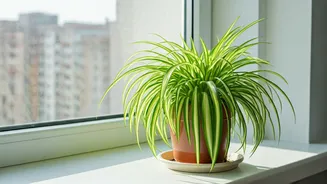
A champion of beginner plant parents, the Spider Plant (Chlorophytum comosum) is a must-have. With its arching, striped leaves and the charming little “spiderettes” that dangle from the mother plant, it adds a touch of playful life to any shelf or hanging
basket. According to the ASPCA, it’s completely non-toxic to both cats and dogs. Even better, it’s incredibly forgiving. Spider Plants tolerate a range of light conditions, from bright, indirect light to lower-light corners of your apartment. They prefer to dry out slightly between waterings, so you don't have to stress about a perfect schedule. Their air-purifying qualities are just an added bonus for a healthy urban home.
The Elegant Parlor Palm
If you want to add a touch of tropical elegance and height, look no further than the Parlor Palm (Chamaedorea elegans). This graceful palm brings a sophisticated, airy feel to a room without demanding much in return. It thrives in the medium to low indirect light common in many apartments, and it can even tolerate fluorescent lighting, making it a great choice for an office nook. It’s completely safe for pets, so you don't have to worry if your cat decides to bat at its feathery fronds. Keep its soil consistently moist but not waterlogged, and it will reward you with slow, steady growth that evokes a sense of calm and refinement.
The Striking Prayer Plant
For a dose of drama and color, the Prayer Plant (Maranta leuconeura) is an unbeatable, pet-safe choice. Its velvety leaves feature stunning patterns of green, cream, and deep red, but its most captivating trait is its movement. The leaves lie flat during the day and fold upward at night, as if in prayer. This plant adds a dynamic, living element to your decor. Prayer Plants prefer bright, indirect light and high humidity, so they’re perfect for a well-lit bathroom or a kitchen spot. If your apartment is dry, occasional misting or a small humidifier will keep it happy. While it requires a bit more attention to humidity, its unique beauty is well worth the effort.
The Lush Boston Fern
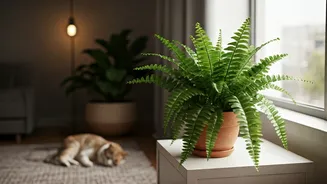
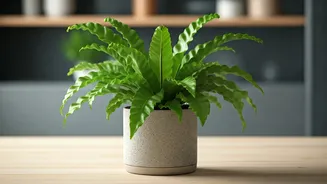
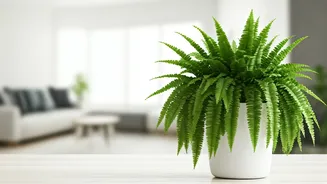
The classic Boston Fern (Nephrolepis exaltata) offers a cascade of lush, green fronds that can soften any corner or create a stunning hanging display. It’s a quintessential houseplant that happens to be completely non-toxic for your four-legged companions. These ferns thrive on bright, indirect light and, most importantly, high humidity. They are an excellent choice for a steamy bathroom or a kitchen where they can soak up moisture from cooking. If you place one elsewhere, be prepared to mist it regularly or group it with other plants to create a more humid microclimate. A happy Boston Fern is a gorgeous, sprawling centerpiece that is entirely safe for a curious pet to investigate.
The Charming African Violet
Don't think you can have flowers with pets around? Think again. The African Violet (Saintpaulia) is a delightful, compact plant that produces beautiful blooms in shades of purple, pink, and white, and it's perfectly safe for cats and dogs. Because of their small size, they are ideal for apartment windowsills or small side tables where they can get the bright, indirect light they crave. They are a bit particular about watering—they prefer to be watered from the bottom and dislike getting their fuzzy leaves wet. But mastering their care is a rewarding experience that provides a pop of color that many other pet-safe plants lack.
The Fortunate Money Tree
The Money Tree (Pachira aquatica) is another fantastic, pet-safe option that brings a different kind of texture and form to your space. Often sold with a distinctive braided trunk, it is believed to bring good luck and prosperity. Whether or not it boosts your finances, it will certainly boost your apartment’s style. Money Trees are non-toxic and relatively easy to care for. They prefer medium to bright indirect light and a deep but infrequent watering schedule—let the soil dry out significantly between waterings. Its large, hand-shaped leaves create a lovely canopy, making it a great floor plant to fill an empty corner without posing any risk to your animal family members.