



Moving Past the Syrup
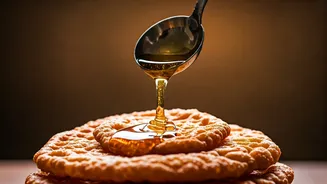
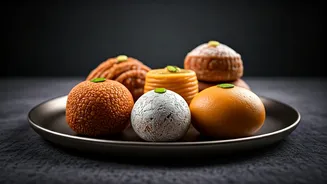
Let’s be honest: for many Americans, the term “Indian dessert” conjures a very specific, and very sweet, image. You’re thinking of golden-brown spheres soaking in syrup (gulab jamun), or perhaps soft cheese patties floating in sweet, creamy milk (rasmalai).
While delicious, these ubiquitous offerings represent a tiny, often sugar-saturated, fraction of the subcontinent's vast dessert landscape. For decades, they have been the default, the familiar and safe ending to a restaurant meal, reinforcing a monolithic view of Indian sweets as one-dimensionally sweet. This narrow exposure created a culinary blind spot. India, a country with dozens of languages and distinct regional cuisines, boasts a staggering diversity of *mithai* (sweets). Many are tied to specific festivals, seasons, and local ingredients, featuring nuanced flavors like cardamom, saffron, rosewater, toasted nuts, and even savory notes. But in the rush to appeal to a broad palate, these subtle and varied traditions were often left behind in favor of their more famous, sugar-forward cousins. That era, however, is coming to a close.
The Heritage Hunters
The driving force behind this comeback isn't a single trend, but a confluence of cultural currents led by a new generation of Indian American chefs, bloggers, and entrepreneurs. Many are second- or third-generation immigrants who are using food as a way to connect with their heritage on their own terms. They are not just replicating their grandmother’s recipes; they are researching, refining, and re-presenting them for a modern audience. Take, for instance, the work of chefs who are de-emphasizing refined sugar to let the primary ingredients shine. Instead of a cloying sweetness, you might find the earthy richness of jaggery (unrefined cane sugar), the natural sweetness of dates and figs, or the delicate perfume of fresh fruit. This approach isn't about “health-ifying” dessert for the sake of it; it's about reclaiming the original, balanced flavor profiles that were often the hallmark of these traditional sweets before the mass production of sugar changed everything.
Rediscovering Regional Gems
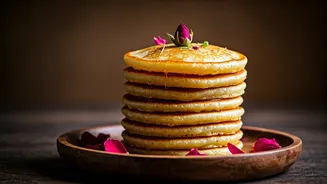
The real excitement lies in the specific desserts being brought back into the spotlight. In place of a generic kheer, you might now find *payasam* made with broken wheat, coconut milk, and jaggery, a specialty from the southern state of Kerala. The dense, multi-layered Goan cake known as *bebinca*, a laborious confection of flour, coconut milk, and egg yolks, is appearing on sophisticated menus, celebrated for its unique texture and rich flavor. Another example is *patishapta*, a delicate Bengali crepe filled with a coconut or khoya (milk solids) mixture, which is a world away from the dense, syrupy desserts many have come to expect. Even familiar items are getting an upgrade. Kulfi, the traditional Indian ice cream, is being reinvented with complex flavors like salted caramel with chai spices, passionfruit, or toasted almond and saffron, moving far beyond the standard pistachio or mango. These desserts tell a story of place and history, offering a delicious education in India's regional diversity.
Why Now? The 'Cool' Factor
So why is this happening now? Part of it is a broader shift in the American food scene toward authenticity and storytelling. Diners are no longer content with generic “ethnic food”; they want to know the story behind the dish, the region it comes from, and the traditions it represents. Social media has played a huge role, too. A stunning, geometrically perfect slice of *bebinca* or a vibrant, jewel-toned fruit *sandesh* is infinitely more Instagrammable than a humble bowl of rice pudding. But more profoundly, this revival is an act of cultural confidence. For years, Indian cuisine in the U.S. was defined by what was believed to be acceptable to the American palate. Chefs are now shedding that insecurity, proudly presenting dishes that are unapologetically specific, complex, and true to their roots. They are betting that diners are ready for the real thing, and it seems they are right.