




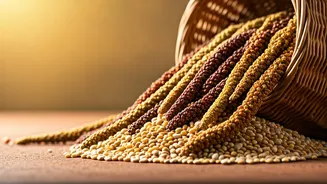

The Mighty Return of Millets
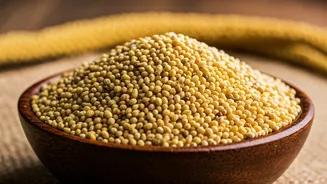
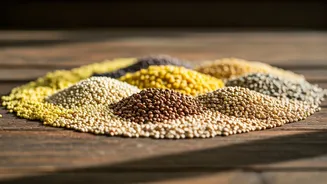
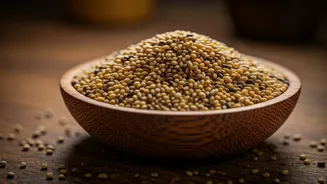
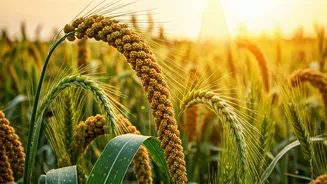
For years, the global conversation around sustainable grains was dominated by quinoa. India, however, has looked inward to its own agricultural heritage and found a powerful solution: millets. These ancient, resilient grains like jowar (sorghum), bajra
(pearl millet), and ragi (finger millet) are now at the center of a national food revolution. Why are they so practical? First, they are exceptionally climate-resilient. They require significantly less water than rice and wheat, thrive in arid conditions, and don't depend on expensive chemical fertilizers. This makes them a smart bet for farmers facing unpredictable weather patterns. For consumers, the government and wellness influencers alike have rebranded these 'coarse grains' as 'nutri-cereals.' They are gluten-free, high in protein and fiber, and have a low glycemic index. Suddenly, millet-based dosa, porridge, and even pasta are appearing on restaurant menus and in urban kitchens, turning a historically humble food into a modern wellness staple.
The Original Plant-Based Powerhouse
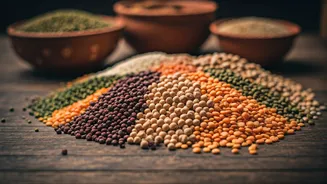
Long before 'plant-based' became a Silicon Valley buzzword, a significant portion of India's population was, and still is, vegetarian. This isn't a new trend but a deep cultural and spiritual foundation that makes a sustainable diet an easier starting point. The country’s cuisine is a masterclass in making vegetables, legumes, and lentils the star of the show. A typical Indian meal, with its combination of lentils (dal), vegetables (sabzi), and whole-grain flatbreads (roti), is a nutritionally complete and low-carbon package. The modern 'practical' shift is seeing this tradition embraced with renewed, conscious pride. Instead of viewing it as a default, more Indians are actively choosing and celebrating their plant-forward heritage as a deliberate environmental and health choice. This existing culinary framework means a sustainable diet isn't a radical departure from the norm but a reinforcement of it.
Hyperlocal Goes High-Tech
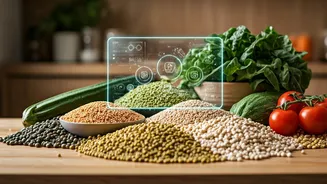
While tradition provides the foundation, technology is making it radically more efficient and accessible. Across India’s bustling cities, a wave of agri-tech startups is bridging the gap between farm and table, cutting out carbon-intensive middlemen. Apps now allow urban consumers to order organic produce directly from farmers in surrounding regions, ensuring freshness, fair prices for growers, and a drastically shortened supply chain. This isn't just a boutique service for the wealthy. These platforms are scaling rapidly, offering subscription boxes and group-buying models that make pesticide-free, locally sourced food competitive with supermarket prices. This digital infrastructure makes conscious consumption convenient. You can know the name of the farmer who grew your tomatoes and have them delivered to your door, a level of transparency and practicality that is key to making sustainability stick.
Challenging the Western Supermarket Model
Perhaps the most significant factor is the structure of India’s food economy. While Western-style supermarkets exist, they haven't completely displaced the decentralized network of neighborhood vendors, daily vegetable markets (mandis), and community-based food systems. For hundreds of millions of people, eating seasonally and locally isn't a lifestyle choice; it's simply how you buy food. Your local vendor stocks what's in season because that's what's available and affordable from nearby farms. This system inherently reduces food miles, minimizes the need for long-term cold storage, and cuts down on plastic packaging. As India modernizes, the challenge is to preserve the sustainable aspects of this informal economy while improving its efficiency and hygiene, rather than replacing it entirely with a less sustainable, centralized model.