






The End of 'No Pain, No Gain'
For decades, the dominant philosophy in American fitness was one of brute force. The 'no pain, no gain' mantra, popularized in the 1980s, suggested that progress was directly proportional to suffering. Being so sore you could barely walk down the stairs
wasn't a sign of overtraining; it was proof of a workout well done. This was the era of celebrating burnout, where 'rest day' was often treated as a four-letter word. But a significant cultural shift is underway. Exercise scientists, professional athletes, and everyday fitness enthusiasts are collectively realizing that relentless intensity is not the key to sustainable health or peak performance. In fact, it’s often the fastest path to injury, plateaus, and quitting altogether. The new wisdom is that the workout is only half the equation; the real magic happens when you stop.
The New Recovery Toolkit
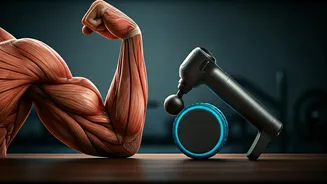
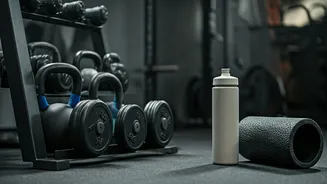
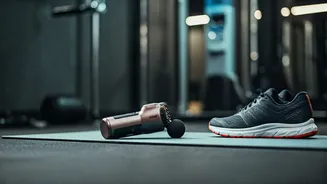
Walk into any modern gym or scroll through a fitness influencer's feed, and you’ll see the evidence. The post-workout routine has evolved far beyond a quick protein shake and a static stretch. A multi-billion dollar 'recovery' industry has sprung up to meet this new demand. Percussive massage guns from brands like Therabody and Hyperice, once the exclusive domain of physical therapists, are now commonplace. Foam rollers, which used to be mysterious foam logs in the corner of the gym, are now essential equipment. But the trend goes further. Contrast therapy—alternating between ice baths and saunas—is no longer just for professional athletes. Boutique studios offer sessions in cryotherapy chambers and infrared saunas. Wearable tech like the Oura Ring and WHOOP strap have gamified sleep and recovery, giving users daily scores that dictate how hard they should train. It’s a complete arsenal dedicated to one thing: helping the body repair and rebuild faster and more effectively.
Why Is This Happening Now?
Several forces converged to bring recovery into the mainstream. First, the 'pro-athlete effect.' For years, we’ve watched superstars like LeBron James invest millions in their bodies, with a huge emphasis on recovery. Social media demystified their routines, showing that their longevity wasn't just about hard work, but smart rest. As the technology they used became more affordable and accessible, the general public wanted in. Second, the broader wellness movement and a post-pandemic focus on self-care have made people more attuned to their bodies' signals. The 'hustle culture' that dominated the 2010s is facing a backlash, and fitness is part of that. People are looking for balance, not burnout. Finally, there's a growing body of accessible science communication that confirms what athletes have known for a while: adaptation, muscle growth, and performance improvements happen during periods of rest, not during the stress of the workout itself.
More Than Just Gadgets
While the high-tech gadgets get most of the attention, the most profound change is in mindset. Taking recovery seriously is about redefining what 'strong' means. It’s no longer about how much you can punish your body, but how well you can listen to it. This new approach prioritizes consistency over intensity, and longevity over short-term gains. It acknowledges that factors outside the gym—sleep quality, nutrition, stress management, and hydration—are just as critical to fitness as the number of reps you lift. In this new paradigm, taking a day off isn't a sign of weakness; it's a strategic move. Tuning your workout intensity to match your body's readiness, as measured by a wearable or just by feel, isn't lazy; it's intelligent training. It’s a shift from a fitness culture of exclusion and intimidation to one of self-awareness and sustainability.