


A River Older Than Memory
Before Rome had an empire or the pharaohs built their pyramids, civilizations thrived along the banks of the Indus. To stand beside it is to feel the immense weight of time. This isn’t just a river; it’s a foundational character in human history. For
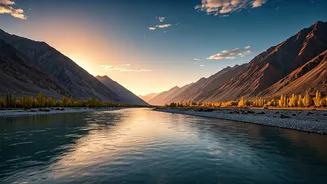
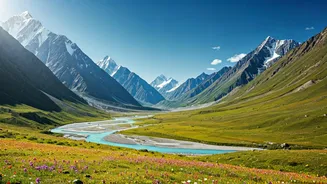
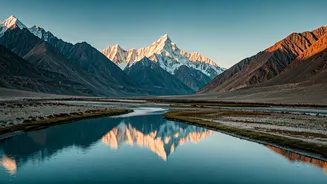
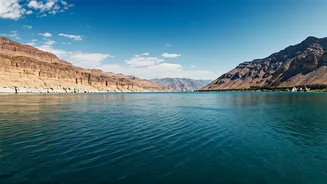
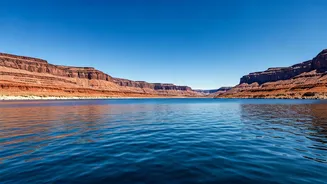
many American travelers, accustomed to a younger national landscape, the sheer antiquity is staggering. The Indus Valley Civilization, one of the world's first great urban cultures, was born here over 4,500 years ago. While its cities of Harappa and Mohenjo-Daro now lie further downstream in modern-day Pakistan, the river’s upper reaches in India’s Ladakh region carry the same elemental power. The water, a shimmering ribbon of turquoise and jade, cuts through a barren, almost lunar landscape, reminding you that where there is water, there has always been life. This primal connection—to history, to survival—is the first emotional anchor the Indus sets in its visitors.
The Landscape of Spirituality
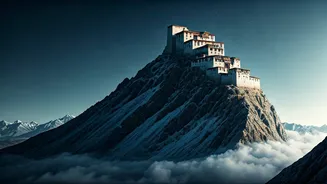
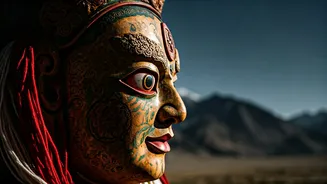
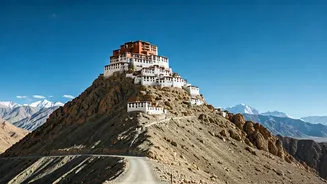
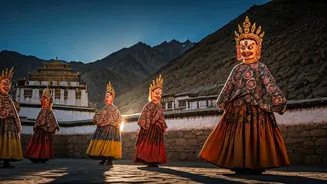
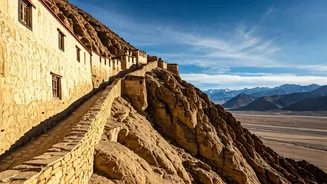
The journey along the Indus in Ladakh is a pilgrimage, whether you intend it to be or not. The air itself feels different—thin, crisp, and imbued with a quiet reverence. Perched on dramatic cliffs overlooking the river’s winding path are ancient Buddhist monasteries like Thiksey, Hemis, and Alchi. Their walls are painted with centuries-old frescoes, and the sound of monks chanting can often be heard echoing across the valleys. Prayer flags flutter violently in the high-altitude wind, carrying their blessings downriver. But the spirituality isn’t confined to Buddhism. The Indus is sacred to Hindus, mentioned in the oldest Vedic texts as the Sindhu. It’s a place where different faiths have coexisted for centuries. For a traveler, this isn’t an abstract history lesson. It’s a tangible feeling you get while watching the sun set behind a mountain stupa, the river flowing below as it has for millennia. It fosters a sense of perspective that’s hard to find anywhere else on Earth.
A Journey Through Stark Beauty
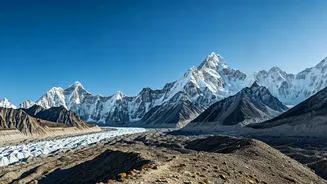
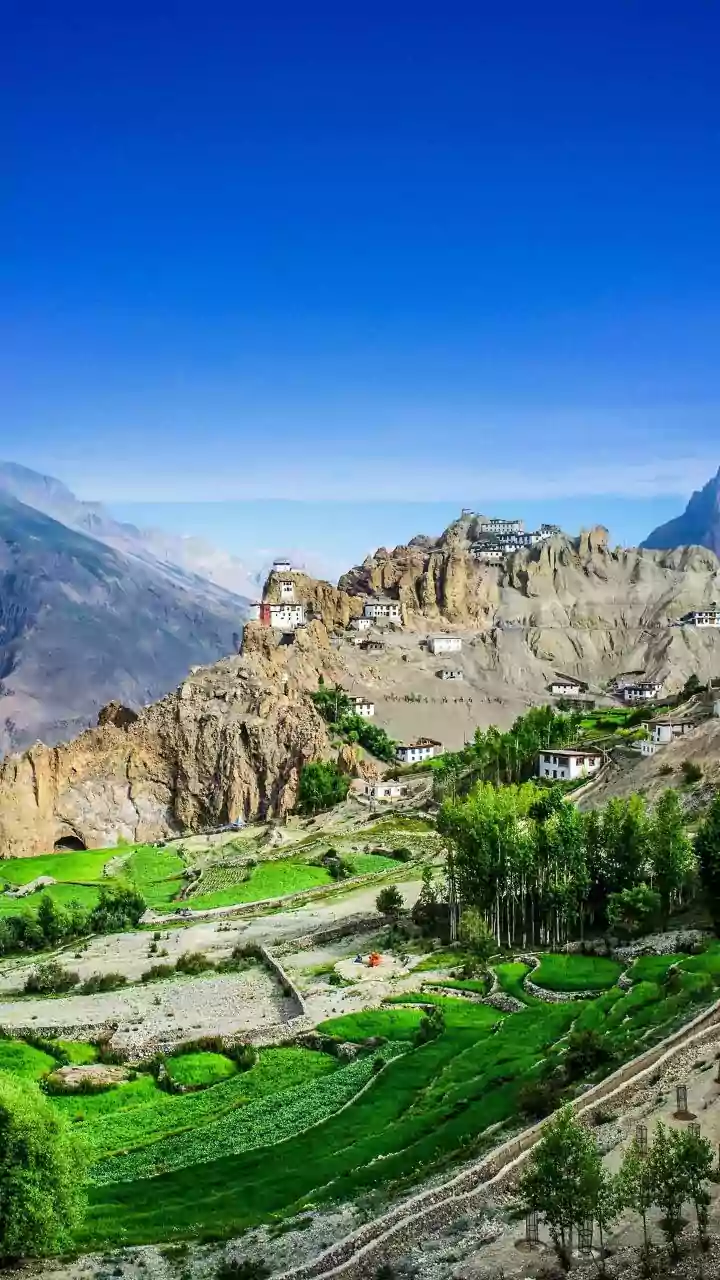
The beauty of the Indus region is not gentle or pastoral. It is stark, dramatic, and powerful. The river carves a path through the rain shadow of the Himalayas, creating a high-altitude desert of sand dunes, jagged peaks, and impossibly blue skies. The scale of the landscape is humbling. Mountains, bare of vegetation, reveal geological layers in shades of purple, brown, and ochre. Poplar and willow groves, electric green, cluster around the river’s edge, a stark contrast to the surrounding aridity. It’s this very harshness that creates such a deep emotional impact. In a world of digital noise and constant stimulation, the Indus landscape is a powerful sensory reset. The silence is profound, broken only by the rush of the water or the cry of a chukar partridge. This forces a traveler to be present, to simply watch and absorb, forging a connection not just with the place, but with themselves.
Connecting with Local Life
Perhaps the most enduring connection travelers make is with the people who call the Indus valley home. The Ladakhi people are known for their warmth, resilience, and gentle hospitality. Their lives are intrinsically tied to the river and the seasons. To share a cup of butter tea in a local home, to watch a farmer tend to a small plot of barley irrigated by glacial meltwater, or to exchange a simple smile and “Julley!” (the traditional Ladakhi greeting) is to understand the human dimension of this powerful river. These interactions strip away the superficialities of tourism. They are moments of genuine human connection that reveal a way of life lived in harmony with a challenging but beautiful environment. It’s in these moments that travelers realize the Indus isn’t just a scenic backdrop; it is the heart of a vibrant, enduring culture.