





More Than Just Vacation Photos
For years, LinkedIn has been the undisputed king of professional networking online. It’s where you list your credentials, connect with colleagues, and hope a recruiter stumbles upon your meticulously detailed work history. But in visual-first industries—graphic
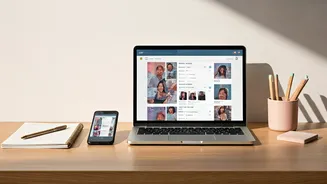
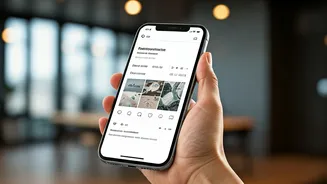
design, photography, fashion, culinary arts, interior design—the static, text-heavy format of a resume or even a LinkedIn profile falls short. It can tell you *that* someone was a 'Visual Designer,' but it can’t show you their aesthetic, their process, or their creative voice. Enter Instagram. Once a simple app for sharing filtered brunch photos, it has evolved into a dynamic, visual-first platform that doubles as a living portfolio. For a freelance illustrator, a baker, or a brand strategist, an Instagram grid is a real-time showcase of their work, consistency, and ability to cultivate an audience. It demonstrates not just what they can do, but how they see the world—a crucial element in any creative role. It’s no longer just a social network; for many, it’s the most direct and compelling proof of their professional talent.
The Recruiter's Point of View
So why is this a 'shortcut' for hiring managers? Because a traditional portfolio is a curated highlight reel. It’s the best-of-the-best, polished to perfection. An Instagram account, on the other hand, offers a more holistic and arguably more authentic view of a candidate. A recruiter can see a creator's consistency over weeks and months. They can gauge how the candidate interacts with their community, responds to feedback in the comments, and understands current visual trends. This 'vibe check' is incredibly efficient. Within minutes of landing on a profile, a hiring manager can assess a candidate’s style, technical skill, and soft skills like communication and community management. They can see if a photographer’s aesthetic matches their brand, or if a social media manager’s tone of voice aligns with their company culture. It’s a low-risk, high-reward way to scout talent that feels current, engaged, and plugged into their respective industries. It cuts through the corporate jargon of a cover letter and gets straight to the evidence: the work itself, presented day after day.
How to Craft Your Visual Resume
If you’re in a creative field, treating your Instagram with professional intention is no longer optional. But it’s not about just posting your work randomly. A successful Instagram portfolio is a curated experience. Start by defining your niche and sticking to it. Your bio should be a clear, concise elevator pitch: who you are, what you do, and how to hire you (a link to your professional website or contact info is non-negotiable). Your grid is your gallery. Plan your posts to create a cohesive and visually appealing aesthetic. Use high-quality images and videos. Your captions are your chance to tell a story—don't just post a picture, explain the process, the client brief, or the creative challenge you solved. Use relevant hashtags strategically, mixing broad industry terms (#GraphicDesign) with niche community tags to maximize discoverability. Finally, engage. Respond to comments, participate in conversations, and build a community around your work. This shows you're not just a creator, but an active participant in your field.
The Unspoken Rules and Risks
While the upsides are clear, relying on Instagram in the hiring process comes with significant risks. The most obvious is the potential for bias. An Instagram profile reveals a person's perceived age, race, gender, lifestyle, and more—information that is legally and ethically off-limits in a traditional hiring process. This can introduce unconscious bias into recruiting, favoring candidates who fit a certain mold. Furthermore, the line between personal and professional becomes dangerously blurred. Does a candidate need to scrub all evidence of their personal life? What if their political or social views are on display? The pressure to maintain a perfectly polished, 'brand-safe' online persona can be exhausting and stifle authenticity, the very thing that makes the platform appealing in the first place. For hiring managers, it requires a disciplined approach—focusing strictly on the professional work displayed and consciously ignoring personal details. For job seekers, it requires careful consideration of what they are willing to share with a potential employer.