


Why Your Workspace Craves Greenery
Before we dive into the specifics, let's talk about why plants in the office are more than just a trend. The concept of biophilia suggests that humans have an innate tendency to seek connections with nature. Bringing elements of the natural world indoors
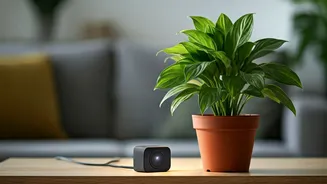
can reduce stress, improve focus, and even spark creativity. While the air-purifying qualities of houseplants, famously studied by NASA, are a nice bonus, their biggest impact in a typical office is psychological. A living, growing element in a static environment provides a subtle, calming counterpoint to screen-time fatigue. It’s a simple, analog upgrade in a relentlessly digital world, giving your eyes a place to rest and your mind a moment of peace.
The Unkillable Icon: The Snake Plant
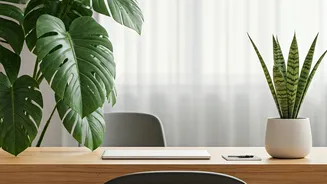
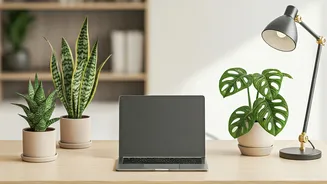
If you've ever killed a plant, start here. The Snake Plant (Sansevieria trifasciata, now Dracaena trifasciata) is the undisputed champion of low-maintenance greenery. Its stiff, upright leaves come in a variety of patterns, from dark green with grey-green cross-banding to yellow-edged variegation. Its vertical growth habit makes it perfect for tight spaces—it can sit on the corner of a desk or a narrow filing cabinet without hogging valuable real estate. Care is laughably simple. The Snake Plant thrives on neglect. It can tolerate the low light of an interior office cubicle just as well as the bright, indirect light near a window. Its biggest enemy is overwatering. Allow the soil to dry out completely between waterings; for most office environments, this means a thorough drink just once a month, or even less in winter. It’s more likely to perish from too much love than too little. Essentially, forget it exists for a few weeks at a time, and it will reward you with stoic, architectural beauty.
The Statement Maker: The Monstera
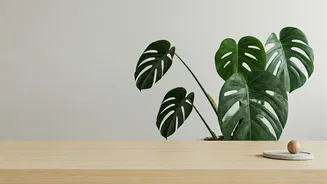
For a bit more drama, enter the Monstera deliciosa. Known for its iconic, fenestrated (naturally splitting) leaves, the Monstera brings a lush, tropical vibe that can make any workspace feel like a mini-retreat. While it requires slightly more attention than a Snake Plant, it’s still remarkably forgiving and an excellent choice for a beginner looking for a statement piece. A Monstera prefers bright, indirect light. Placing it near a window but out of the direct sun's path is ideal. Direct sun can scorch its leaves, while too little light may result in smaller leaves with fewer splits. Water it when the top two inches of soil feel dry, typically every 1-2 weeks. Unlike the Snake Plant, it will let you know it's thirsty with slightly droopy leaves. As it grows, it may need a moss pole or small trellis for support. Don't be intimidated by its potential size; you can easily keep it in check with occasional pruning, which also encourages bushier growth.
Styling Your Green Coworkers
Pairing the vertical, sleek Snake Plant with the broad, sprawling Monstera creates a dynamic visual contrast. Think of them as a design duo. Place the tall Snake Plant in a stylish ceramic pot on a bookshelf or floor corner to draw the eye upward. Let the Monstera occupy a brighter spot where its magnificent leaves have room to unfurl without being in your direct line of sight or workflow. Don’t underestimate the power of the pot. A simple terra cotta pot offers a classic, breathable home, while a colorful or textured ceramic planter can turn your plant into a piece of decor that reflects your personal style. Group them with a smaller succulent or a trailing pothos to create a small plant cluster, maximizing the green effect without cluttering your primary workspace. The goal is to create a pocket of calm, a designated green zone that serves as a visual anchor and a source of quiet satisfaction throughout your workday.