


From 'Bucket List' to 'Better' List
For decades, the mark of a successful trip was the number of stamps in your passport or photos in your album. The seven-day, five-country European blitz was a rite of passage. Today, a significant shift is underway, driven by travelers who are redefining
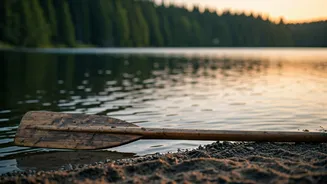
what makes a vacation worthwhile. Enter the 'softer' or 'slow' itinerary. This approach isn't about laziness; it's about intention. Instead of seeing a destination through a tour bus window, it's about immersing yourself in one place. It means spending a week in a single Tuscan village instead of racing between Rome, Florence, and Venice. It’s choosing to rent a cabin by a lake for five days rather than resort-hopping. The focus moves from quantity of sights to quality of experience, swapping the stress of constant transit for the richness of lingering.
The Sustainable Driving Force
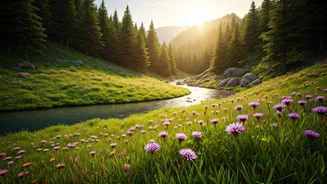
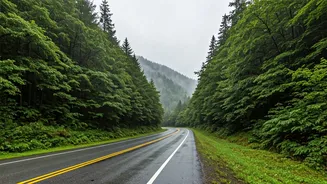
This move toward softer itineraries is deeply intertwined with growing environmental awareness. The 'green views' mentioned in the headline aren't just about pretty landscapes; they represent a conscious choice to travel more sustainably. A frantic, multi-city tour racks up a significant carbon footprint from flights, trains, and cars. By contrast, staying in one location for a longer period drastically reduces travel-related emissions. This model, often called 'slow travel,' inherently supports a more sustainable ecosystem. Travelers are more likely to shop at local markets, eat at family-owned restaurants, and contribute directly to the community's economy rather than just multinational hotel chains and tour operators. They are seeking out eco-lodges, regenerative farms, and accommodations that actively work to preserve their natural surroundings, making the destination’s health a key part of the vacation itself.
A Post-Pandemic Reassessment
The global pause of the pandemic acted as a powerful catalyst for this trend. Forced to stay put, many people re-evaluated their priorities, questioning the constant hustle that defined their pre-2020 lives. That introspection has extended to how we vacation. The desire for restorative, meaningful experiences has eclipsed the pressure to perform 'vacationing' for social media. There’s a newfound appreciation for connection—to nature, to a new culture, and to our own travel companions. This mindset rejects the idea of needing a vacation from your vacation. Instead, the holiday itself becomes a source of genuine rest and rejuvenation. Travel experts note a clear rise in bookings for longer stays in single destinations and a decline in complicated, multi-stop trips, reflecting a collective desire to slow down and savor the moment.
What a 'Softer' Trip Looks Like
In practice, these itineraries are flexible and unhurried. Imagine a week in Costa Rica based at one eco-lodge. Instead of a rigid schedule, your days are open: a morning spent hiking to a waterfall, an afternoon reading in a hammock, and an evening learning to cook a local dish with ingredients from the on-site garden. Or consider a trip to the American Southwest. Rather than driving through four national parks in four days, a softer itinerary might involve renting a small house near Zion National Park for a week, allowing for deep exploration of its slot canyons on one day and a visit to a nearby small town’s art galleries on another. The itinerary is a loose framework, not a checklist. It’s about building a temporary life in a new place, discovering its hidden rhythms, and leaving with a deeper understanding than a highlights tour could ever provide.