







From UN Resolution to Global Hashtag
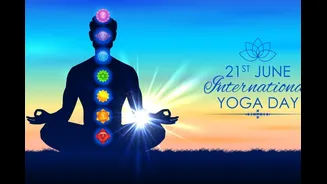
Before it was an Instagram staple, International Yoga Day was a diplomatic initiative. Proposed by Indian Prime Minister Narendra Modi to the UN General Assembly in 2014, the idea was to recognize yoga's 'holistic approach to health and well-being.' The
resolution was co-sponsored by a record 177 member states and passed unanimously, establishing June 21—the summer solstice in the Northern Hemisphere—as the official day. The goal was to raise global awareness of the benefits of practicing yoga. While its origins are rooted in public health and cultural diplomacy, its journey from a formal UN observance to a trending hashtag was fueled by a completely different force: the visual, aspirational nature of social media.
The Perfect Storm for Social Media
Yoga Day was practically designed for the Instagram era. It combines several key ingredients for viral success. First, it's highly visual. A well-executed yoga pose against a scenic backdrop—a beach, a mountain top, or even a minimalist living room—is prime content. It tells a story of strength, flexibility, and tranquility. Second, it's aspirational. The practice is tied to popular modern values of self-care, mindfulness, and physical fitness. Posting about it signals a commitment to personal growth. Finally, it has a low barrier to entry for participation. You don't need to be an expert yogi to join in; a simple child's pose or a picture of a yoga mat is enough to use the hashtag and feel part of a global movement. This blend of aesthetics, personal branding, and inclusivity creates a powerful engine for social media engagement year after year.
Everyone's a Yogi (for a Day)
The online celebration is a fascinating cross-section of internet culture. You have the dedicated practitioners and teachers, who use the day to share their passion and expertise. Then there are the casual participants, trying a pose for fun or to mark the occasion. But the real volume comes from other players. Brands—from activewear companies and wellness apps to seemingly unrelated businesses like banks and car manufacturers—flood feeds with branded #YogaDay content, eager to align themselves with positive and healthy messaging. Celebrities and influencers post perfectly lit shots, reinforcing their personal brands. Even politicians and government agencies get in on the act, staging large-scale public yoga sessions that double as powerful photo-ops, bringing the event full circle back to its diplomatic roots.
Wellness, Commercials, and Criticism
Of course, this explosion in popularity isn't without its critics. For many, the social media version of Yoga Day feels less like a celebration of an ancient spiritual practice and more like a performative, commercialized spectacle. The focus on hyper-flexible, athletic bodies in expensive gear can feel intimidating and exclusionary, ironically undermining the practice’s tenet of universal accessibility. Critics also point to the risk of cultural appropriation, where the deep spiritual and philosophical roots of yoga are stripped away in favor of a purely physical, aesthetic-driven workout. The day becomes a marketing opportunity, with the #YogaDay hashtag functioning as a temporary billboard for consumer culture. It raises an ongoing question: does the massive visibility on social media genuinely promote well-being, or does it simply turn an ancient tradition into another fleeting, picture-perfect trend?